..". an excellent collection... " Journal of Language & Social Psychology
An important collection of original essays by well-known scholars debating the questions of logical versus psychologically-based interpretations of language.
"
..". an excellent collection... " Journal of Language & Social Psychology
An important collection of original essays by well-known scholars d...
"Eco's essays read like letters from a friend, trying to share something he loves with someone he likes.... Read this brilliant, enjoyable, and possibly revolutionary book." --George J. Leonard, San Francisco Review of Books
..". a wealth of insight and instruction." --J. O. Tate, National Review
"If anyone can make semiotics] clear, it's Professor Eco.... Professor Eco's theme deserves respect; language should be used to communicate more easily without literary border guards." --The New York Times
"The limits of interpretation mark the limits of our world. Umberto Eco's...
"Eco's essays read like letters from a friend, trying to share something he loves with someone he likes.... Read this brilliant, enjoyable, and pos...
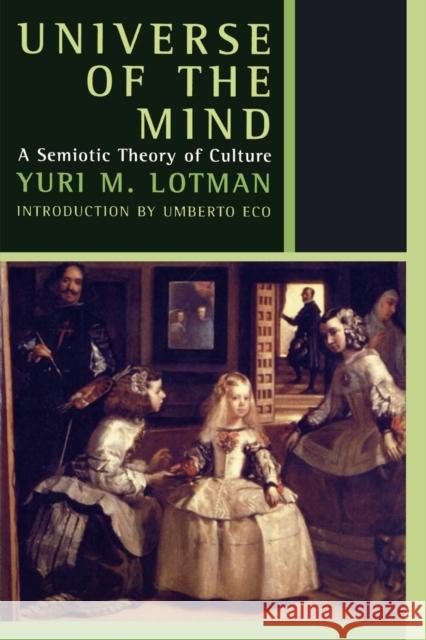
Universe of the Mind A Semiotic Theory of Culture Yuri M. Lotman Introduction by Umberto Eco Translated by Ann Shukman
A major book by one of the initiators of cultural studies.
"Universe of the Mind is an ambitious, complex, and wide-ranging book that semioticians, textual critics, and those interested in cultural studies will find stimulating and immensely suggestive." Journal of Communication
"Soviet semiotics offers a distinctive, richly productive approach to literary and cultural studies and Universe of the Mind represents a summation of the...
Universe of the Mind A Semiotic Theory of Culture Yuri M. Lotman Introduction by Umberto Eco Translated by Ann Shukman
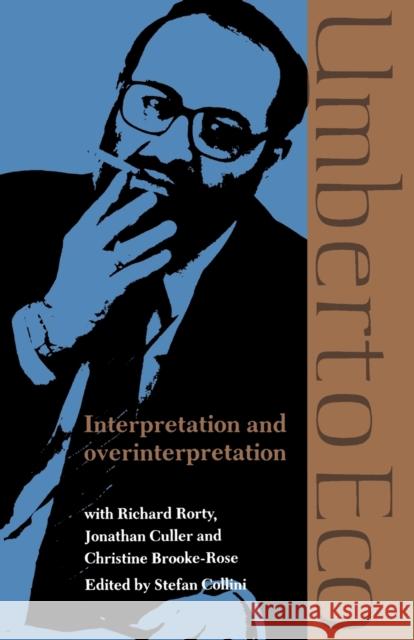
The limits of interpretation--what a text can actually be said to mean--are of double interest to a semiotician whose own novels' intriguing complexity has provoked his readers into intense speculation as to their meaning. Eco's illuminating and frequently hilarious discussion ranges from Dante to The Name of the Rose, Foucault's Pendulum, to Chomsky and Derrida, and bears all the hallmarks of his inimitable personal style. Three of the world's leading figures in philosophy, literary theory and criticism take up the challenge of entering into debate with Eco on the question of interpretation....
The limits of interpretation--what a text can actually be said to mean--are of double interest to a semiotician whose own novels' intriguing complexit...
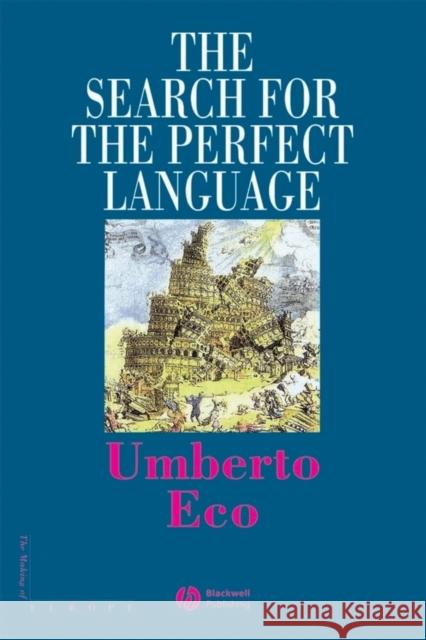
The idea that there once existed a language which perfectly and unambiguously expressed the essence of all possible things and concepts has occupied the minds of philosophers, theologians, mystics and others for at least two millennia.
The idea that there once existed a language which perfectly and unambiguously expressed the essence of all possible things and concepts has occupied t...
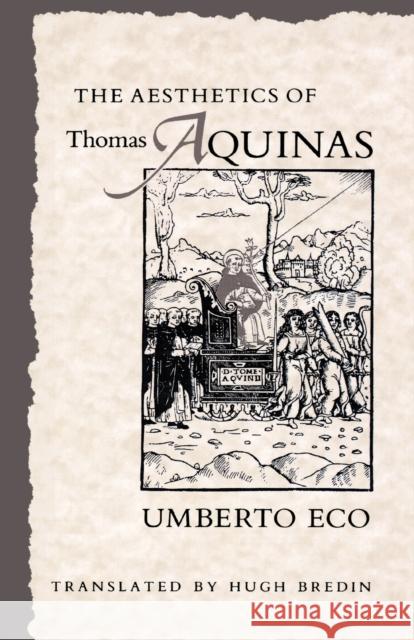
The well-known Italian semiotician and novelist Umberto Eco discloses for the first time to English-speaking readers the unsuspected richness, breadth, complexity, and originality of the aesthetic theories advanced by the influential medieval thinker Thomas Aquinas, heretofore known principally as a scholastic theologian. Inheriting his basic ideas and conceptions of art and beauty from the classical world, Aquinas transformed or modified these ideas in the light of Christian theology and of developments in metaphysics and optics during the thirteenth century.
Setting the stage with...
The well-known Italian semiotician and novelist Umberto Eco discloses for the first time to English-speaking readers the unsuspected richness, brea...
The idea that there once existed a language which perfectly and unambiguously expressed the essence of all possible things and concepts has occupied the minds of philosophers, theologians, mystics and others for at least two millennia.
The idea that there once existed a language which perfectly and unambiguously expressed the essence of all possible things and concepts has occupied t...
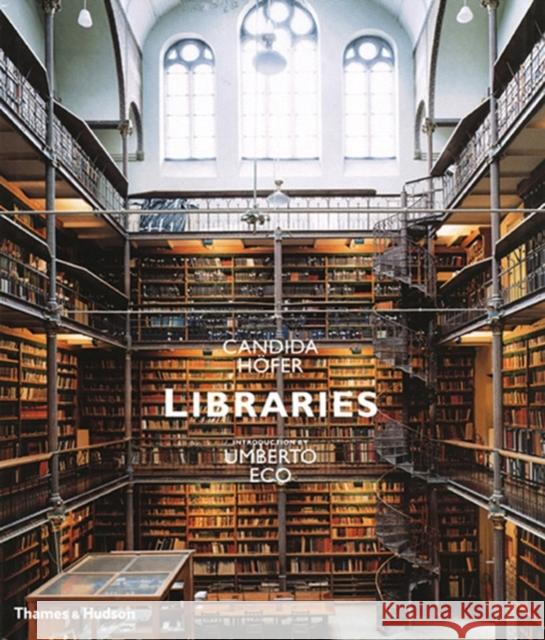
Contains Candida Hofer's famously ascetic images of the Escorial in Spain, the Whitney Museum and the Pierpont Morgan Library in New York, Villa Medici in Rome and the Hamburg University Library, among others. Umberto Eco contributes an essay on libraries.
Contains Candida Hofer's famously ascetic images of the Escorial in Spain, the Whitney Museum and the Pierpont Morgan Library in New York, Villa Medic...
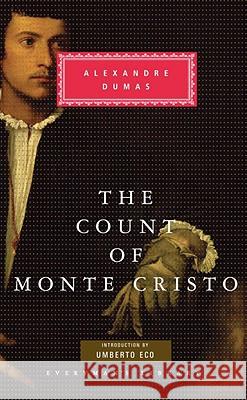
This beloved novel tells the story of Edmond Dantes, wrongfully imprisoned for life in the supposedly impregnable sea fortress, the Chateau d'If. After a daring escape, and after unearthing a hidden treasure revealed to him by a fellow prisoner, he devotes the rest of his life to tracking down and punishing the enemies who wronged him.
Though a brilliant storyteller, Dumas was given to repetitions and redundancies; this slightly streamlined version of the original 1846 English translation speeds the narrative flow while retaining most of the rich pictorial descriptions and all...
This beloved novel tells the story of Edmond Dantes, wrongfully imprisoned for life in the supposedly impregnable sea fortress, the Chateau d'If. A...