The U.S. Fish and Wildlife Service (Service) has developed this Draft Comprehensive Conservation Plan and Environmental Assessment (Draft CCP/EA) for Logan Cave National Wildlife Refuge (NWR) to guide management actions and direction for the refuge. Fish and wildlife conservation will receive first priority in refuge management; wildlife-dependent recreation will be allowed and encouraged as long as it is compatible with, and does not detract from, the mission of the refuge or the purposes for which it was established.
The U.S. Fish and Wildlife Service (Service) has developed this Draft Comprehensive Conservation Plan and Environmental Assessment (Draft CCP/EA) for ...
This is a summary of the draft comprehensive conservation plan and environmental assessment for the U.S. Fish and Wildlife Service's Lee Metcalf National Wildlife Refuge. The National Wildlife Refuge System Improvement Act of 1997 requires the U.S. Fish and Wildlife Service to develop a comprehensive conservation plan by 2012 for each national wildlife refuge.
This is a summary of the draft comprehensive conservation plan and environmental assessment for the U.S. Fish and Wildlife Service's Lee Metcalf Natio...
The Bureau of Reclamation and the U.S. Fish and Wildlife Service have overlapping jurisdictions on segments of the lower Colorado River associated with the Service's four nation wildlife service. Since the BR's authorized activities on the lower Colorado River interact with the refuges, the BR is a full cooperator with the Service in the planning and implementation of this comprehensive management plan.
The Bureau of Reclamation and the U.S. Fish and Wildlife Service have overlapping jurisdictions on segments of the lower Colorado River associated wit...
The U.S. Fish and Wildlife Service has developed this Comprehensive Conservation Plan for Logan Cave National Wildlife Refuge to guide management actions and direction for the refuge. Fish and Wildlife conservation will receive first priority in refuge management; wildlife-dependent recreation will be allowed and encouraged as long as its compatible with, and does not detract from, the mission of the refuge or the purposes for which it was established.
The U.S. Fish and Wildlife Service has developed this Comprehensive Conservation Plan for Logan Cave National Wildlife Refuge to guide management acti...
In the midst of 2.5 million people, down the road from the largest shopping mall in the nation, Minnesota Valley National Wildlife Refuge is a small vestige of Minnesota wildness. Bald Eagles nest here, Woodcock preen, and Black-crowned Night Herons stand poised on the edge of ponds, still as statues, waiting for the glint of an unlucky fish. Waterfowl nest here, and Tundra Swans rest up from a long migration. River otters play, beavers build their meticulous and highly effective dams, and foxes den within a few miles of the Twin Cities of Minneapolis and St. Paul, Minnesota.
In the midst of 2.5 million people, down the road from the largest shopping mall in the nation, Minnesota Valley National Wildlife Refuge is a small v...
The Comprehensive Conservation Plan (CCP) for Muleshoe National Wildlife Refuge (NWR) and Grulla NWR will serve as a management tool to be used by the refuge staff and its partners in the preservation and restoration of the ecosystem's natural resources. In that regard, the plan will guide management decisions over the next 15 years and set forth strategies for achieving refuge goals and objectives within that time frame. The results of the planning process are represented within this document. Management actions identified within this document reflect a need to achieve a number of refuge...
The Comprehensive Conservation Plan (CCP) for Muleshoe National Wildlife Refuge (NWR) and Grulla NWR will serve as a management tool to be used by the...
The U.S. Fish and Wildlife Service has developed this Comprehensive Conservation Plan (CCP) to provide a foundation for the management and use of the North Mississippi National Wildlife Refuges Complex (Complex), headquartered in Grenada, Mississippi. The North Mississippi National Wildlife Refuges Complex is comprised of Coldwater River, Dahomey, and Tallahatchie National Wildlife Refuges and the Farm Service Agency tracts of land in the area. The Complex provides habitat for large concentrations of wintering waterfowl and numerous species of neotropical migratory birds. This comprehensive...
The U.S. Fish and Wildlife Service has developed this Comprehensive Conservation Plan (CCP) to provide a foundation for the management and use of the ...
The Fish and Wildlife Service prepared this Comprehensive Conservation Plan to guide the management of Pea Island National Wildlife Refuge in Dare County, North Carolina. The plan outlines programs and corresponding resource needs for the next 15 years, as mandated by the National Wildlife Refuge System Improvement Act of 1997.
The Fish and Wildlife Service prepared this Comprehensive Conservation Plan to guide the management of Pea Island National Wildlife Refuge in Dare Cou...
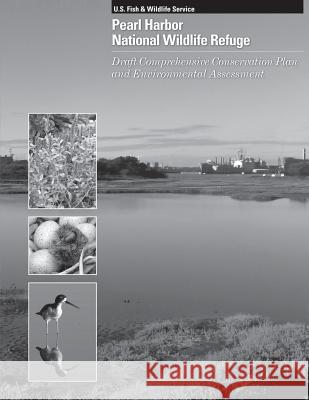
Pearl Harbor was once an extensive, shallow embayment called Wai Momi (water of pearl) in the region of Pu'uloa (long hill) by the Hawaiians. The first people to arrive on the island of O'ahu (around 100 to 300 BCE) would have seen verdant lands around the bay watered by streams running down from the Ko'olau Mountains, bordered by the arid 'Ewa Plain with its abundance of flightless land birds. Polynesian settlement, British arrival, sugarcane plantations, and U.S. military development have drastically changed the landscape and decimated the native bird population. Currently an active...
Pearl Harbor was once an extensive, shallow embayment called Wai Momi (water of pearl) in the region of Pu'uloa (long hill) by the Hawaiians. The firs...
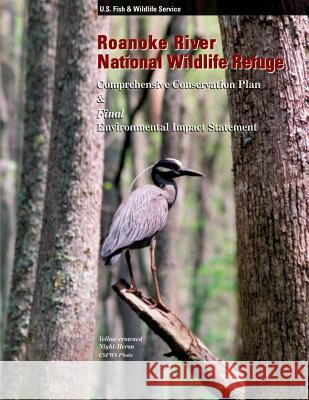
The U.S. Fish and Wildlife Service has prepared this Comprehensive Conservation Plan and Final Environmental Impact Statement to guide the management of Roanoke River National Wildlife Refuge in Bertie County, North Carolina. The plan outlines programs and corresponding resource needs for the next 15 years, as mandated by the National Wildlife Refuge Improvement Act of 1997.
The U.S. Fish and Wildlife Service has prepared this Comprehensive Conservation Plan and Final Environmental Impact Statement to guide the management ...