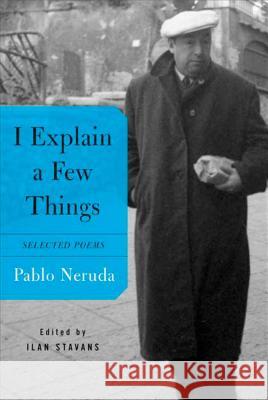
"Laughter is the language of the soul," Pablo Neruda said. Among the most lasting voices of the most tumultuous (in his own words, "the saddest") century, a witness and a chronicler of its most decisive events, he is the author of more than thirty-five books of poetry and one of Latin America's most revered writers, the emblem of the engaged poet, an artist whose heart, always with the people, is literally consumed by passion. His work, oscillating from epic meditations on politics and history to intimate reflections on animals, food, and everyday objects, is filled with humor and...
"Laughter is the language of the soul," Pablo Neruda said. Among the most lasting voices of the most tumultuous (in his own words, "the saddest") c...
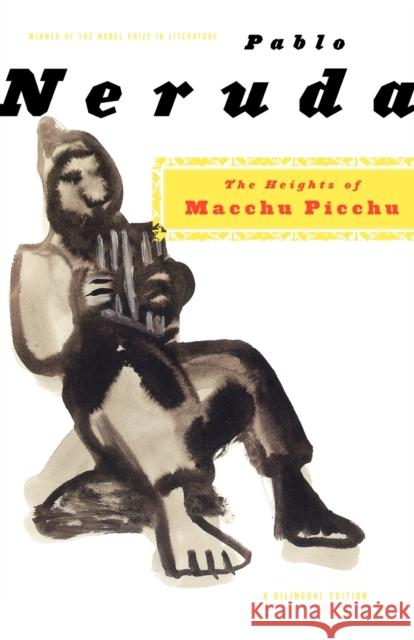
The Heights of Macchu Picchu is the finest and most famous of Neruda's longer poems and provides the key to his earlier work. It was inspired by his journey to Macchu Picchu, the Peruvian Inca city high in the Andes. Neruda's journey takes on all the symbolic qualities of a personal "venture into the interior" as the poem progresses, exploring both the roots of the poet's identity and the history of Latin America. This translation has been rendered by the distinquished poet Nathaniel Tarn and is presented in a bilingual edition, with the Spanish and English texts on facing...
The Heights of Macchu Picchu is the finest and most famous of Neruda's longer poems and provides the key to his earlier work. It was inspire...
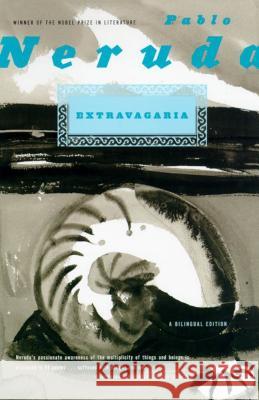
Extravagaria marks an important stage in Neruda's progress as a poet. The book was written just after he had returned to Chile after many wanderings and moved to his beloved Isla Negra on the Pacific coast. These sixty-eight poems thus denote a resting point, a rediscovery of sea and land, and an "autumnal period" (as the poet himself called it). In this book, Neruda developed a lyric poetry decidedly more personal than his earlier work.
Extravagaria marks an important stage in Neruda's progress as a poet. The book was written just after he had returned to Chile after many wa...
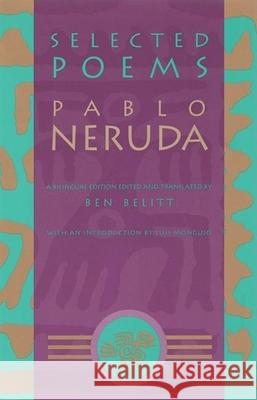
An important collection that includes some of the Nobel Prize winner's own favorite poems.
"The Sea" A single entity, but no blood. A single caress, death or a rose. The sea comes in and puts our lives together and attacks alone and spreads itself and sing sin nights and days and men and living creatures. Its essence-fire and cold; movement, movement.
Pablo Neruda himself regarded Fully Empowered -- which first appeared in Spanish in 1962 under the title Plenos Poderes -- as a particular favorite, in part...
An important collection that includes some of the Nobel Prize winner's own favorite poems.
Pablo Neruda is known first as a poet, but the prose pieces in this collection reflect the enormous hunger he demonstrated throughout his career for new modes of expression, new adventures, new challenges. Passions and Impressions is both a sequel to and an enlargement of Neruda's Memoirs, recording a lifetime of travel, of friendships and enmities, of exile and homecoming, of loss and discovery, and of history both public and personal. Above all, it is a testament to Neruda's love for Chile-for its citizens, its flora and fauna, its national identity. His abiding devotion pervades these...
Pablo Neruda is known first as a poet, but the prose pieces in this collection reflect the enormous hunger he demonstrated throughout his career fo...
The classic and deeply moving memoir by Pablo Neruda, the most widely read political poet of our time and winner of the Nobel Prize
The south of Chile was a frontier wilderness when Pablo Neruda was born in 1904. In these memoirs he retraces his bohemian student years in Santiago; his sojourns as Chilean consul in Burma, Ceylon, and Java, in Spain during the civil war, and in Mexico; and his service as a Chilean senator. Neruda, a Communist, was driven from his senate seat in 1948, and a warrant was issued for his arrest. After a year in hiding, he escaped on horseback over...
The classic and deeply moving memoir by Pablo Neruda, the most widely read political poet of our time and winner of the Nobel Prize
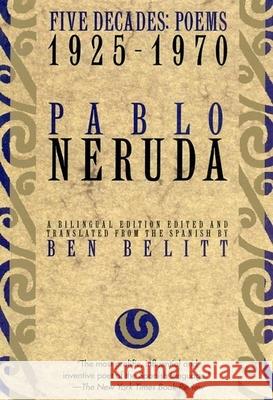
The winner of the 1971 Nobel Prize for Literature, Pablo Neruda is regarded as the greatest Latin American poet of the twentieth century. This bilingual edition makes available a major selection of his poems, both in the original Spanish and impressively rendered into English by his most enduring translator, the poet Ben Belitt (Robert Creeley)."
The winner of the 1971 Nobel Prize for Literature, Pablo Neruda is regarded as the greatest Latin American poet of the twentieth century. This bili...