The relative importance of Civil War campaigns is a matter for debate among historians and buffs alike. Gettysburg, Vicksburg, and Atlanta have their advocates. Gettysburg certainly maintains its hold on the popular imagination. More recently has come the suggestion that no single campaign or battle decided the war or even appreciably altered its direction.
If any one battle was a dividing line, Antietam is a solid contender. In no other campaign were the political, diplomatic, and military elements aligned so favorably for the Confederacy. Yet Lee's retreat after the terrible...
The relative importance of Civil War campaigns is a matter for debate among historians and buffs alike. Gettysburg, Vicksburg, and Atlanta have the...
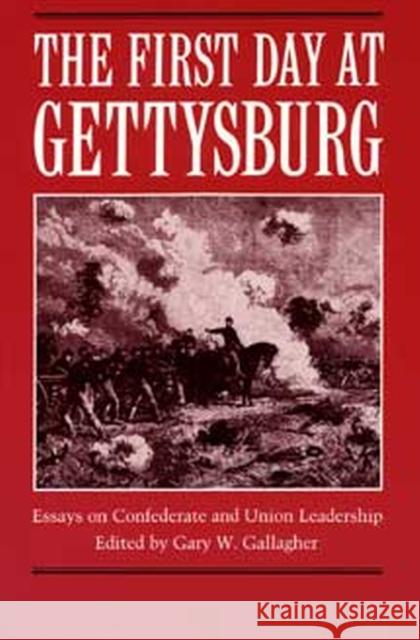
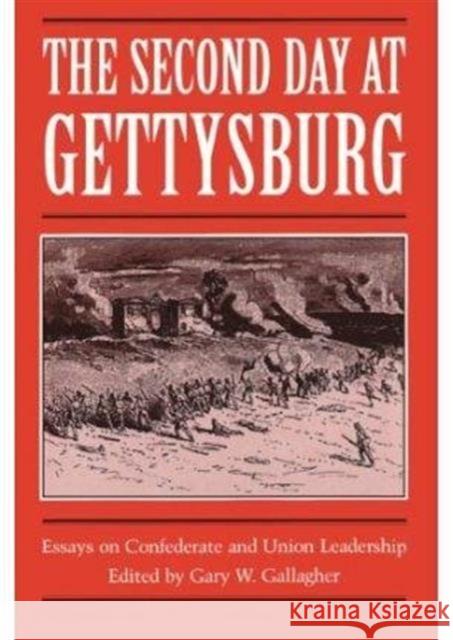
The Battle of Gettysburg exerts a unique hold on the national imagination. Many writers have argued that it represented the turning point of the Civil War, after which Confederate fortunes moved inexorably toward defeat. Successive generations of historians have not exhausted the topic of leadership at Gettysburg, especially with regard to the first day of the battle. Often overshadowed by more famous events on the second and third days, the initial phase of the contest nevertheless offers the most interesting problems of leadership.
In this collection of essays, the contributors...
The Battle of Gettysburg exerts a unique hold on the national imagination. Many writers have argued that it represented the turning point of the Ci...
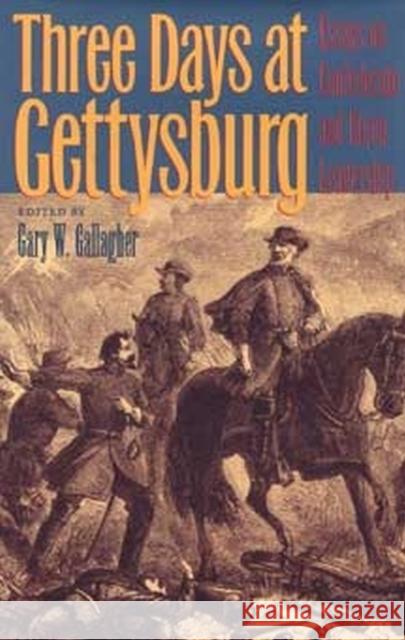
Notable Civil War historians herein continue the evaluation of select commanders begun in The First Day at Gettysburg: Essays on Confederate and Union Leadership. Using fresh manuscript sources coupled with a careful consideration of the existing literature, they explore issues such as Robert E. Lee's decision to renew the tactical offensive on July 2; James Longstreet's effectiveness in executing Lee's plan; the origin and impact of Daniel E. Sickle's decision to advance his Third Corps, which formed the infamous "Sickle's Salient"; the little-understood role of Henry W Slocum...
Notable Civil War historians herein continue the evaluation of select commanders begun in The First Day at Gettysburg: Essays on Confederate an...
No Civil War military campaign has inspired as much controversy about leadership as has Gettysburg. Because it was a defining event for both the Army of the Potomac and the Army of Northern Virginia, the debates began almost immediately after the battle, and they continue today.
Three Days at Gettysburg contains essays from noted Civil War historians on leadership during the battle. The contributors to this volume believe there is room for scholarship that revisits the sources on which earlier accounts have been based and challenges prevailing interpretations of key...
No Civil War military campaign has inspired as much controversy about leadership as has Gettysburg. Because it was a defining event for both the Ar...
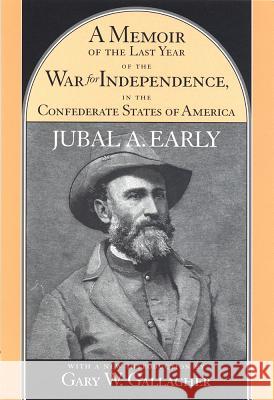
Jubal Anderson Early (1816-1894) ranked among the most important generals who fought with Robert E. Lee's Confederate Army of Northern Virginia. A brigade and corps commander, he played principal roles at the battles of First Manassas, Chancellorsville, Gettysburg, and most of the other engagements in the Eastern Theater during the first three years of the Civil War. In 1864 Early commanded an army in the Shenandoah Valley, winning several victories and menacing Washington before suffering ignominious defeat in a series of battles against Phillip H. Sheridan's Union forces. Early's long and...
Jubal Anderson Early (1816-1894) ranked among the most important generals who fought with Robert E. Lee's Confederate Army of Northern Virginia. A bri...
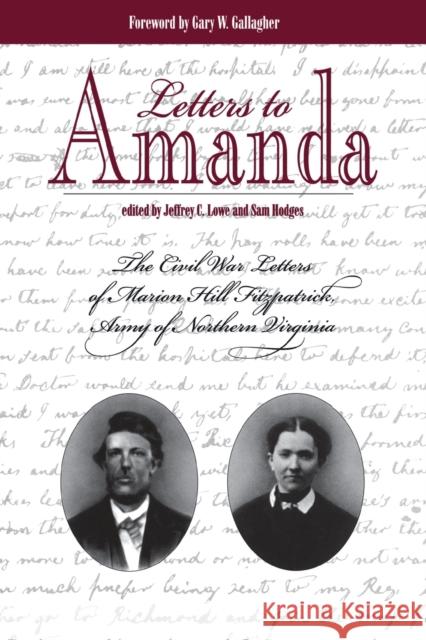
Sergeant Major Marion Hill Fitzpatrick, a soldier in the 45th Georgia Regiment in the Army of Northern Virginia, wrote his wife Amanda over 100 letters, frequently describing both the horror of combat and the deplorable conditions of hospitals. Fighting in the corps of A. P. Hill, Fitzpatrick, an extremely literate individual, reveals his loyalty for the Confederacy and most of all to his family. His letters reveal a man who longed to be home with his beloved wife and their newborn son. These letters testify to the humanity, courage, and dedication of the Civil War soldier. Although they have...
Sergeant Major Marion Hill Fitzpatrick, a soldier in the 45th Georgia Regiment in the Army of Northern Virginia, wrote his wife Amanda over 100 letter...
The Maryland campaign of September 1862 ranks among the most important military operations of the American Civil War. Crucial political, diplomatic, and military issues were at stake as Robert E. Lee and George B. McClellan maneuvered and fought in the western part of the state. The climactic clash came on September 17 at the battle of Antietam, where more than 23,000 men fell in the single bloodiest day of the war.
Approaching topics related to Lee's and McClellan's operations from a variety of perspectives, contributors to this volume explore questions regarding military...
The Maryland campaign of September 1862 ranks among the most important military operations of the American Civil War. Crucial political, diplomatic, a...
It is well this is so terrible We should grow too fond of it," said General Robert E. Lee as he watched his troops repulse the Union attack at Fredericksburg on 13 December 1863.
This collection of seven original essays by leading Civil War historians reinterprets the bloody Fredericksburg campaign and places it within a broader social and political context. By analyzing the battle's antecedents as well as its aftermath, the contributors challenge some long-held assumptions about the engagement and clarify our picture of the war as a whole.
The book begins with...
It is well this is so terrible We should grow too fond of it," said General Robert E. Lee as he watched his troops repulse the Union attack at Freder...
The Richmond campaign of April-July 1862 ranks as one of the most important military operations of the first years of the American Civil War. Key political, diplomatic, social, and military issues were at stake as Robert E. Lee and George B. McClellan faced off on the peninsula between the York and James Rivers. The climactic clash came on June 26-July 1 in what became known as the Seven Days battles, when Lee, newly appointed as commander of the Confederate forces, aggressively attacked the Union army. Casualties for the entire campaign exceeded 50,000, more than 35,000 of whom fell during...
The Richmond campaign of April-July 1862 ranks as one of the most important military operations of the first years of the American Civil War. Key poli...
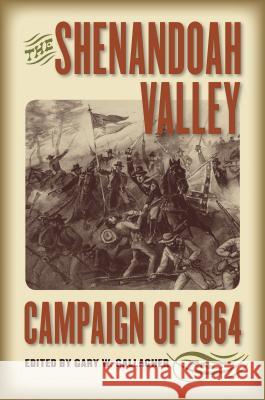
Generally regarded as the most important of the Civil War campaigns conducted in the Shenandoah Valley of Virginia, that of 1864 lasted more than four months and claimed more than 25,000 casualties. The armies of Philip H. Sheridan and Jubal A. Early contended for immense stakes. Beyond the agricultural bounty and the boost in morale a victory would bring, events in the Valley also would affect Abraham Lincoln's chances for reelection in the November 1864 presidential canvass.
The eleven original essays in this volume reexamine common assumptions about the campaign, its major...
Generally regarded as the most important of the Civil War campaigns conducted in the Shenandoah Valley of Virginia, that of 1864 lasted more than four...