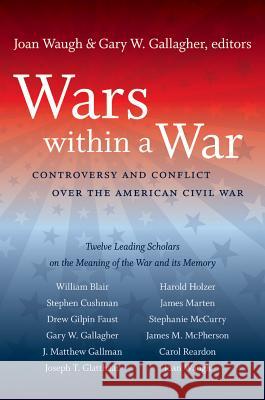
Comprised of essays from twelve leading scholars, this volume extends the discussion of Civil War controversies far past the death of the Confederacy in the spring of 1865. Contributors address, among other topics, Walt Whitman's poetry, the handling of the Union and Confederate dead, the treatment of disabled and destitute northern veterans, Ulysses S. Grant's imposing tomb, and Hollywood's long relationship with the Lost Cause narrative. The contributors are William Blair, Stephen Cushman, Drew Gilpin Faust, Gary W. Gallagher, J. Matthew Gallman, Joseph T. Glatthaar, Harold Holzer, James...
Comprised of essays from twelve leading scholars, this volume extends the discussion of Civil War controversies far past the death of the Confederacy ...
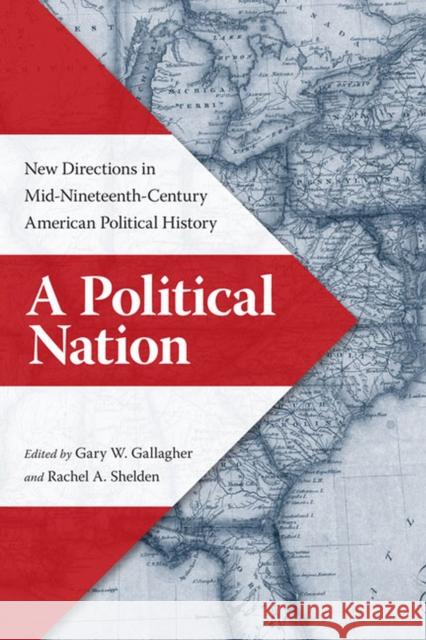
This impressive collection joins the recent outpouring of exciting new work on American politics and political actors in the mid-nineteenth century. For several generations, much of the scholarship on the political history of the period from 1840 to 1877 has carried a theme of failure; after all, politicians in the antebellum years failed to prevent war, and those of the Civil War and Reconstruction failed to take advantage of opportunities to remake the nation. Moving beyond these older debates, the essays in this volume ask new questions about mid-nineteenth-century American politics and...
This impressive collection joins the recent outpouring of exciting new work on American politics and political actors in the mid-nineteenth century...
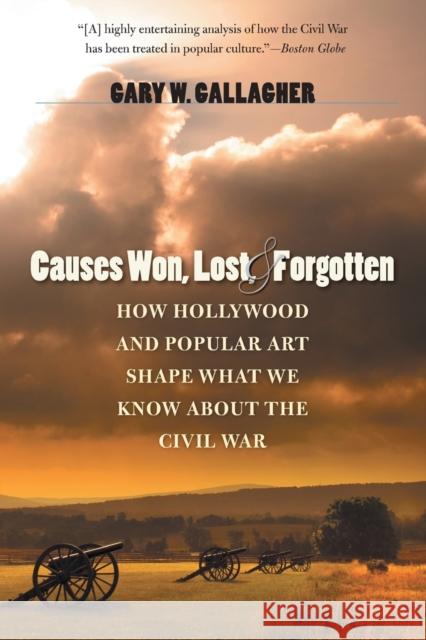
More than 60,000 books have been published on the Civil War. Most Americans, though, get their ideas about the war--why it was fought, what was won, what was lost--not from books but from movies, television, and other popular media. In an engaging and accessible survey, Gary W. Gallagher guides readers through the stories told in recent film and art, showing how these stories have both reflected and influenced the political, social, and racial currents of their times.
More than 60,000 books have been published on the Civil War. Most Americans, though, get their ideas about the war--why it was fought, what was won, w...
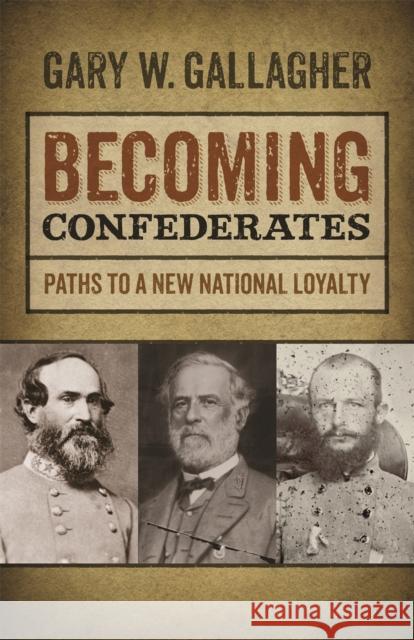
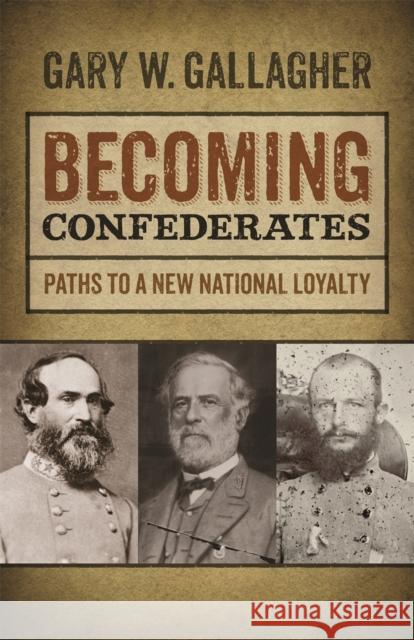
In Becoming Confederates, Gary W. Gallagher explores loyalty in the era of the Civil War, focusing on Robert E. Lee, Stephen Dodson Ramseur, and Jubal A. Early--three prominent officers in the Army of Northern Virginia who became ardent Confederate nationalists. Loyalty was tested and proved in many ways leading up to and during the war. Looking at levels of allegiance to their native state, to the slaveholding South, to the United States, and to the Confederacy, Gallagher shows how these men represent responses to the mid-nineteenth-century crisis.
Lee traditionally has been...
In Becoming Confederates, Gary W. Gallagher explores loyalty in the era of the Civil War, focusing on Robert E. Lee, Stephen Dodson Ramseur,...
In Becoming Confederates, Gary W. Gallagher explores loyalty in the era of the Civil War, focusing on Robert E. Lee, Stephen Dodson Ramseur, and Jubal A. Early--three prominent officers in the Army of Northern Virginia who became ardent Confederate nationalists. Loyalty was tested and proved in many ways leading up to and during the war. Looking at levels of allegiance to their native state, to the slaveholding South, to the United States, and to the Confederacy, Gallagher shows how these men represent responses to the mid-nineteenth-century crisis.
Lee traditionally has been...
In Becoming Confederates, Gary W. Gallagher explores loyalty in the era of the Civil War, focusing on Robert E. Lee, Stephen Dodson Ramseur,...
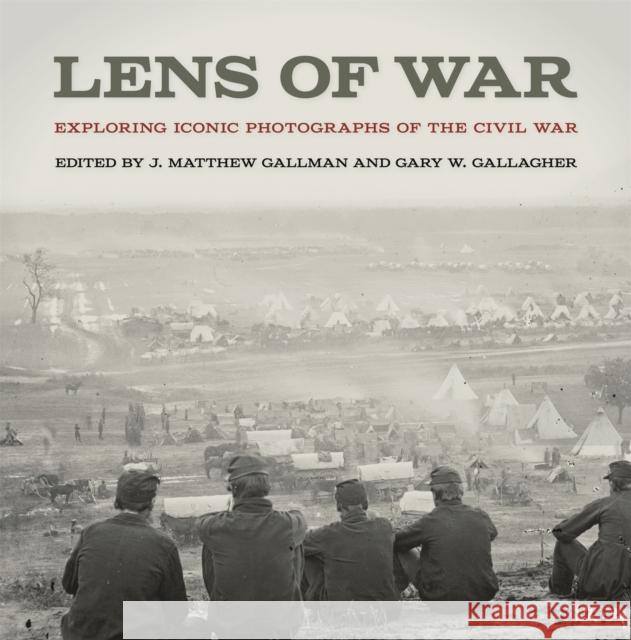
Lens of War grew out of an invitation to leading historians of the Civil War to select and reflect upon a single photograph. Each could choose any image and interpret it in personal and scholarly terms. The result is a remarkable set of essays by twenty-seven scholars whose numerous volumes on the Civil War have explored military, cultural, political, African American, women s, and environmental history.
The essays describe a wide array of photographs and present an eclectic approach to the assignment, organized by topic: Leaders, Soldiers, Civilians, Victims, and Places....
Lens of War grew out of an invitation to leading historians of the Civil War to select and reflect upon a single photograph. Each could choo...
Comprised of essays from twelve leading scholars, this volume extends the discussion of Civil War controversies far past the death of the Confederacy in the spring of 1865. Contributors address, among other topics, Walt Whitman's poetry, the handling of the Union and Confederate dead, the treatment of disabled and destitute northern veterans, Ulysses S. Grant's imposing tomb, and Hollywood's long relationship with the Lost Cause narrative. The contributors are William Blair, Stephen Cushman, Drew Gilpin Faust, Gary W. Gallagher, J. Matthew Gallman, Joseph T. Glatthaar, Harold Holzer, James...
Comprised of essays from twelve leading scholars, this volume extends the discussion of Civil War controversies far past the death of the Confederacy ...
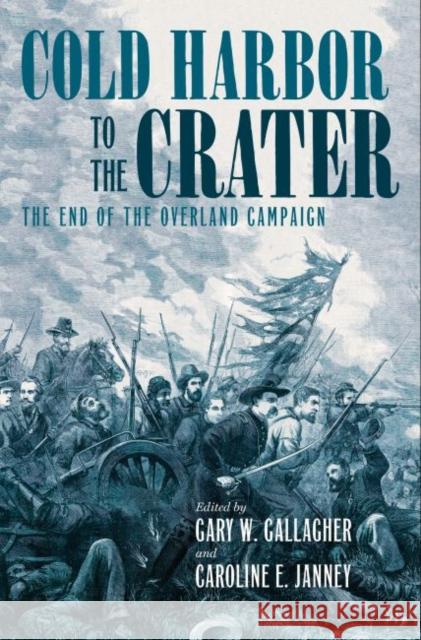
Between the end of May and the beginning of August 1864, Lt. Gen. Ulysses S. Grant and Gen. Robert E. Lee oversaw the transition between the Overland campaign--a remarkable saga of maneuvering and brutal combat--and what became a grueling siege of Petersburg that many months later compelled Confederates to abandon Richmond. Although many historians have marked Grant's crossing of the James River on June 12-15 as the close of the Overland campaign, this volume interprets the fighting from Cold Harbor on June 1-3 through the battle of the Crater on July 30 as the last phase of an operation that...
Between the end of May and the beginning of August 1864, Lt. Gen. Ulysses S. Grant and Gen. Robert E. Lee oversaw the transition between the Overland ...
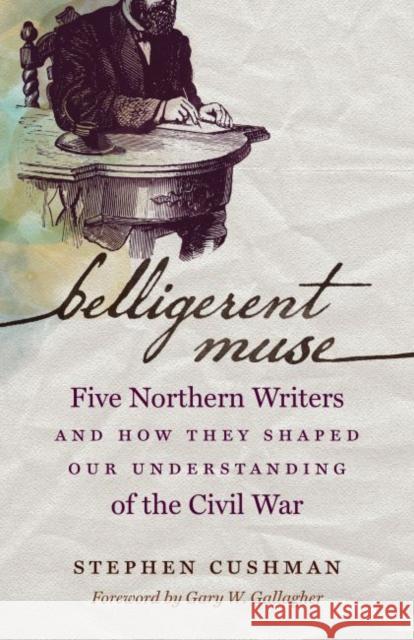
War destroys, but it also inspires, stimulates, and creates. It is, in this way, a muse, and a powerful one at that. The American Civil War was a particularly prolific muse--unleashing with its violent realities a torrent of language, from soldiers' intimate letters and diaries to everyday newspaper accounts, great speeches, and enduring literary works. In Belligerent Muse, Stephen Cushman considers the Civil War writings of five of the most significant and best known narrators of the conflict: Abraham Lincoln, Walt Whitman, William Tecumseh Sherman, Ambrose Bierce, and Joshua Lawrence...
War destroys, but it also inspires, stimulates, and creates. It is, in this way, a muse, and a powerful one at that. The American Civil War was a part...