Twenty-five years ago, Earl R. Stadtman, PhD discovered that specific enzymes regulating metabolism can be inactivated by oxidation 1]. He later showed that age-related oxidative modification contributes, at least in part, to age-related loss of function of the enzymes 2, 3]. Dr. Stadtman broke the ground for a new field of study to discover how oxidative stress contributes in significant ways to age-related cellular dysfunction and protein accumulation and that oxidation in the aging brain influences Alzheimer s disease, ischemia-reperfusion injury, amyotrophic lateral sclerosis, and...
Twenty-five years ago, Earl R. Stadtman, PhD discovered that specific enzymes regulating metabolism can be inactivated by oxidation 1]. He later show...
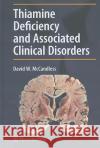
Thiamine deficiency and related clinical disorders represent an intriguing area of both basic and clinical investigation. Modern imaging strategies have facilitated the rapid treatment, and potential reversal of these clinical disorders. The fusion of laboratory and clinical knowledge serve as an example of how research can translate to successful treatment. The goal of Thiamine Deficiency and Related Clinical Disorders is to bring together cogent results from basic and clinical investigation and to stimulate further investigations in these areas. This data will be useful to neurologists,...
Thiamine deficiency and related clinical disorders represent an intriguing area of both basic and clinical investigation. Modern imaging strategies...
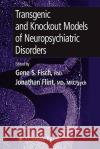
In this up-to-date survey and critical assessment of transgenic and knockout models in neuropsychiatry and behavior, a panel of leading researchers comprehensively assesses how and whether the genetic abnormalities produced from these models manifest the neuropsychiatric disorders to which they correspond. The authors focus on transgenic and knockout models of neurocognitive dysfunction and neuropsychiatric dysfunction. The discussion of neurobiological problems covers mental retardation, polyglutamate, and speech disorders, as well as disorders that involve cognitive, social, speech, and...
In this up-to-date survey and critical assessment of transgenic and knockout models in neuropsychiatry and behavior, a panel of leading researchers co...
Orexin/hypocretin research began in 1998, as a result of the discovery of a new hypothalamic neuropeptide. In 1999, it was found that mutations in the orexin/ hypocretin-related genes caused a sleep disorder (narcolepsy) in dogs and mice. These findings were soon followed by the discoveries of orexin/hypocretin ligand deficiency in human narcolepsy. The finding of the major pathophysiological mechanisms of human narcolepsy resulted in its reclassification as a neurological, not a psychiatric, disorder. The - portance of early diagnosis and initiation of treatment for human narcolepsy has been...
Orexin/hypocretin research began in 1998, as a result of the discovery of a new hypothalamic neuropeptide. In 1999, it was found that mutations in the...
Attention deficit hyperactivity disorder (ADHD) is a common neurobehavioral disorder affecting 5 10% of children and adolescents and 3% of adults. Attention Deficit Hyperactivity Disorder: From Genes to Patients aims to provide a comp- hensive, state-of-the-art overview of the critical aspects of ADHD, and hopefully will serve as a quick and up-to-date reference source for professionals with an int- est in ADHD. The book is divided into three major areas that follow an historical survey. The first group of chapters deals with current theories on the pathophysiology of ADHD, and focuses on...
Attention deficit hyperactivity disorder (ADHD) is a common neurobehavioral disorder affecting 5 10% of children and adolescents and 3% of adults. Att...
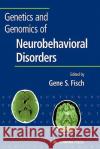
A clear and comprehensive account of how genetic abnormalities, neurobiology, and neuropsychology work together to manifest cognitive-behavioral dysfunction. The authors review the current status of research in autosomal disorders that produce cognitive-behavioral dysfunction and syndromal and nonsyndromal disorders that produce mental retardation. Comprehensive and up-to-date, Genetics and Genomics of Neurobehavioral Disorders integrates the molecular, genomic, neuropsychological, and neurobehavioral factors that produce learning disabilities and mental retardation into a coherent framework...
A clear and comprehensive account of how genetic abnormalities, neurobiology, and neuropsychology work together to manifest cognitive-behavioral dysfu...
In Glutamate and Addiction, world-renowned scientific experts critically review all of the evidence for the role of glutamatergic systems in opiate, stimulant, and alcohol addiction. Using a variety of pharmacological, biochemical, genetic, and brain imaging techniques, these investigators show precisely how glutamate affects such addictions and how modifying certain elements of the glutamatergic system appear to alleviate particular components of addiction. Their survey takes in both clinical approaches using medications that influence glutamate and cutting-edge preclinical approaches that...
In Glutamate and Addiction, world-renowned scientific experts critically review all of the evidence for the role of glutamatergic systems in opiate, s...
Physicians, nurses, and safety experts comprehensively review sedation and analgesia to provide a completely new reference guide to safe sedation practices consistent with existing guidelines. Starting with an integrated review of the basic physiology and neurobiology of the sedated state, the authors proceed through clinical guidelines and practices, and conclude with an examination of quality-outcome measures and processes. They also review current mandates for safe sedation practices and address the key clinical issues of pharmacology, monitoring, and recovery. Special tables and figures...
Physicians, nurses, and safety experts comprehensively review sedation and analgesia to provide a completely new reference guide to safe sedation prac...
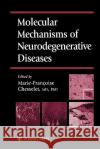
The field ofneurodegenerative diseases is undergoing an unprecedented revolution. The past decade has seen the identification of new mutation mecha nisms, such as triplet repeat expansions, and new genes causing familial forms of common neurodegenerative diseases, such as Parkinson's and Alzheimer's diseases. Cellular and animal models based on this genetic information are now available and, importantly, common mechanisms are rapidly emerging among diseases that were once considered unrelated. The field is poised for the development of new therapies based on high throughput screenings and a...
The field ofneurodegenerative diseases is undergoing an unprecedented revolution. The past decade has seen the identification of new mutation mecha ni...
A comprehensive survey of the many recent advances in the field of G protein-coupled receptors (GPCR). The authors describe the current knowledge of GPCR receptor structure and function, the different mechanisms involved in the regulation of GPCR function, and the role of pharmacological chaperones in GPCR folding and maturation. They also present new findings about how GPCR dimerization/oligomerization modifies the properties of individual receptors and show how recent developments are leading to significant advances in drug discovery, such as the detection of ligands for orphan GPCRs. Also...
A comprehensive survey of the many recent advances in the field of G protein-coupled receptors (GPCR). The authors describe the current knowledge of G...