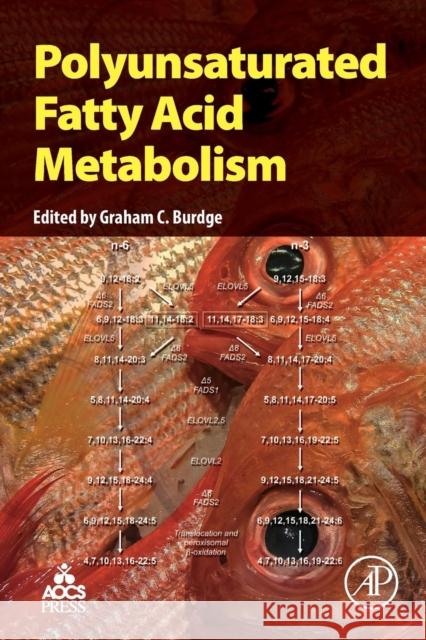
1. Polyunsaturated fatty acid biosynthesis in animals - an overview 2. Polyunsaturated fatty acid biosynthesis in fish -an overview 3. Polyunsaturated fatty acid biosynthesis in birds 4. Biochemistry and regulation of delta-6 and delta-5 desaturases in animals 5. Biochemistry and regulation of elongase 2 and 5 in mammals 6. Polyunsaturated fatty acid biosynthesis in infancy 7. Alternative pathways of polyunsaturated fatty acid biosynthesis in eukaryotes 8. Endocrine influences on polyunsaturated fatty acid biosynthesis 9. Dietary modification of polyunsaturated fatty acid biosynthesis 10. Genetic influences on polyunsaturated fatty acid biosynthesis 11. Epigenetic influences on polyunsaturated fatty acid biosynthesis 12. Implications of polyunsaturated fatty acid metabolism for human health
Professor Burdge has over 25 years' experience of research into lipid metabolism, in particular polyunsaturated fatty acids (PUFA) including having demonstrated that maternal PUFA biosynthesis increases during pregnancy to raise docosahexaenoic acid (DHA) status in order to ensure adequate supply to the offspring, and identifying sex differences in DHA status in a number of species, and characterizing underlying biochemical and molecular mechanisms. His current research focus is the interaction between lipids and the epigenome. He has 10 years editorial experience including serving for the past three years as the Editor-in-Chief of the British Journal of Nutrition and of the Journal of Nutritional Science.