• Wyszukiwanie zaawansowane
  • Kategorie
  • Kategorie BISAC
  • Książki na zamówienie
  • Promocje
  • Granty
  • Książka na prezent
  • Opinie
  • Pomoc
  • Załóż konto
  • Zaloguj się

Phytonutrients » książka


zaloguj się | załóż konto
Logo Krainaksiazek.pl

koszyk

konto

szukaj
topmenu
Księgarnia internetowa
Szukaj
Książki na zamówienie
Promocje
Granty
Książka na prezent
Moje konto
Pomoc
 
 
Wyszukiwanie zaawansowane
Pusty koszyk
Bezpłatna dostawa dla zamówień powyżej 20 złBezpłatna dostawa dla zamówień powyżej 20 zł

Kategorie główne

• Nauka
 [2946350]
• Literatura piękna
 [1816154]

  więcej...
• Turystyka
 [70666]
• Informatyka
 [151172]
• Komiksy
 [35576]
• Encyklopedie
 [23172]
• Dziecięca
 [611458]
• Hobby
 [135995]
• AudioBooki
 [1726]
• Literatura faktu
 [225763]
• Muzyka CD
 [378]
• Słowniki
 [2917]
• Inne
 [444280]
• Kalendarze
 [1179]
• Podręczniki
 [166508]
• Poradniki
 [469467]
• Religia
 [507199]
• Czasopisma
 [496]
• Sport
 [61352]
• Sztuka
 [242330]
• CD, DVD, Video
 [3348]
• Technologie
 [219391]
• Zdrowie
 [98638]
• Książkowe Klimaty
 [124]
• Zabawki
 [2382]
• Puzzle, gry
 [3525]
• Literatura w języku ukraińskim
 [259]
• Art. papiernicze i szkolne
 [7107]
Kategorie szczegółowe BISAC

Phytonutrients

ISBN-13: 9781405131513 / Angielski / Twarda / 2012 / 312 str.
Andrew Salter
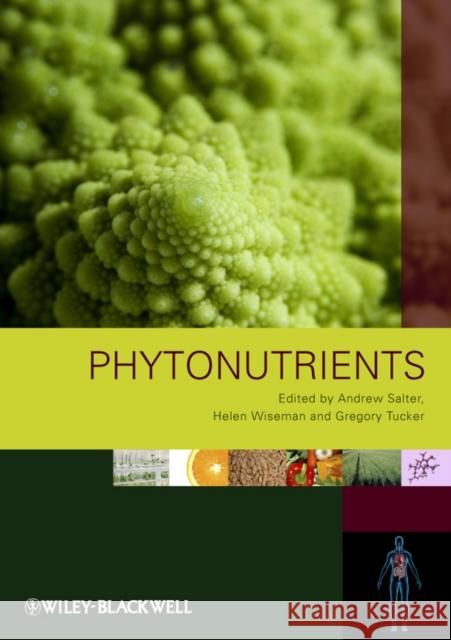
Phytonutrients Andrew Salter 9781405131513  - książkaWidoczna okładka, to zdjęcie poglądowe, a rzeczywista szata graficzna może różnić się od prezentowanej.

Phytonutrients

ISBN-13: 9781405131513 / Angielski / Twarda / 2012 / 312 str.

Andrew Salter
cena 819,46
(netto: 780,44 VAT:  5%)

Najniższa cena z 30 dni: 809,46
Termin realizacji zamówienia:
ok. 30 dni roboczych.

Darmowa dostawa!

In many Western diets, the role of plants has been reduced in favour of more animal-based products and this is now being cited more widely as being the cause of increases in the incidence of diseases such as cancer and cardiovascular disease. This important book covers the biochemistry and nutritional importance of a wide range of phytonutrients, including all the major macronutrients as well as the micronutrients and 'non-essential' nutrients. Phytonutrients is divided into three parts. The first deals with the role of plants in the human diet. Part II, representing the major part of the book covers in turn each of the major phytonutrient groups. Chapters include: non-lipid micronutrients, lipids and steroids, carotenoids, phenolics, vitamins C, E, folate/vitamin B12, phytoestrogens, other phytonutrients and minerals, and anti-nutritional factors. The final part of the book covers the methods used to manipulate levels of phytonutrients in the diet, such as fortification, supplementation and the use of genetically modified plants. Phytonutrients is an essential purchase for nutritionists, food scientists and plant biochemists, particularly those dealing with nutrients from plants, and their use in the human diet.


Kategorie:
Nauka, Biologia i przyroda
Kategorie BISAC:
Medical > Nutrition
Science > Biochemia
Technology & Engineering > Food Science - General
Język:
Angielski
ISBN-13:
9781405131513
Rok wydania:
2012
Ilość stron:
312
Waga:
0.77 kg
Wymiary:
24.64 x 17.53 x 2.03
Oprawa:
Twarda
Wolumenów:
01
Dodatkowe informacje:
Bibliografia
Wydanie ilustrowane

A welcome addition to any academic library.  Summing Up: Highly recommended.  Upper–division undergraduates through professionals." (Choice, 1 December 2012)

Selected as an "Outstanding Academic Title from 2012" by Choice


Preface xi

Contributors xii

Abbreviations xv

1 Plant foods and health 1
Judith Buttriss

Introduction 1

Historical changes in the plant content of the human diet 1

Changing composition of dietary constituents in the past 50 years 5

Plants nutrients and other constituents 6

A summary of the evidence linking plant food intake and health 6

Coronary heart disease and stroke 9

Fruits and vegetables 9

Pulses and nuts 13

Cereals 15

Antioxidant nutrients 17

Other bioactive substances 18

Antioxidant hypothesis 20

Phytosterols and stanols 20

Conclusions for coronary heart disease and stroke 21

Cancer 21

Fruit and vegetables 21

Legumes and nuts 26

Foods containing fibre 26

Vitamins 26

Other plant–derived substances 28

Conclusions for cancer 28

Type 2 diabetes 29

Age–related macular degeneration and cataract 29

Age–related cognitive decline 30

Chronic obstructive pulmonary disease 31

Osteoporosis and bone health 31

Plant foods and health: overall conclusions 32

Recommendations and current policy on plant food intake 33

Fruit and vegetables 33

Wholegrain foods 35

Current consumption patterns 35

Conclusions 39

Acknowledgement 40

2 Carbohydrates and lipids 52
Andrew Salter and Gregory Tucker

Introduction 52

Major carbohydrates 53

Sugars 54

Polysaccharides 55

Starch 55

Cell wall polymers 58

Biosynthesis of cell wall polymers 60

Cell wall turnover 62

Nutritional benefits of plant carbohydrates 64

Major sources of dietary fibre within the diet and recommended intakes 64

Definition and measurement of dietary fibre 65

Physiological effects of dietary fibre 66

Lipids 68

Synthesis of fatty acids in plants 69

Synthesis of glycerolipids in plants 70

Modification of plant lipids 73

Fatty acid composition of plant foods 76

Vegetables 76

Cereals 77

Fruit 77

Oil seeds 77

Dietary lipids and human health 79

Phytosterols 80

3 Carotenoids 89
Úrsula Flores–Perez and Manuel Rodriguez–Concepcion

Introduction 89

Structure, biosynthesis and function of plant carotenoids 90

Dietary sources and health benefits 93

Absorption and bioavailability of dietary carotenoids 97

Carotenoid type 98

Food matrix 98

Carotenoid metabolism in humans 99

Meeting the dietary demand and consequences for imbalance 101

Acknowledgements 102

4 Polyphenols 110
David Vauzour, Katerina Vafeiadou and Jeremy P. E. Spencer

Introduction 110

Polyphenol structure 110

Phenolic acids and stilbenes 110

Flavonoids 113

Biosynthetic routes within the plant 115

Shikimic precursor and benzoic acid biosynthesis 115

Cinnamic acid biosynthesis 115

Stilbene biosynthesis 119

Flavonoid biosynthesis 119

Major sources within the diet 121

Phenolic acids and stilbenes 121

Flavonoids 121

Flavonols 121

Flavanones 122

Flavanols 123

Flavones 123

Anthocyanins 123

Isoflavones 123

Metabolic fate of dietary polyphenols 124

Gastrointestinal tract metabolism 124

Colonic metabolism 126

Role in human health 127

Flavonoids as classical antioxidants 128

Non–antioxidant activities of fl avonoids 130

Interactions with cell signalling pathways 131

Other potential mechanisms of action 133

Conclusion 133

Summary 134

Acknowledgements 134

5 Vitamins C and E 146
David Gray, John Brameld and Gregory Tucker

Introduction 146

Vitamin C: structure and chemistry 146

Dietary sources of vitamin C 147

Vitamin C: biosynthesis and metabolism in plants 148

Vitamin C functions in plants 152

Vitamin C manipulation in plants 154

Absorption and transport of vitamin C in mammals 155

Vitamin E: structure and chemistry 156

Dietary sources of vitamin E 159

Vitamin E: biosynthetic pathways 159

Roles of tocochromanols in plants 161

Manipulation of tocochromanol concentration 162

Absorption and transport of vitamin E in mammals 164

Antioxidant functions of vitamin E 164

6 Folate 173
Stéphane Ravanel and Fabrice Rébeillé

Introduction 173

One–carbon metabolism 174

Generation and interconversion of C1–units 176

Serine glycine metabolism 176

Formate activation 176

Histidine catabolism 177

Interconvertion of C1–substituted folates 178

Utilisation of C1–units 179

Methionine synthesis 179

Purine ring formation 179

Formylation of methionyl–tRNA 180

Thymidylate synthesis 180

Pantothenate synthesis 180

Folate synthesis and distribution in plants 181

Biosynthesis of tetrahydrofolate in plants 181

Pterin branch 182

pABA branch 183

Assembly of the pterin, pABA and glutamate moieties 183

Reduction and polyglutamylation 184

Catabolism and salvage pathway 185

Compartmentation and transport of folates 185

Subcellular location of folates 185

Folate transporters 186

Folates distribution in plants 186

Physiology of folate in human health and disease 188

Absorption 188

Transport, storage, catabolism and excretion 189

Metabolic and clinical manifestations of folate deficiency 189

Diagnosis of folate deficiency 190

Folate bioavailability, requirements and food fortification 191

Bioavailability 191

Dietary intake recommendations 192

Dietary sources of folate 192

Food fortification 194

Prospects for plant foods biofortification 195

7 Phytoestrogens 203
Helen Wiseman

Introduction 203

Biosynthesis of phytoestrogens 203

Introduction 203

Isoflavonoids 203

Prenylated flavonoids 205

Stilbenes 205

Lignans 205

Genetic engineering 205

Isoflavonoids 206

Introduction 206

Dietary sources and intakes 206

Metabolism and bioavailability 208

Isoflavonoids and cancer prevention 211

Hormone–dependent cancer prevention by isoflavonoids 211

Oestrogens and risk of breast cancer 213

Oestrogen receptor–mediated events 213

Animal models 215

Mechanisms of anticancer action of isoflavonoids 217

Clinical studies 219

Protection by isoflavonoids against cardiovascular disease 220

Cholesterol–lowering and isoflavonoids 220

Antioxidant action 222

Arterial function 225

Cellular effects 226

Protection by isoflavonoids against osteoporosis, cognitive decline and menopausal symptoms? 226

Osteoporosis 226

Menopausal symptoms and cognitive decline 227

Isoflavonoids: potential risks 228

Lignans 229

Introduction 229

Production of mammalian lignans 230

Cardiovascular disease 230

Breast cancer prevention 230

Prostate cancer prevention 230

Prevention of other types of cancer 231

Other health benefits 231

Prenylflavonoids 231

Stilbenes 233

Miroestrol 235

Deoxybenzoins 235

Coumestans 236

Phytoestrogens and human health: conclusions 236

8 Plant minerals 254
Martin R. Broadley and Philip J. White

Introduction 254

Genetic variation in plant mineral concentration 258

Introduction 258

Between–species genetic variation in plant mineral concentration 258

Within–species genetic variation in plant mineral concentration 259

Iron and zinc 260

Iodine and selenium 263

Calcium and magnesium 264

Copper 266

Has the mineral concentration of crops declined due to breeding for increased yield? 266

Evidence for a decline in mineral concentration of horticultural crops 266

Is there evidence for a decline in mineral concentration of staple crops? 267

A case study on potatoes; a précis of White et al. (2009) 268

Index 278

Andrew Salter is Professor of Nutritional Biochemistry in the School of Biosciences at the University of Nottingham.

Helen Wiseman is Lecturer in Nutritional Sciences in the Diabetes and Nutritional Sciences Division at King′s College London.

Gregory Tucker is Professor of Plant Biochemistry in the School of Biosciences at the University of Nottingham.

Plants are a major source of nutrition in our diet, and offer an array of health benefits, yet many Western diets are still over–reliant upon animal–based foods. Growing evidence suggests that this emphasis on foods of animal origin may be linked to increased incidences of cancer and cardiovascular disorders, and that increased consumption of key plant–based foods may result in protection from some of these diseases. In fact, plants can provide us with almost all of our dietary requirements, including macronutrients such as carbohydrates and lipids, and micronutrients such as vitamins and minerals. Many other phytochemicals, including carotenoids, polyphenols and phytoestrogens, whilst not essential, have also been shown to be beneficial to human health.

Phytonutrients covers the role of plants in the human diet and argues for the beneficial effects of many other components of plants besides the obvious nutritional elements such as carbohydrates, proteins and fats. It addresses the biochemistry and nutritional importance of all the major macronutrients, as well as the micronutrients and non–essential nutrients. At a time when there is growing interest amongst plant scientists in the enhancement of nutrients within crops, this book also looks at how a better understanding of plant metabolism can facilitate the application of genetic engineering, for example to enhance levels of vitamin A and folate, or the manipulation of biosynthetic pathways to introduce novel nutrients into plants.

With contributions from experts in both plant science and nutrition, this is an essential purchase for nutritionists, food scientists and plant biochemists, particularly those working with nutrients from plants and their use in the human diet. Students and researchers will prize the authors′ scholarship and expertise, and readers from the agrifood industry will value the book′s groundbreaking findings. Whether the reader′s background is in plant science or nutrition, the authors′ cross–disciplinary approach will encourage understanding, dialogue and collaboration between these often disparate fields of expertise.


Udostępnij

Facebook - konto krainaksiazek.pl


Opinie o Krainaksiazek.pl na Opineo.pl

Partner Mybenefit

Krainaksiazek.pl w programie rzetelna firma Krainaksiaze.pl - płatności przez paypal

Czytaj nas na:

Facebook - krainaksiazek.pl
  • książki na zamówienie
  • granty
  • książka na prezent
  • kontakt
  • pomoc
  • opinie
  • regulamin
  • polityka prywatności

Zobacz:

  • Księgarnia czeska

  • Wydawnictwo Książkowe Klimaty

1997-2026 DolnySlask.com Agencja Internetowa

© 1997-2022 krainaksiazek.pl
     
KONTAKT | REGULAMIN | POLITYKA PRYWATNOŚCI | USTAWIENIA PRYWATNOŚCI
Zobacz: Księgarnia Czeska | Wydawnictwo Książkowe Klimaty | Mapa strony | Lista autorów
KrainaKsiazek.PL - Księgarnia Internetowa

Polityka prywatnosci - link
Krainaksiazek.pl - płatnośc Przelewy24
Przechowalnia Przechowalnia






