• Wyszukiwanie zaawansowane
  • Kategorie
  • Kategorie BISAC
  • Książki na zamówienie
  • Promocje
  • Granty
  • Książka na prezent
  • Opinie
  • Pomoc
  • Załóż konto
  • Zaloguj się

Gastrointestinal Regulatory Peptides » książka


zaloguj się | załóż konto
Logo Krainaksiazek.pl

koszyk

konto

szukaj
topmenu
Księgarnia internetowa
Szukaj
Książki na zamówienie
Promocje
Granty
Książka na prezent
Moje konto
Pomoc
 
 
Wyszukiwanie zaawansowane
Pusty koszyk
Bezpłatna dostawa dla zamówień powyżej 20 złBezpłatna dostawa dla zamówień powyżej 20 zł

Kategorie główne

• Nauka
 [2946912]
• Literatura piękna
 [1852311]

  więcej...
• Turystyka
 [71421]
• Informatyka
 [150889]
• Komiksy
 [35717]
• Encyklopedie
 [23177]
• Dziecięca
 [617324]
• Hobby
 [138808]
• AudioBooki
 [1671]
• Literatura faktu
 [228371]
• Muzyka CD
 [400]
• Słowniki
 [2841]
• Inne
 [445428]
• Kalendarze
 [1545]
• Podręczniki
 [166819]
• Poradniki
 [480180]
• Religia
 [510412]
• Czasopisma
 [525]
• Sport
 [61271]
• Sztuka
 [242929]
• CD, DVD, Video
 [3371]
• Technologie
 [219258]
• Zdrowie
 [100961]
• Książkowe Klimaty
 [124]
• Zabawki
 [2341]
• Puzzle, gry
 [3766]
• Literatura w języku ukraińskim
 [255]
• Art. papiernicze i szkolne
 [7810]
Kategorie szczegółowe BISAC

Gastrointestinal Regulatory Peptides

ISBN-13: 9783642778162 / Angielski / Miękka / 2011 / 446 str.
David R. Brown; A. Alemayehu; B. Amiranoff
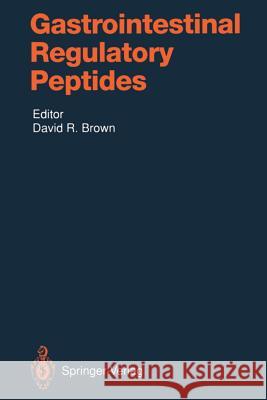
Gastrointestinal Regulatory Peptides David R. Brown A. Alemayehu B. Amiranoff 9783642778162 Springer - książkaWidoczna okładka, to zdjęcie poglądowe, a rzeczywista szata graficzna może różnić się od prezentowanej.

Gastrointestinal Regulatory Peptides

ISBN-13: 9783642778162 / Angielski / Miękka / 2011 / 446 str.

David R. Brown; A. Alemayehu; B. Amiranoff
cena 403,47
(netto: 384,26 VAT:  5%)

Najniższa cena z 30 dni: 385,52
Termin realizacji zamówienia:
ok. 22 dni roboczych
Bez gwarancji dostawy przed świętami

Darmowa dostawa!

Since the discovery of the pancreatic secretagogue secretin by W. M. BAYLISS and E. H. STARLING at the inception of the twentieth century, intense interest has focused on numerous, continually expanding classes of small peptides which appear to serve as regulatory molecules in the gastrointestinal tract, brain, and other organ systems. Initially, many of these substances were, like secretin, discovered in functional assays as "factors" or "activities" extractable in minute quantities from tissues or tissue fluids. By the middle of the century, advances in biochemical and immunological methods for the purification, characterization, and quantification of biologically active peptides in organ systems, tissues, and body fluids provided further impetus to this field. It was readily appreciated that small, biologically active peptides were particularly abundant in the digestive tract. Many peptides such as vasoactive intestinal peptide, gastrin, and more recently peptide YY and galanin were in fact originally discovered in and isolated from gut tissue. Moreover, these peptides were found to have profound actions on the gastroenteropancreatic system in vivo and in vitro. During the past 2 decades, information on regulatory peptides has burgeoned as a result of technological refinements in the synthesis of peptides, improved methods for detecting and visualizing peptides and their precursors in cells and tissues from a variety of species, advances in the functional assessment of peptide activity, and the application of molecular biological techniques to the char- acterization of peptide gene structure and expression.


Kategorie:
Nauka, Medycyna
Kategorie BISAC:
Medical > Farmakologia
Science > Biologia człowieka
Medical > Gastroenterologia
Wydawca:
Springer
Seria wydawnicza:
Handbook of Experimental Pharmacology
Język:
Angielski
ISBN-13:
9783642778162
Rok wydania:
2011
Wydanie:
Softcover Repri
Numer serii:
000049097
Ilość stron:
446
Waga:
0.71 kg
Wymiary:
23.5 x 15.5
Oprawa:
Miękka
Wolumenów:
01

1 Localization and Colocalization of Gastrointestinal Peptides.- A. Introduction.- B. Coexistence of Messengers.- C. Endocrine and Paracrine Cells.- I. Stomach.- II. Small Intestine.- III. Large Intestine.- IV. Coexistence of Peptides in Gut Endocrine Cells.- D. Enteric Neurons.- I. Distribution of Peptide-Containing Nerve Fibers in the Digestive Tract.- II. Projections of Enteric Neurons in the Rat.- 1. Myenteric Neurons.- 2. Submucous Neurons.- III. Coexistence of Peptides in Enteric Neurons.- References.- 2 Regulation of Gastrointestinal Peptide Hormone Gene Expression.- A. Introduction.- B. Gene Structure.- C. RNA Polymerase II.- D. Transcriptional Regulation Overview.- I. DNA Elements.- II. Transcription Factors.- 1. General Transcription Factors.- 2. Regulated Transcription Factors.- 3. Modulation of Transcription Factor Activity.- III. Transcriptional Repression.- IV. Genes Lacking TATA Elements.- E. Analysis of Gene Expression.- I. RNA Quantitation.- II. Promoter Studies.- F. Regulation of Specific Hormone Gene Expression.- I. Preface.- II. Gastrin/Cholecystokinin Family.- 1. Gastrin: Background.- 2. Luminal Regulation of Gastrin Gene Expression.- 3. Islet Cell Gastrin Expression.- 4. Gastrin Promoter Analysis.- a) Studies in Pituitary Cell Lines.- b) Studies in Islet Cells.- 5. Cholecystokinin: Background.- 6. Cholecystokinin Gene Regulation: RNA Quantitation.- 7. Cholecystokinin: Promoter Analysis.- III. Somatostatin.- 1. Somatostatin Gene Regulation.- 2. Model of cAMP Regulation.- 3. Tissue Specific Expression.- IV. Glucagon.- V. Secretin.- VI. Motilin.- G. Conclusion.- References.- 3 Post-Translational Processing of Regulatory Peptides.- A. Introduction.- B. General Design of Processing Systems.- I. Active Peptide Stored in Secretory Vesicles.- II. Active Peptide Released Constitutively.- III. Precursor Activated in or Near Cell of Origin.- 1. Precursor Stored Intracellularly.- 2. Precursor Anchored to Cell Surface.- IV. Precursor Activated in the Interstitial Space or Blood.- V. Precursor Activated at Target or by Other Cells.- 1. Precursor Stored Outside Target.- 2. Precursor Stored Inside Target.- VI. Mixed Systems.- C. Intracellular Trafficking and Processing Pathways.- D. Processing Sites and General Mechanisms.- I. Two-Step Processing.- II. Dibasic, Monobasic and Nonbasic Sites.- III. Conformation and Consensus Features.- IV. Sequentially Ordered Reactions.- V. Tissue-Specific Processing.- E. Enzymes Involved in the Processing of Prohormones.- I. Dibasic Residue-Specific Endoproteases.- II. Monobasic Residue-Specific Endoproteases.- III. Tetrabasic Residue-Specific Endoproteases.- IV. Exopeptidases.- V. Enzymes Involved in N- and C-Terminal Modification.- 1. Acetyltransferase.- 2. Glutaminyl Cyclase.- 3. Peptidylglycine a-Amidating Monooxygenase.- VI. Enzymes Involved in Sulfation and Phosphorylation.- 1. Tyrosine Sulfation Enzyme.- 2. Serine Phosphorylating Enzymes.- F. Processing of Specific Prohormones.- I. Yeast Pheromones.- II. Proopiomelanocortin.- III. Gastrointestinal Hormones.- 1. Glucagon and Related Peptides.- 2. Cholecystokinin.- 3. Gastrin.- 4. Somatostatin.- 5. Neurotensin and Neuromedin-N.- 6. Pancreatic Polypeptide.- G. Conclusion.- References.- 4 Regulation of Peptide Secretion from Gastroenteric Endocrine Cells.- A. Introduction.- B. Gastroenteric Endocrine Cells.- I. Localization.- II. Methods for Studying Peptide Release.- C. Neurotransmitter and Peptide Regulation of Release.- I. Acetylcholine.- II. Norepinephrine.- III. Somatostatin.- IV. Gastrin-Releasing Peptide and Bombesin.- V. Gastrin and Cholecystokinin.- D. Nutrient Regulation of Peptide Release.- I. Proteins and Amino Acids.- II. Fatty Acids.- E. Regulation of Release by Luminal pH.- F. Summary.- References.- 5 Peptide Receptors and Signal Transduction in the Digestive Tract.- A. Introduction.- B. General Considerations and Methodology.- I. Receptor Concept and General Properties.- II. Methods for Study of Receptors.- 1. Tissue Preparations.- 2. Radiolabeled Ligand.- 3. Separation of Bound and Unbound Ligand.- III. Molecular Characterization and Purification.- IV. Receptor Cloning Strategies.- C. Signal Transduction by Receptors.- I. Adenylyl Cyclase: Cyclic AMP Pathway.- II. Phosphatidyl Inositol Signaling.- D. Peptide Receptors in the Digestive Tract.- I. Vasoactive Intestinal Peptide.- II. Galanin.- III. Neurotensin.- E. Conclusion and Perspectives.- References.- 6 Proteolytic Inactivation of Neurohormonal Peptides in the Gastrointestinal Tract.- A. Introduction.- B. Proteolytic Enzymes Implicated in the Inactivation of Neurohormonal Peptides in the Gastrointestinal Tract.- I. Endopeptidases.- 1. Endopeptidase 24.11.- 2. Endopeptidase 24.15.- 3. Endopeptidase 24.16.- II. Exopeptidases.- 1. Peptidyl Dipeptidase A.- 2. Aminopeptidases.- 3. Dipeptidyl Aminopeptidase IV.- 4. Carboxypeptidases.- C. Pathways of Proteolytic Inactivation of Some Gastrointestinal Hormones.- I. Neurotensin.- II. Gastrin.- III. Cholecystokinin.- IV. Somatostatin.- D. Pathways of Proteolytic Inactivation of Some Gastrointestinal Neuropeptides.- I. Tachykinins.- II. Enkephalins.- III. Vasoactive Intestinal Polypeptide.- E. Conclusion.- References.- 7 Peptidergic Regulation of Gastric Acid Secretion.- A. Introduction.- B. Acid Secretory Control Mechanisms In Vivo.- I. Extrinsic Innervation and Central Control.- II. Intrinsic Innervation.- III. Cephalic and Gastric Phases of Secretion.- 1. Gastrin Release Mechanisms.- 2. Effects of Other Peptides.- IV. Intestinal Factors.- V. Inhibitory Phases of Acid Secretion.- 1. Cephalic Influences.- 2. Antral and Fundic Mechanisms.- 3. Intestinal Inhibitory Mechanisms.- a) Secretin.- b) Cholecystokinin.- c) Gastric Inhibitory Polypeptide.- d) Somatostatin.- e) Neurotensin.- f) Glucagon-Like Peptides.- g) Peptide YY.- 4. Neuropeptide Inhibitors.- a) Substance P.- b) Galanin.- C. Peptide Effects on Isolated Cells.- I. Parietal Cells.- 1. Peptide Activation Mechanisms.- a) Gastrin.- b) Effects of Other Peptides.- 2. Peptide Inhibitory Mechanisms.- a) Somatostatin.- b) Epidermal Growth Factor.- c) Other Inhibitory Peptides.- II. Antral G Cells.- III. Fundic and Antral D Cells.- IV. Histamine-Containing Cells.- References.- 8 Peptides and Enteric Neural Activity.- A. Introduction.- B. Electrophysiology of Enteric Nerves.- C. Actions of Peptides on Enteric Nerves.- I. Tachykinin Peptides.- 1. Tachykinin Peptides in Enteric Nerves.- 2. Tachykinins Depolarize Enteric Neurons.- 3. Tachykinins Decrease Resting Potassium Conductance (GK).- 4. Tachykinin-Induced Depolarizations Associated with a Conductance Increase.- 5. Tachykinin Receptors on Enteric Neurons.- 6. Tachykinin Receptors Coupled to Polyphosphoinositide Hydrolysis.- 7. Synaptic Activation of Tachykinin Receptors.- II. Vasoactive Intestinal Peptide.- 1. Vasoactive Intestinal Peptide Receptors Coupled to GK Decrease.- 2. Vasoactive Intestinal Peptide Receptors May Be Coupled to Adenylate Cyclase in Enteric Nerves.- 3. Synaptic Potentials Mediated by Vasoactive Intestinal Peptide.- III. Calcitonin Gene-Related Peptide.- 1. Calcitonin Gene-Related Peptide Receptors Coupled to GK Decrease.- 2. Transduction Mechanism.- IV. Cholecystokinin.- 1. Cholecystokinin Receptors Coupled to a GK Decrease.- 2. Transduction Mechanism.- 3. Receptors on Enteric Neurons.- 4. Cholecystokinin Facilitates Neurotransmission in Pancreatic and Gallbladder Ganglia.- V. Gastrin-Releasing Peptide/Bombesin.- VI. Motilin.- VII. Opioid Peptides.- 1. Opioid Peptides Hyperpolarize Enteric Neurons and Increase GK.- 2. Opioid Peptides Activate an Inwardly Rectifying GK.- 3. Transduction Mechanism for Opioid-Activated GK.- 4. Opioid Receptors on Enteric Neurons.- 5. Opioid Receptors Coupled to Inhibition of Calcium Channels.- 6. Functional Implications of Opioid Peptide Action on Enteric Nerves.- VIII. Somatostatin.- 1. Somatostatin Hyperpolarizes Enteric Neurons by Increasing an Inwardly Rectifying GK.- 2. AG-Protein Couples the Somatostatin Receptor to the Potassium Channel.- 3. Nonadrenergic Inhibitory Postsynaptic Potential Mimicked by Somatostatin.- 4. Somatostatin Inhibits Calcium Currents.- 5. Functional Consequences of Somatostatin Action on Enteric Neurons.- IX. Galanin.- X. Neuropeptide Y.- D. Conclusions.- References.- 9 Peptidergic Regulation of Smooth Muscle Contractility.- A. Introduction.- B. Regulation of Smooth Muscle by Peptide Hormones.- I. Cholecystokinin.- II. Motilin.- III. Peptide YY and Neuropeptide Y.- IV. Neurotensin.- C. Regulation of Smooth Muscle by Neural Peptides.- I. Vasoactive Intestinal Peptide, Peptide Histidine Isoleucine, and Peptide Histidine Methionine.- II. Tachykinins (Neurokinins).- III. Opioid Peptides.- IV. Somatostatin.- V. Gastrin-Releasing Peptide and Neuromedin B.- VI. Galanin.- VII. Calcitonin Gene-Related Peptide.- References.- 10 Peptidergic Regulation of Intestinal Electrolyte Transport.- A. Introduction.- B. Transport Models for Absorption and Secretion.- I. Sodium, Chloride and Bicarbonate Absorption.- II. Chloride and Bicarbonate Secretion.- III. Potassium Transport.- IV. Paracellular Pathway and Solute Transport.- C. Regulation of Intestinal Transport by Peptide Neurohormones.- I. Peptides That Stimulate Intestinal Secretion or Inhibit Absorption.- 1. Vasoactive Intestinal Peptide and Related Peptides.- 2. Gastrin-Releasing Peptide and Related Peptides.- 3. Substance P and Neurokinins.- 4. Neurotensin.- 5. Natriuretic Peptides.- II. Peptides That Stimulate Intestinal Absorption or Inhibit Secretion.- 1. Angiotensin.- 2. Vasopressin.- 3. Neuropeptide Y.- 4. Somatostatin.- 5. Opioid Peptides.- III. Other Peptides That Regulate Intestinal Electrolyte Transport.- D. Concluding Remarks.- References.- 11 Peptidergic Regulation of Gastrointestinal Blood Flow.- A. Introduction.- B. Gastrointestinal Peptides.- I. Cholecystokinin.- I. Secretin.- III. Gastrin.- IV. Gastric Inhibitory Polypeptide.- V. Neurotensin.- VI. Glucagon.- VII. Vasoactive Intestinal Polypeptide.- VIII. Substance P.- IX. Somatostatin.- X. Calcitonin Gene-Related Peptide.- XI. Peptide YY.- XII. Neuromedin U.- C. Capsaicin-Sensitive Afferent Nerves.- References.- 12 Peptidergic Regulation of Cell Proliferation Through Multiple Signaling Pathways.- A. Introduction.- B. Growth-Promoting Activities of Neuropeptides in Cultured Cells.- I. Mitogenic Action of Bombesin in Swiss 3T3 Cells: A Paradigm for Peptidergic Regulation of Cell Proliferation.- II. Purification and Molecular Cloning.- C. Early Signaling Events.- I. Inositol Phospholipid Turnover and Ca2+ Mobilization.- II. Protein Kinase C and Initiation of DNA Synthesis.- 1. Activation of Protein Kinase C in Intact Fibroblasts.- 2. Cross-Talk Between Protein Kinase C, Cyclic AMP, and Epidermal Growth Factor Receptor Affinity.- III. Monovalent Ion Fluxes.- IV. Neuropeptide Stimulation of Tyrosine Kinase Activity.- V. Arachidonic Acid Release and Prostaglandin Synthesis: Differential Effects of Bombesin and Vasopressin.- VI. Bombesin Induction of the Proto-Oncogenes c-fos and c-myc.- VII Regulation of Cellular Responsiveness to Bombesin-Stimulated Mitogenesis.- D. Evidence for Growth-Promoting Effects of Neuropeptides In Vivo.- I. Trophic Effects of Gastrointestinal Peptides in the Gut.- II. Development, Tissue Repair and Tumorigenesis.- E. Conclusions.- References.- 13 Peptidergic Regulation of Mucosal Immune Function.- A. Introduction.- B. Overview of Immune Function in Gut-Associated Lymphoid Tissue.- C. Peptide Effects on Immune Function.- I. Vasoactive Intestinal Peptide.- II. Somatostatin.- III. Substance P.- IV. Opioid Peptides.- V. Neuropeptide Y.- VI. Calcitonin Gene-Related Peptide.- VII. Cholecystokinin.- D. Conclusion.- References.- 14 Pathophysiological Aspects of Gut Peptide Hormones.- A. Introduction.- B. Esophagus.- I. Anatomy.- II. Achalasia.- III. Reflux Esophagitis.- C. Stomach.- I. Anatomy.- 1. Nerves of the Epithelium.- 2. Interactions.- II. Gastric Ulcer Disease.- III. Gastric Cancer.- IV. Pernicious Anemia.- V. Drugs and Hypergastrinemia.- D. Duodenum.- I. Duodenal Ulcers.- E. Pancreas.- I. Anatomy.- II. Gastrinoma and the Zollinger-Ellison Syndrome.- 1. Treatment.- III. VIPomas and the Verner-Morrison or WDHA Syndrome.- IV. Glucagonomas.- V. Somatostatinomas.- VI. Multiple Hormone Elevations.- VII. Chronic Pancreatitis.- VIII. Pancreatic Cancer.- F. Gallstones.- G. Small Bowel.- I. Anatomy.- II. Effects of Gastric Surgery.- III. Gastrointestinal Hormones During Diarrhea.- IV. Inflammatory Bowel Disease.- H. Colon.- I. Anatomy.- II. Colon and Malabsorption.- III. Polyp and Cancers.- IV. Abnormalities of Gut Peptidergic Innervation in the Colon.- V. Irritable Bowel Syndrome (IBS).- J. Gastrointestinal Hormones and Cardiovascular Function.- K. Conclusions.- References.- 15 Gastrointestinal Peptides as Therapeutic Agents and Targets: Past, Present and Future.- A. Introduction.- B. Diagnostic Use of Gastrointestinal Peptides.- C. Peptides as Agonists in Therapeutics.- I. Somatostatin.- II. Glucagon.- III. Motilin.- D. Antagonists of Peptides in Therapy.- I. Gastrin Antagonists.- II. Cholecystokinin Receptor Blockers.- III. Vasoactive Intestinal Peptide Antagonists.- IV. Substance P Antagonists.- V. Opioid Peptides.- E. The Future.- References.

Brown, David R. David Brown has worked in the field of prion disea... więcej >


Udostępnij

Facebook - konto krainaksiazek.pl


Opinie o Krainaksiazek.pl na Opineo.pl

Partner Mybenefit

Krainaksiazek.pl w programie rzetelna firma Krainaksiaze.pl - płatności przez paypal

Czytaj nas na:

Facebook - krainaksiazek.pl
  • książki na zamówienie
  • granty
  • książka na prezent
  • kontakt
  • pomoc
  • opinie
  • regulamin
  • polityka prywatności

Zobacz:

  • Księgarnia czeska

  • Wydawnictwo Książkowe Klimaty

1997-2025 DolnySlask.com Agencja Internetowa

© 1997-2022 krainaksiazek.pl
     
KONTAKT | REGULAMIN | POLITYKA PRYWATNOŚCI | USTAWIENIA PRYWATNOŚCI
Zobacz: Księgarnia Czeska | Wydawnictwo Książkowe Klimaty | Mapa strony | Lista autorów
KrainaKsiazek.PL - Księgarnia Internetowa

Polityka prywatnosci - link
Krainaksiazek.pl - płatnośc Przelewy24
Przechowalnia Przechowalnia





