Latorres, Juliana M., da Rocha, Meritaine, Martins, Vilásia G.
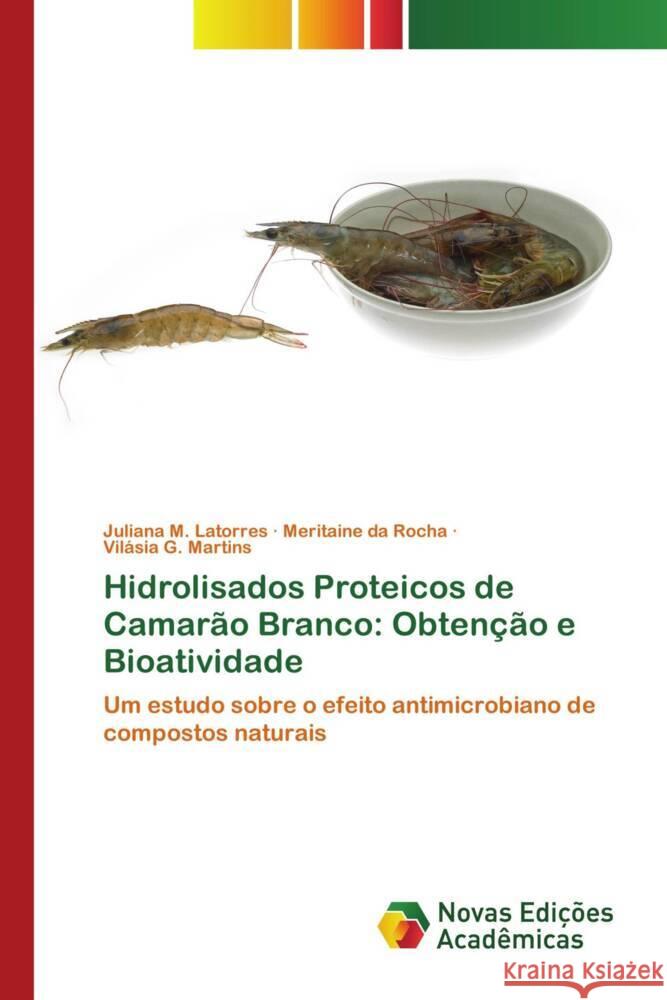
La recherche d'agents antimicrobiens naturels est à l'origine de plusieurs recherches dans le domaine de la science et de la technologie alimentaires, car plusieurs agents antimicrobiens synthétiques ont des effets indésirables sur l'organisme et présentent une efficacité réduite contre les agents pathogènes résistants. Dans ce sens, les hydrolysats de protéines apparaissent comme une alternative importante pour les chercheurs de la région. Les hydrolysats protéiques sont des composés naturels constitués de peptides à chaîne courte qui, lorsqu'ils sont libérés par des...
La recherche d'agents antimicrobiens naturels est à l'origine de plusieurs recherches dans le domaine de la science et de la technologie alimentaires...
Latorres, Juliana M., da Rocha, Meritaine, Martins, Vilásia G.
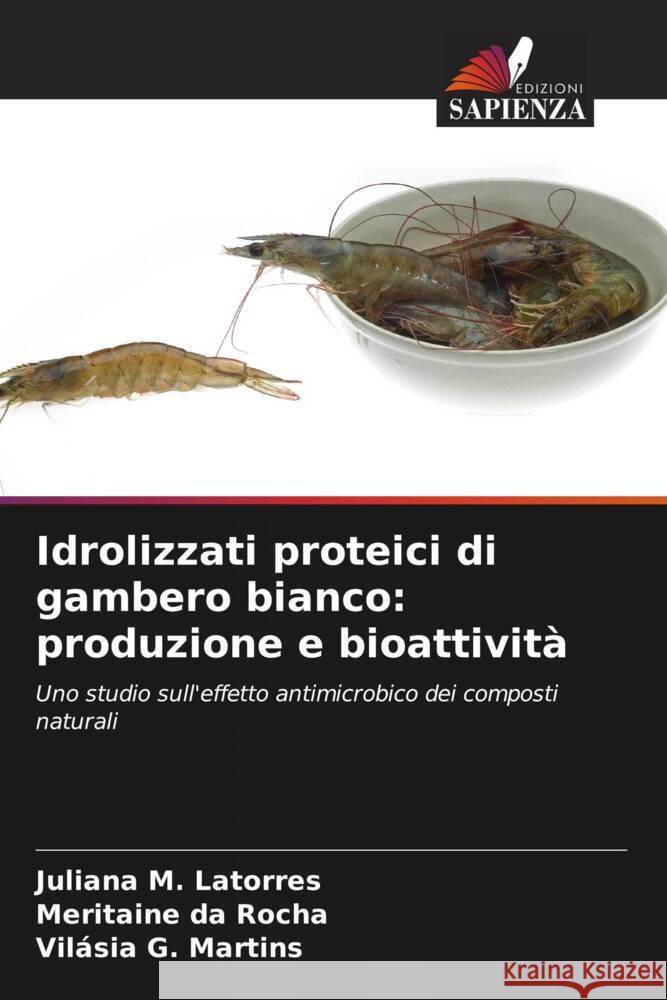
The search for natural antimicrobial agents drives several researches in the area of food science and technology, because several synthetic antimicrobial agents offer adverse reactions to the organism and present reduced effectiveness against resistant pathogens. In this sense, the protein hydrolysates emerge as an important alternative for the researchers of the area. The protein hydrolysates are natural compounds constituted by peptides of short chain that, when liberated through hydrolysis processes can acquire different bioactive properties. Several protein sources have already been...
The search for natural antimicrobial agents drives several researches in the area of food science and technology, because several synthetic antimicrob...
Latorres, Juliana M., da Rocha, Meritaine, Martins, Vilásia G.
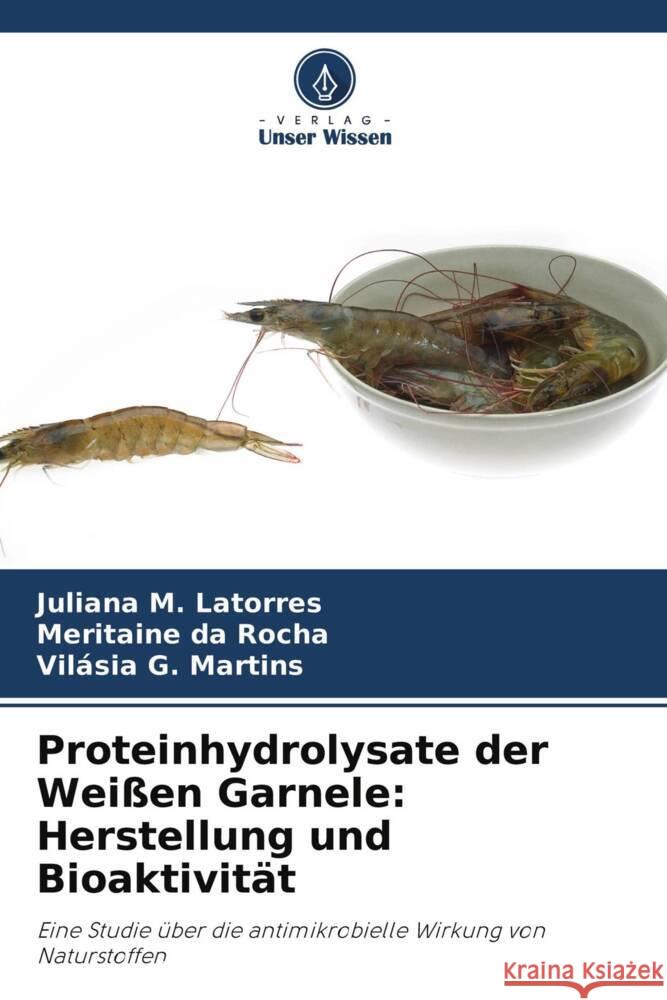
Die Suche nach natürlichen antimikrobiellen Wirkstoffen treibt zahlreiche Forschungen im Bereich der Lebensmittelwissenschaft und -technologie voran, da mehrere synthetische antimikrobielle Wirkstoffe negative Reaktionen auf den Organismus hervorrufen und eine geringere Wirksamkeit gegen resistente Krankheitserreger aufweisen. In diesem Sinne erscheinen die Proteinhydrolysate als eine wichtige Alternative für die Forscher in diesem Bereich. Die Proteinhydrolysate sind natürliche Verbindungen, die aus kurzkettigen Peptiden bestehen, die, wenn sie durch Hydrolyseprozesse freigesetzt werden,...
Die Suche nach natürlichen antimikrobiellen Wirkstoffen treibt zahlreiche Forschungen im Bereich der Lebensmittelwissenschaft und -technologie voran,...
da Rocha, Meritaine, da Costa de Quadros, Camila, Leão Gouveia, Helena
The increase in the consumption of aquatic food products has resulted in an increase in fish processing wastes and research groups around the world have been working on converting these wastes into useful food and bioactive compounds. These by-products are a significant source of protein, and other components, such as bioactive compounds. The identification of bioactive compounds from marine and aquaculture sources has been a major effort in several researches in the world. These raw materials serve as a rich source of functional materials such as collagen, gelatin, and polysaccharides as...
The increase in the consumption of aquatic food products has resulted in an increase in fish processing wastes and research groups around the world ha...
da Rocha, Meritaine, C. de Quadros, Camila, Prentice, Carlos
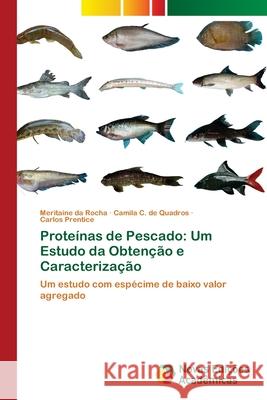
Skeletal muscle proteins are organized according to their solubility or biological function. The solubility of these proteins depends on their cellular location and they comprise three classes of proteins, identified as sarcoplasmic, myofibrillar and stromal. Sarcoplasmic, myofibrillar and stromal proteins comprise 20 to 30%, 65 to 75% and 3 to 10% of the total protein present in fish muscle. Myofibrillar proteins, which are important for gel formation and water retention, are insoluble in water but soluble in concentrated salt solutions. Protein isolates are commonly obtained by the...
Skeletal muscle proteins are organized according to their solubility or biological function. The solubility of these proteins depends on their cellula...
da Rocha, Meritaine, C. de Quadros, Camila, Prentice, Carlos
Les protéines des muscles squelettiques sont organisées selon leur solubilité ou leur fonction biologique. La solubilité de ces protéines dépend de leur localisation cellulaire et elles comprennent trois classes de protéines, identifiées comme sarcoplasmiques, myofibrillaires et stromales. Les protéines sarcoplasmiques, myofibrillaires et stromales représentent 20 à 30 %, 65 à 75 % et 3 à 10 % des protéines totales présentes dans le muscle de poisson. Les protéines myofibrillaires, qui sont importantes pour la formation de gel et la rétention d'eau, sont insolubles dans l'eau...
Les protéines des muscles squelettiques sont organisées selon leur solubilité ou leur fonction biologique. La solubilité de ces protéines dépend...