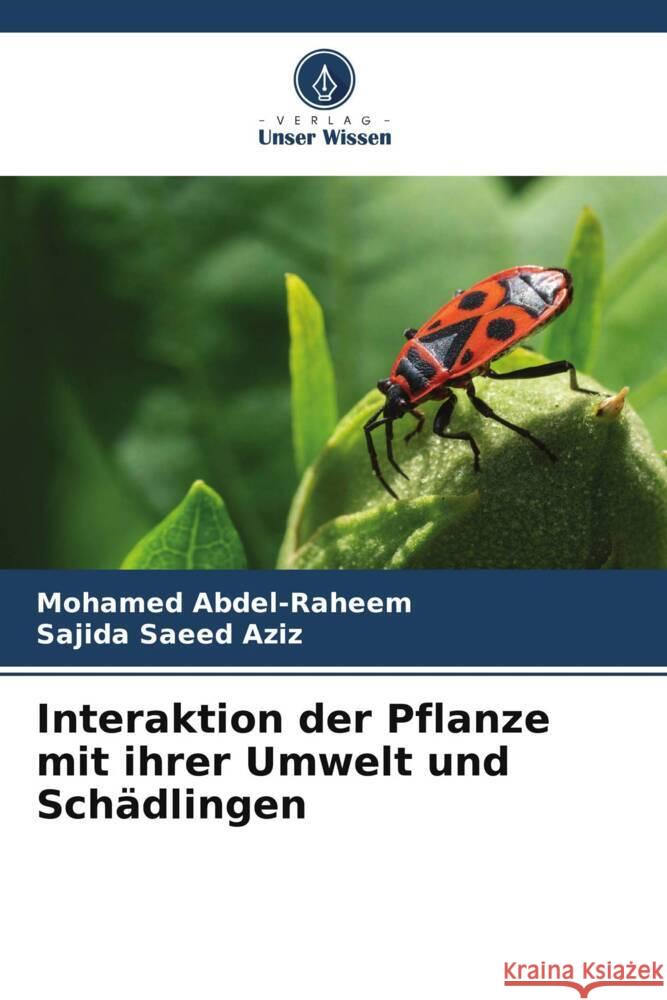
Pflanzen und Insekten haben sich über Millionen von Jahren gemeinsam entwickelt, was zu komplexen und dynamischen Interaktionen geführt hat, die die biologische Vielfalt auf unserem Planeten geprägt haben. Die Beziehungen zwischen Pflanzen und Insekten können Merkmale von Mutualismus, Antagonismus und Kommensalismus aufweisen. Die Interaktionen zwischen Pflanzen und Insekten haben erhebliche Auswirkungen auf das Funktionieren von Agrarökosystemen und deren Dienstleistungen. Daher ist das Verständnis der komplexen Beziehungen zwischen Pflanzen und Insekten von entscheidender Bedeutung...
Pflanzen und Insekten haben sich über Millionen von Jahren gemeinsam entwickelt, was zu komplexen und dynamischen Interaktionen geführt hat, die die...
Les plantes et les insectes ont évolué ensemble pendant des millions d'années, donnant lieu à des interactions complexes et dynamiques qui ont façonné la biodiversité de notre planète. Les relations plantes-insectes peuvent présenter des caractéristiques de mutualisme, d'antagonisme et de commensalisme. Les interactions plantes-insectes ont des implications significatives sur le fonctionnement des agroécosystèmes et les services qu'ils rendent. Il est donc essentiel de comprendre les relations complexes entre les plantes et les insectes pour assurer une agriculture durable et une...
Les plantes et les insectes ont évolué ensemble pendant des millions d'années, donnant lieu à des interactions complexes et dynamiques qui ont faÃ...
Kadhum Al-Mussawi, Zahraa, Ahmed Al-Khawildi, Lubna, Abdel-Raheem, Mohamed
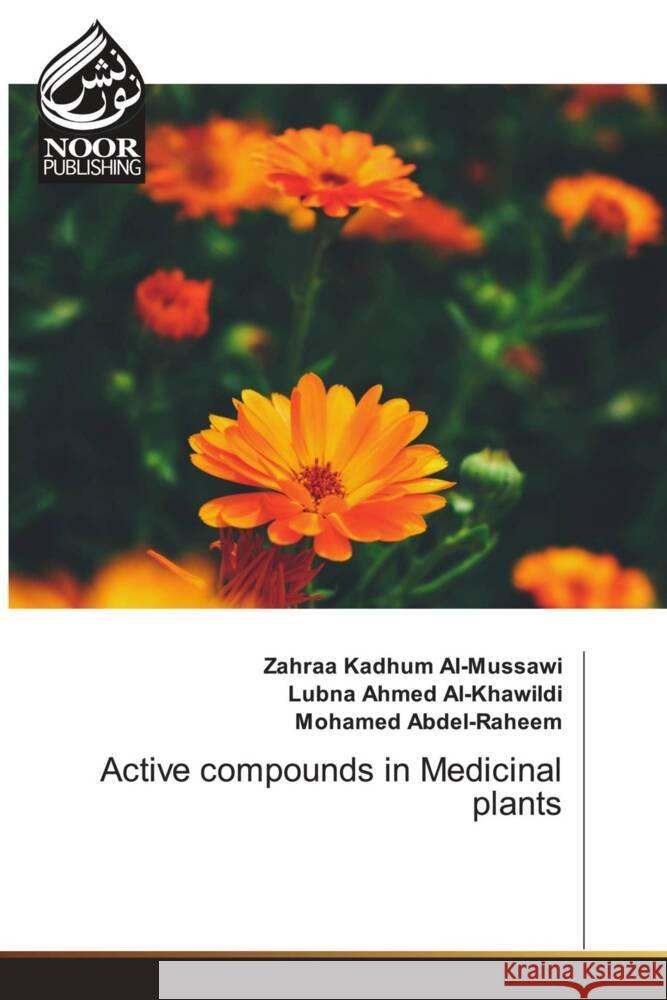
Plants produce many chemicals that are biologically active, not just in themselves, but also in other organisms. Some of these chemicals enhance their own survival. Some plants produce chemicals that act as herbicides to inhibit the growth of competing plants, such as the salicylic acid produced by willows. Other plants produce substances that deter browsing by insects and herbivores. Below are several examples of active plant ingredients that provide medicinal plant uses for humans.
Plants produce many chemicals that are biologically active, not just in themselves, but also in other organisms. Some of these chemicals enhance their...
Nanotechnology is the understanding and control of matter at the nanoscale, at dimensions between approximately 1 and 100 nanometers, where unique phenomena enable novel applications. Matter can exhibit unusual physical, chemical, and biological properties at the nanoscale, differing in important ways from the properties of bulk materials, single atoms, and molecules. Some nanostructured materials are stronger or have different magnetic properties compared to other forms or sizes of the same material. Others are better at conducting heat or electricity. They may become more chemically...
Nanotechnology is the understanding and control of matter at the nanoscale, at dimensions between approximately 1 and 100 nanometers, where unique phe...
The technique for controlling pests around the world has been recognized as Integrated Pest Management (IPM). Using The sterile insect technique, transgenic technology to create insect-resistant plants can offer a solution to the restricted availability of highly insect-resistant cultivars. Nanotechnology has developed Nanosensors capable of detecting pathogens at amounts as low as parts per billion. Also has solutions for degrading chemicals into harmless and often beneficial materials. The tools of nanotechnology can address the urgent issues of environmental protection from pollution.
The technique for controlling pests around the world has been recognized as Integrated Pest Management (IPM). Using The sterile insect technique, tran...
Agricultural pests include plant pathogens (Entomopathogenic fungi). There are estimated to be about 67,000 different pest species. They are constraint on agricultural production, responsible for around 40% loss of potential global crop yields. These losses occur despite the considerable efforts made at pest control, and they suggest that control on pest management are the best way forward for improving yields and access to food. Pest problems are inevitable part of agriculture.They occur seriously because systems of agriculture are very simplified, not stable modifications of natural...
Agricultural pests include plant pathogens (Entomopathogenic fungi). There are estimated to be about 67,000 different pest species. They are constrain...
Seit Jahrhunderten versucht der Mensch, Insektenpopulationen zu bekämpfen, die Produktionsverluste in der Landwirtschaft verursachen, und häufig werden chemische Insektizide zur Bekämpfung dieser Schädlinge eingesetzt. Leider trägt der extensive Einsatz chemischer Pestizide zu einer Vielzahl von Problemen bei, wie z. B. Gesundheitsrisiken für die Landwirte, Probleme mit der Lebensmittelsicherheit, Verringerung der biologischen Vielfalt, Verringerung oder Verlust natürlicher Feinde, Bestäuber und anderer Nichtzielorganismen sowie das Auftreten von Pestizidresistenzen. In der...
Seit Jahrhunderten versucht der Mensch, Insektenpopulationen zu bekämpfen, die Produktionsverluste in der Landwirtschaft verursachen, und häufig wer...