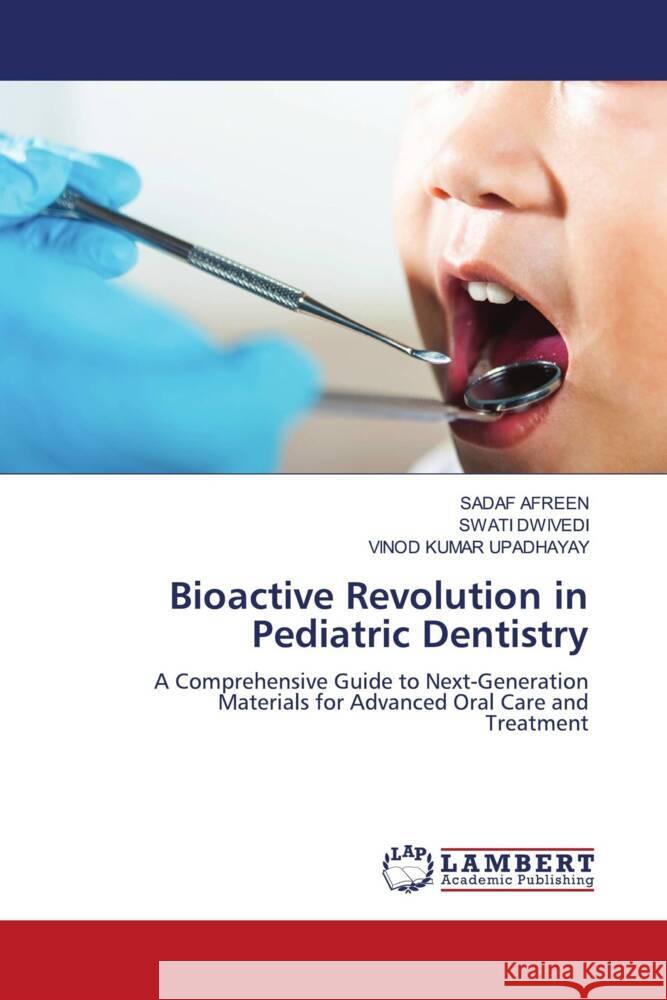
Bioactive materials in pediatric dentistry interact with biological tissues, release beneficial ions, and promote remineralization, making them valuable for preventing and treating dental caries in children. These materials release calcium, phosphate, and fluoride ions, enhancing tooth repair and protection. Common bioactive materials include glass ionomer cement (GIC), resin-modified GIC, calcium silicate-based cements (e.g., MTA, Biodentine), bioceramic sealers, and hydroxyapatite-based materials. They offer advantages like fluoride release, remineralization, biocompatibility, antimicrobial...
Bioactive materials in pediatric dentistry interact with biological tissues, release beneficial ions, and promote remineralization, making them valuab...
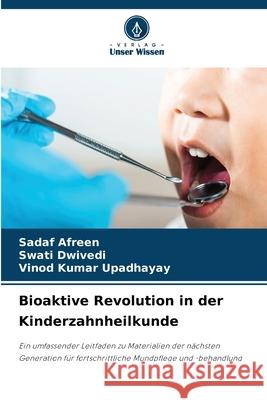
Bioaktive Materialien in der Kinderzahnheilkunde interagieren mit biologischem Gewebe, setzen nützliche Ionen frei und fördern die Remineralisierung, was sie für die Prävention und Behandlung von Karies bei Kindern wertvoll macht. Diese Materialien setzen Kalzium-, Phosphat- und Fluoridionen frei und verbessern so die Reparatur und den Schutz der Zähne. Zu den gängigen bioaktiven Materialien gehören Glasionomerzement (GIC), kunststoffmodifizierter GIC, Zemente auf Kalziumsilikatbasis (z. B. MTA, Biodentine), biokeramische Versiegelungen und Materialien auf Hydroxylapatitbasis. Sie...
Bioaktive Materialien in der Kinderzahnheilkunde interagieren mit biologischem Gewebe, setzen nützliche Ionen frei und fördern die Remineralisierung...
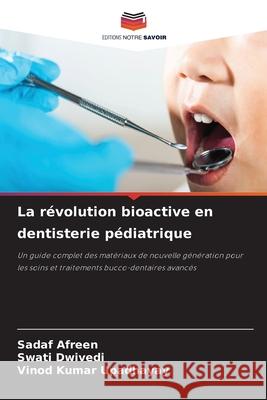
Les matériaux bioactifs utilisés en dentisterie pédiatrique interagissent avec les tissus biologiques, libèrent des ions bénéfiques et favorisent la reminéralisation, ce qui les rend précieux pour la prévention et le traitement des caries dentaires chez les enfants. Ces matériaux libèrent des ions de calcium, de phosphate et de fluorure, améliorant ainsi la réparation et la protection des dents. Les matériaux bioactifs courants comprennent le ciment verre ionomère (GIC), le GIC modifié par de la résine, les ciments à base de silicate de calcium (par exemple, MTA,...
Les matériaux bioactifs utilisés en dentisterie pédiatrique interagissent avec les tissus biologiques, libèrent des ions bénéfiques et favorisen...