Bioactive Revolution in Pediatric Dentistry » książka





Bioactive Revolution in Pediatric Dentistry
ISBN-13: 9786208441135 / Angielski / Miękka / 2025 / 140 str.
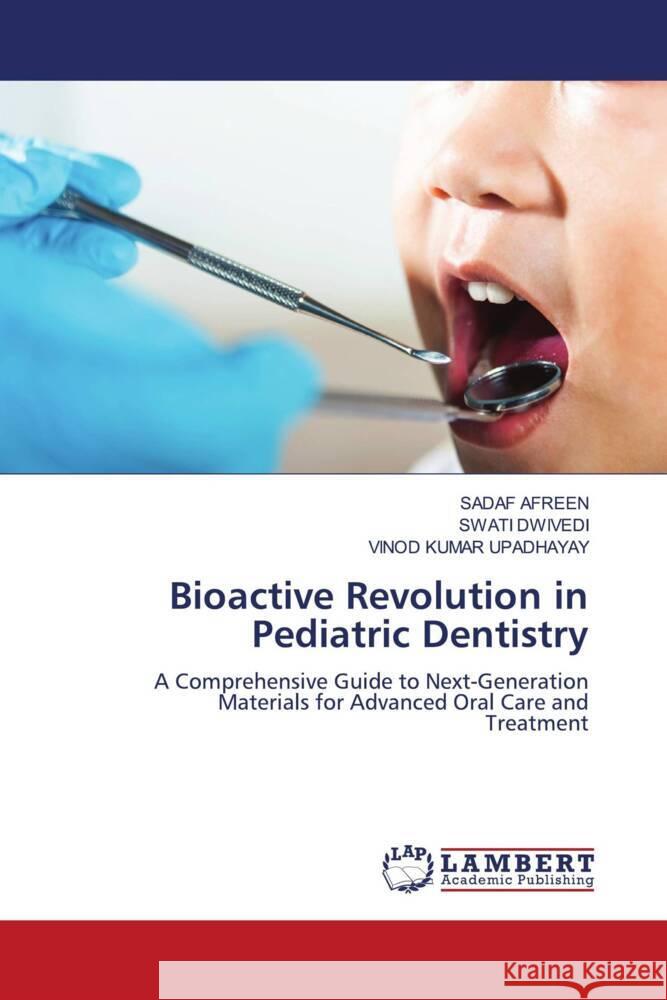
Bioactive materials in pediatric dentistry interact with biological tissues, release beneficial ions, and promote remineralization, making them valuable for preventing and treating dental caries in children. These materials release calcium, phosphate, and fluoride ions, enhancing tooth repair and protection. Common bioactive materials include glass ionomer cement (GIC), resin-modified GIC, calcium silicate-based cements (e.g., MTA, Biodentine), bioceramic sealers, and hydroxyapatite-based materials. They offer advantages like fluoride release, remineralization, biocompatibility, antimicrobial properties, and long-term durability. They are used in preventive and restorative treatments, including fissure sealants, cavity restorations, pulp therapy, and endodontic procedures. Despite challenges like cost, handling complexity, and esthetic concerns, advancements in nanotechnology and biomaterials are improving their properties. Smart bioactive materials that respond dynamically to oral conditions are under development, ensuring better outcomes in pediatric dental care.




Czytaj nas na:
KrainaKsiazek.PL - Księgarnia Internetowa


