Activities of Daily Living (ADLs)ADLs refer to the fundamental, everyday activities that individuals perform to care for themselves, such as:- Bathing/Showering- Dressing- Grooming- Toileting- Feeding- Mobility (e.g., walking, transferring)Instrumental Activities of Daily Living (IADLs)IADLs encompass more complex, instrumental activities that enable individuals to live independently, including:- Managing finances- Cooking/Meal preparation- Household chores- Shopping- Using the telephone- Managing medicationsBoth ADLs and IADLs are essential for assessing an individual's ability to live...
Activities of Daily Living (ADLs)ADLs refer to the fundamental, everyday activities that individuals perform to care for themselves, such as:- Bathing...
Traumatic Brain Injury: A Comprehensive Guide explores the silent epidemic of TBI, from concussions to severe trauma. Covering epidemiology, pathophysiology, and cutting-edge treatments, it examines prevention, acute care, rehabilitation, and long-term recovery. The book highlights risks like CTE (Chronic Traumatic Encephalopathy), discusses challenges in diagnosis and management, and offers insights for clinicians, survivors, and families navigating TBI's life-altering effects. With research-backed strategies and real-world case studies, this guide is an essential resource for...
Traumatic Brain Injury: A Comprehensive Guide explores the silent epidemic of TBI, from concussions to severe trauma. Covering epidemiology, pathophys...
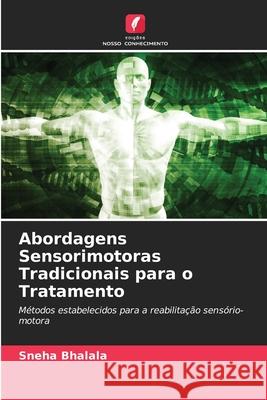
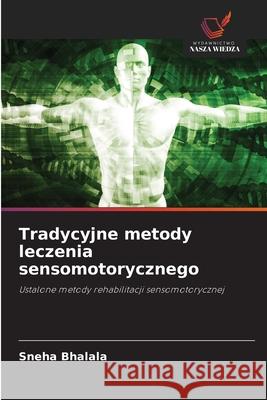
**Traditional Sensorimotor Approaches for Treatment**Sensorimotor approaches have long been fundamental in the treatment of individuals with neurological and developmental disorders. These approaches integrate sensory input and motor responses to enhance functional movement, coordination, and overall physical abilities. Traditional sensorimotor techniques have been widely used in rehabilitation, particularly for patients with conditions such as cerebral palsy, stroke, traumatic brain injury, and other neuromuscular impairments. This article explores the key principles, techniques, and...
**Traditional Sensorimotor Approaches for Treatment**Sensorimotor approaches have long been fundamental in the treatment of individuals with neurologi...
Attention-Deficit/Hyperactivity Disorder (ADHD) is a common neurodevelopmental disorder that typically begins in childhood. It is characterized by symptoms such as inattention, hyperactivity, and impulsivity that interfere with daily functioning and development. Children with ADHD may struggle with focusing, sitting still, following instructions, and controlling impulses.There are three main types:Predominantly Inattentive TypePredominantly Hyperactive-Impulsive TypeCombined TypeThe exact cause of ADHD is not fully known but is believed to involve genetic, neurological, and environmental...
Attention-Deficit/Hyperactivity Disorder (ADHD) is a common neurodevelopmental disorder that typically begins in childhood. It is characterized by sym...
This comprehensive guide explores the science of motor learning and its critical role in neurorehabilitation. Grounded in dynamic systems theory, it examines how the brain relearns movement after stroke, TBI, and other neurological injuries. Key topics include:Task-oriented approaches that use meaningful activities to drive recoveryConstraint-Induced Movement Therapy (CIMT) to overcome "learned nonuse"Cutting-edge interventions like robotics and virtual realityBilateral training techniques that harness neural plasticityWith evidence-based strategies and clinical case studies, this book equips...
This comprehensive guide explores the science of motor learning and its critical role in neurorehabilitation. Grounded in dynamic systems theory, it e...
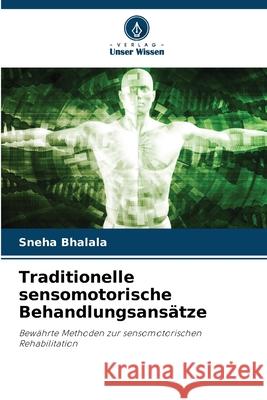
**Traditionelle sensomotorische Behandlungsansätze**Sensomotorische Ansätze sind seit langem von grundlegender Bedeutung für die Behandlung von Menschen mit neurologischen und Entwicklungsstörungen. Diese Ansätze integrieren sensorischen Input und motorische Reaktionen, um funktionelle Bewegung, Koordination und allgemeine körperliche Fähigkeiten zu verbessern. Traditionelle sensomotorische Techniken sind in der Rehabilitation weit verbreitet, insbesondere bei Patienten mit Erkrankungen wie Zerebralparese, Schlaganfall, traumatischen Hirnverletzungen und anderen neuromuskulären...
**Traditionelle sensomotorische Behandlungsansätze**Sensomotorische Ansätze sind seit langem von grundlegender Bedeutung für die Behandlung von Men...
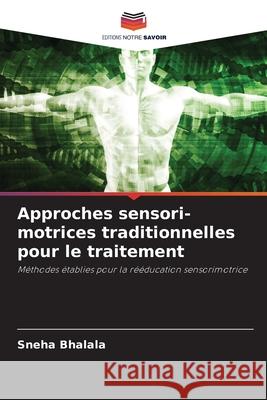
**Approches sensori-motrices traditionnelles pour le traitement**Les approches sensori-motrices sont depuis longtemps fondamentales dans le traitement des personnes souffrant de troubles neurologiques et du développement. Ces approches intègrent les données sensorielles et les réponses motrices afin d'améliorer les mouvements fonctionnels, la coordination et les capacités physiques globales. Les techniques sensorimotrices traditionnelles ont été largement utilisées en rééducation, en particulier pour les patients atteints de paralysie cérébrale, d'accident vasculaire cérébral,...
**Approches sensori-motrices traditionnelles pour le traitement**Les approches sensori-motrices sont depuis longtemps fondamentales dans le traitement...
Das Aufmerksamkeitsdefizit-/Hyperaktivitätssyndrom (ADHS) ist eine häufige neurologische Entwicklungsstörung, die in der Regel in der Kindheit beginnt. Sie ist durch Symptome wie Unaufmerksamkeit, Hyperaktivität und Impulsivität gekennzeichnet, die das tägliche Funktionieren und die Entwicklung beeinträchtigen. Kinder mit ADHS können Schwierigkeiten haben, sich zu konzentrieren, still zu sitzen, Anweisungen zu befolgen und Impulse zu kontrollieren.Es werden drei Haupttypen unterschieden:Überwiegend unaufmerksamer TypÜberwiegend hyperaktiv-impulsiver TypKombinierter TypDie genaue...
Das Aufmerksamkeitsdefizit-/Hyperaktivitätssyndrom (ADHS) ist eine häufige neurologische Entwicklungsstörung, die in der Regel in der Kindheit begi...