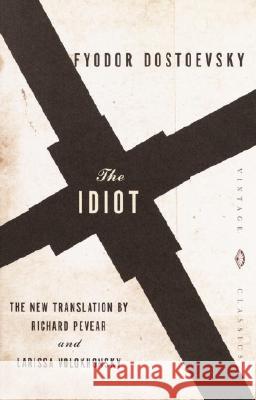
Richard Pevear and Larissa Volokhonsky's masterful translation of The Idiot is destined to stand with their versions of Crime and Punishment, The Brothers Karamazov, and Demons as the definitive Dostoevsky in English. After his great portrayal of a guilty man in Crime and Punishment, Dostoevsky set out in The Idiot to portray a man of pure innocence. The twenty-six-year-old Prince Myshkin, following a stay of several years in a Swiss sanatorium, returns to Russia to collect an inheritance and "be among people." Even before he reaches home...
Richard Pevear and Larissa Volokhonsky's masterful translation of The Idiot is destined to stand with their versions of Crime and Punishment...
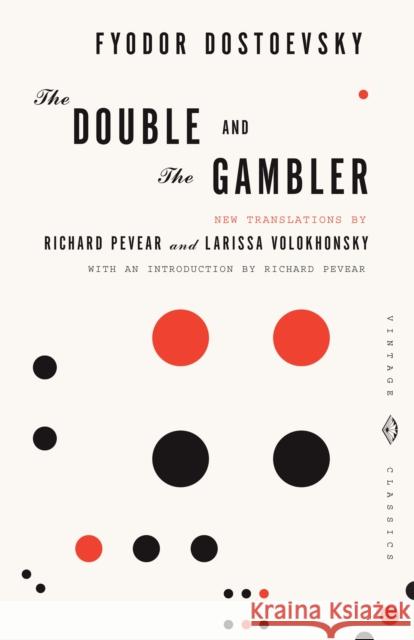
The award-winning translators Richard Pevear and Larissa Volokhonsky have given us the definitive version of Fyodor Dostoevsky's strikingly original short novels, The Double and The Gambler.The Double is a surprisingly modern hallucinatory nightmare-foreshadowing Kafka and Sartre-in which a minor official named Goliadkin becomes aware of a mysterious doppelganger, a man who has his name and his face and who gradually and relentlessly begins to displace him with his friends and colleagues. The Gambler is a stunning psychological portrait of a young man's exhilarating and...
The award-winning translators Richard Pevear and Larissa Volokhonsky have given us the definitive version of Fyodor Dostoevsky's strikingly original s...
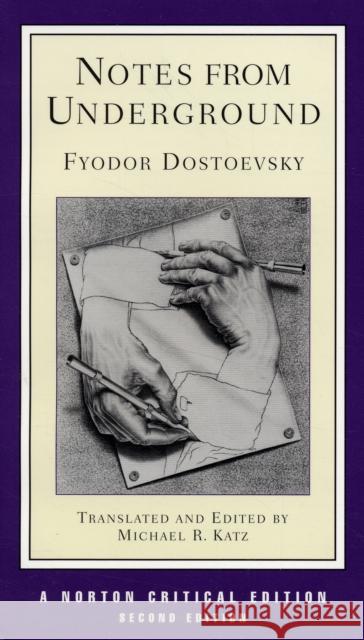
"Backgrounds and Sources" includes relevant writings by Dostoevsky, among them "Winter Notes on Summer Impressions," the author s account of a formative trip to the West. New to the Second Edition are excerpts from V. F. Odoevksy s "Russian Nights" and I. S. Turgenev s "Hamlet of Shchigrovsk District." In "Responses," Michael Katz links this seminal novel to the theme of the underground man in six famous works, two of them new to the Second Edition: an excerpt from M. E. Saltykov-Shchedrin s The Swallows, Woody Allen s Notes from the Overfed, Robert Walser s The Child, an excerpt from Ralph...
"Backgrounds and Sources" includes relevant writings by Dostoevsky, among them "Winter Notes on Summer Impressions," the author s account of a formati...
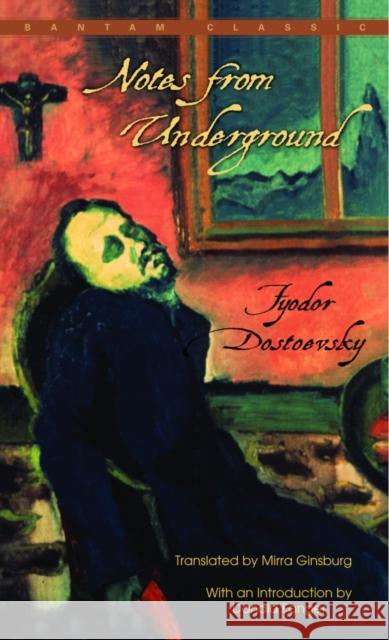
-I am a sick man . . . I am a spiteful man, - the irascible voice of a nameless narrator cries out. And so, from underground, emerge the passionate confessions of a suffering man; the brutal self-examination of a tormented soul; the bristling scorn and iconoclasm of alienated individual who has become one of the greatest antiheroes in all literature. Notes From Underground, published in 1864, marks a tuming point in Dostoevsky's writing: it announces the moral political, and social ideas he will treat on a monumental scale in Crime And Punishment, The Idiot, and The...
-I am a sick man . . . I am a spiteful man, - the irascible voice of a nameless narrator cries out. And so, from underground, emerge the passionate co...
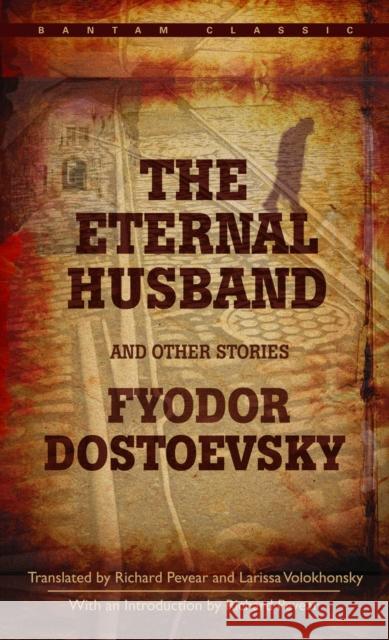
The Eternal Husband and Other Stories brings together five of Dostoevsky's short masterpieces rendered into English by two of the most celebrated Dostoevsky translators of our time. Filled with many of the themes and concerns central to his great novels, these short works display the full range of Dostoevsky's genius. The centerpiece of this collection, the short novel The Eternal Husband, describes the almost surreal meeting of a cuckolded widower and his dead wife's lover. Dostoevsky's dark brilliance and satiric vision infuse the other four tales with all-too-human...
The Eternal Husband and Other Stories brings together five of Dostoevsky's short masterpieces rendered into English by two of the most celebrat...
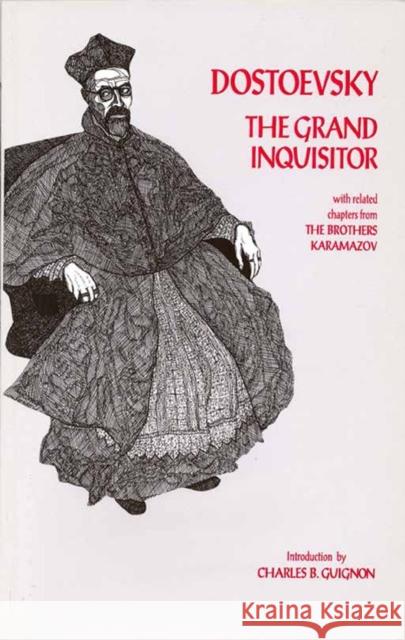
This new edition presents The Grand Inquisitor together with the preceding chapter, Rebellion, and the extended reply offered by Dostoevsky in the following sections, entitled The Russian Monk. By showing how Dostoevsky frames the Grand Inquisitor story in the wider context of the novel, this edition captures the subtlety and power of Dostoevsky's critique of modernity as well as his alternative vision of human fulfillment.
This new edition presents The Grand Inquisitor together with the preceding chapter, Rebellion, and the extended reply offered by Dos...
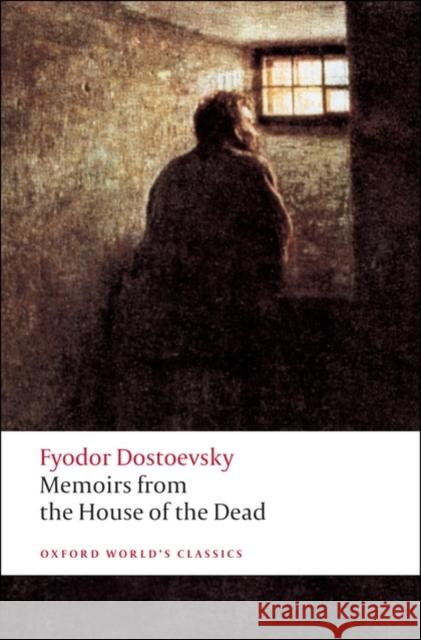
In this almost documentary account of his own experiences of penal servitude in Serbia, Dostoevsky describes the physical and mental suffering of the convicts, the squalor and the degradation, in relentless detail. The inticate procedure whereby the men strip for the bath without removing their ten-pound leg-fetters is an extraordinary tour de force, compared by Turgenev to passages from Dante's Inferno. Terror and resignation - the rampages of a pyschopath, the brief serence interlude of Christmas Day - are evoked by Dostoevsky, writing several years after his release, with a strikingly...
In this almost documentary account of his own experiences of penal servitude in Serbia, Dostoevsky describes the physical and mental suffering of the ...
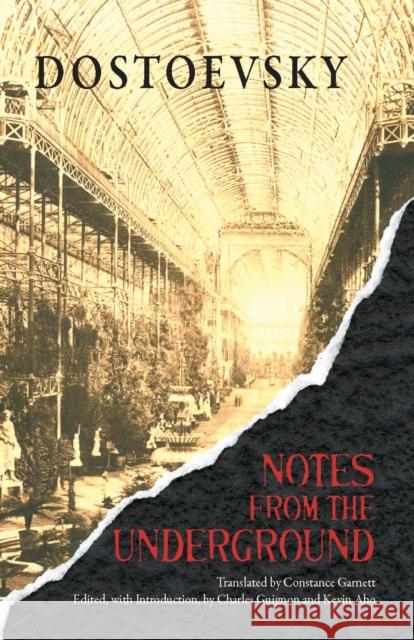
Dostoevsky's disturbing and groundbreaking novella appears in this new annotated edition with an Introduction by Charles Guignon and Kevin Aho. An analogue of Guignon's widely praised Introduction to his 1993 edition of "The Grand Inquisitor," the editors' Introduction places the underground man in the context of European modernity, analyzes his inner dynamics in the light of the history of Russian cultural and intellectual life, and suggests compelling reasons for our own strange affinity for this nameless man who boldly declares, "I was rude and took pleasure in being so. "
Dostoevsky's disturbing and groundbreaking novella appears in this new annotated edition with an Introduction by Charles Guignon and Kevin Aho. An ...
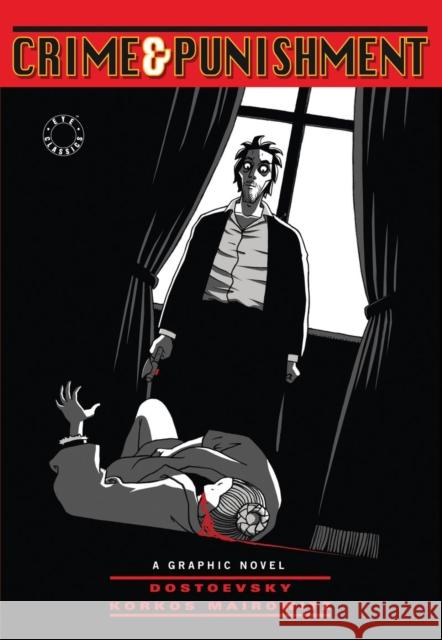
'Crime and Punishment', masterfully adapted in this graphic novel, explores the mental anguish and moral dilemmas of Raskolnikov, a poor St Petersburg student who murders a miserly pawnbroker.
'Crime and Punishment', masterfully adapted in this graphic novel, explores the mental anguish and moral dilemmas of Raskolnikov, a poor St Petersburg...
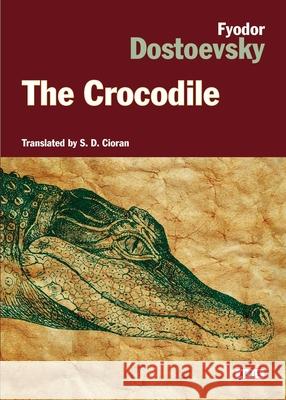
Dostoevsky is best known for his understanding of the dark side of human nature, butThe Crocodile proves he was equally adept at sarcastic, absurdist observations.
Dostoevsky is best known for his understanding of the dark side of human nature, butThe Crocodile proves he was equally adept at sarcastic, a...