Through the story of an ordinary man unwittingly drawn into a senseless murder on an Algerian beach, Camus explored what he termed -the nakedness of man faced with the absurd.- First published in 1946; now in a new translation by Matthew Ward.
Through the story of an ordinary man unwittingly drawn into a senseless murder on an Algerian beach, Camus explored what he termed -the nakedness of m...
Throughout history, some books have changed the world. They have transformed the way we see ourselves - and each other. They have inspired debate, dissent, war and revolution. They have enlightened, outraged, provoked and comforted. They have enriched lives - and destroyed them. Now Penguin brings you the works of the great thinkers, pioneers, radicals and visionaries whose ideas shook civilization and helped make us who we are. Inspired by the myth of a man condemned to ceaselessly push a rock up a mountain and watch it roll back to the valley below, The Myth of Sisyphus transformed...
Throughout history, some books have changed the world. They have transformed the way we see ourselves - and each other. They have inspired debate, dis...
A daring critique of communism and how it had gone wrong behind the Iron Curtain, Camus' essay examines the revolutions in France and Russia, and argues that since they were both guilty of producing tyranny and corruption, hope for the future lies only in revolt without revolution. Throughout history, some books have changed the world. They have transformed the way we see ourselves - and each other. They have inspired debate, dissent, war and revolution. They have enlightened, outraged, provoked and comforted. They have enriched lives - and destroyed them. Now Penguin brings you the works of...
A daring critique of communism and how it had gone wrong behind the Iron Curtain, Camus' essay examines the revolutions in France and Russia, and argu...
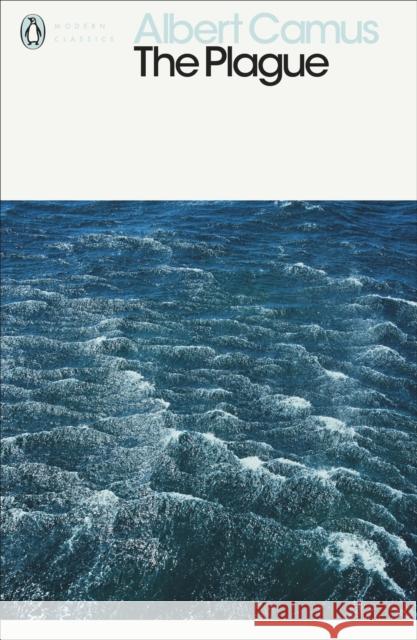
The Plague by Albert Camus is an extraordinary odyssey into the darkness and absurdity of human existence. 'On the morning of April 16, Dr Rieux emerged from his consulting-room and came across a dead rat in the middle of the landing.' It starts with the rats. Vomiting blood, they die in their hundreds, then in their thousands. When the rats are all gone, the citizens begin to fall sick. Like the rats, they too die in ever greater numbers. The authorities quarantine the town. Cut off, the terrified townspeople must face this horror alone. Some resign themselves to death or the whims of fate....
The Plague by Albert Camus is an extraordinary odyssey into the darkness and absurdity of human existence. 'On the morning of April 16, Dr Rieux emerg...
Is life worth living? If human existence holds no significance, what can keep us from suicide? In this book, the author argues if there is no God to give meaning to our lives, humans must take on that purpose themselves. It also argues for an acceptance of reality that encompasses revolt, passion and, above all, liberty.
Is life worth living? If human existence holds no significance, what can keep us from suicide? In this book, the author argues if there is no God to g...
An essay on the nature of human revolt, this book makes a critique of communism, how it had gone wrong behind the Iron Curtain, and the resulting totalitarian regimes. It also questions two events held sacred by the left wing, the French Revolution of 1789 and the Russian Revolution of 1917.
An essay on the nature of human revolt, this book makes a critique of communism, how it had gone wrong behind the Iron Curtain, and the resulting tota...
The townspeople of Oran are in the grip of a deadly plague, which condemns its victims to a swift and horrifying death. Fear, isolation and claustrophobia follow as they are forced into quarantine. This title tells the story of bravery and determination against the precariousness of human existence.
The townspeople of Oran are in the grip of a deadly plague, which condemns its victims to a swift and horrifying death. Fear, isolation and claustroph...