The U.S. Fish and Wildlife Service has prepared a comprehensive conservation plan for the Bowdoin National Wildlife Refuge Complex in Montana. The Regional Director of the Mountain- Prairie Region of the Service selected the following alternatives from the draft comprehensive plan and environmental assessment as the preferred alternatives.
The U.S. Fish and Wildlife Service has prepared a comprehensive conservation plan for the Bowdoin National Wildlife Refuge Complex in Montana. The Reg...
The U.S. Fish and Wildlife Service manages the Bowdoin National Wildlife Refuge Complex, which covers 84,724 acres in north central Montana. The refuge complex is spread across Blaine, Hill, Phillips, and Valley Counties. With its headquarters near the town of malta, the refuge complex comprises the units in this book.
The U.S. Fish and Wildlife Service manages the Bowdoin National Wildlife Refuge Complex, which covers 84,724 acres in north central Montana. The refug...
Purpose of and need for the Comprehensive Conservation Plan under the provisions of the National Wildlife Refuge System Improvement Act of 1997, the Service is required to develop comprehensive conservation plans for all lands and waters of the National Wildlife Refuge System. These plans will guide management decisions and set forth strategies for achieving the purposes of each refuge unit.
Purpose of and need for the Comprehensive Conservation Plan under the provisions of the National Wildlife Refuge System Improvement Act of 1997, the S...
Fort Niobrara National Wildlife Refuge is 19,131 acres in size and located along the Niobrara River in north-central Nebraska. The Refuge is a unique and ecologically important component of the National Wildlife Refuge System which includes over 500 refuges totaling approximately 93 million acres across the United States.
Fort Niobrara National Wildlife Refuge is 19,131 acres in size and located along the Niobrara River in north-central Nebraska. The Refuge is a unique ...
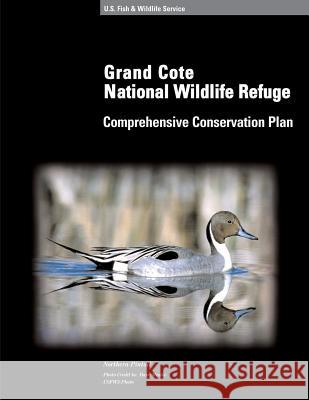
This Comprehensive Conservation Plan for Grand Cote National Wildlife Refuge was prepared to guide management actions and direction for the refuge. Fish and wildlife conservation will receive first priority in refuge management; wildlife-dependent recreation will be allowed and encouraged as long as it is compatible with, and does not detract from, the mission of the refuge or the purposes for which it was established.
This Comprehensive Conservation Plan for Grand Cote National Wildlife Refuge was prepared to guide management actions and direction for the refuge. Fi...
The U.S. Fish and Wildlife Service (Service) has completed the Comprehensive Conservation Plan (CCP) for Howland Island National Wildlife Refuge (Refuge). The CCP will guide management of the Refuge for the next 15 years. The CCP describes the Service's preferred alternative for managing the Refuge and its effects on the human environment.
The U.S. Fish and Wildlife Service (Service) has completed the Comprehensive Conservation Plan (CCP) for Howland Island National Wildlife Refuge (Refu...
The United States Fish and Wildlife Service is the primary Federal agency responsible for conserving, protecting, and enhancing the Nation's fish and wildlife resources and their habitats. Responsibilities are shared with other Federal, state, tribal, and local entities.
The United States Fish and Wildlife Service is the primary Federal agency responsible for conserving, protecting, and enhancing the Nation's fish and ...
Forsythe Refuge is located in Atlantic, Burlington, and Ocean Counties, and consistis of two divisions: the Brigantine Division and the Barnegat Division. The Refuge extends along more than 50 miles of the coast. This Refuge was renamed in 1984 in memory of the late conservationists Congressman from New Jersey, Edwin Forsythe, through a Congressional Joint Resolution.
Forsythe Refuge is located in Atlantic, Burlington, and Ocean Counties, and consistis of two divisions: the Brigantine Division and the Barnegat Divis...
The U.S. Fish and Wildlife Service (Service) has developed this Draft Comprehensive Conservation Plan for Ernest F. Hollings ACE Basin National Wildlife Refuge (ACE Basin NWR) to guide the refuge's management actions and direction over the next 15 years. Fish and wildlife conservation will receive first priority in refuge management, while wildlife-dependent recreation will be allowed and encouraged as long as it is compatible with, and does not detract from, the mission of the refuge or the purposes for which it was established.
The U.S. Fish and Wildlife Service (Service) has developed this Draft Comprehensive Conservation Plan for Ernest F. Hollings ACE Basin National Wildli...
The National Wildlife System Administration Act of 1966, as amended by the National Wildlife Refuge System Improvement Act of 1997, requires the Service to develop a Comprehensive Conservation Plan (CCP) for each refuge. The purpose of developing a CCP is to provide refuge managers with a 15-year strategy for achieving refuge purposes and contributing toward the mission of the National Wildlife Refuge System, consistent with sound principles of fish and wildlife science, conservation, legal mandates, and Service policies.
The National Wildlife System Administration Act of 1966, as amended by the National Wildlife Refuge System Improvement Act of 1997, requires the Servi...