The fiftieth anniversary of the long entanglement between the United States and NATO is an appropriate occasion to reflect. One of the few NATO studies to concentrate on the history of the alliance, particularly the relationship between its senior partner and its European allies, this study examines critical issues in depth, to uncover the ability of the allies to surmount their internal divisions and to confront their Soviet adversary. While NATO archives are still not fully open, the use of declassified documents from the National Archives and the presidential libraries are of invaluable...
The fiftieth anniversary of the long entanglement between the United States and NATO is an appropriate occasion to reflect. One of the few NATO stu...
The fiftieth anniversary of the long entanglement between the United States and NATO is an appropriate occasion to reflect. One of the few NATO studies to concentrate on the history of the alliance, particularly the relationship between its senior partner and its European allies, this study examines critical issues in depth, to uncover the ability of the allies to surmount their internal divisions and to confront their Soviet adversary. While NATO archives are still not fully open, the use of declassified documents from the National Archives and the presidential libraries are of invaluable...
The fiftieth anniversary of the long entanglement between the United States and NATO is an appropriate occasion to reflect. One of the few NATO stu...
This history of NATO concentrates on the differences within the alliance, particularly between the US and its European partners. NATO's war against terrorism began on September 11, 2001. Invoking Article 5 was a fitting response to the assault on the United States, but the spirit did not last long. Within a few weeks, old fissures within the alliance re-emerged, threatening once again to dissolve an entity that had survived over half a century. In the first two generations of NATO's existence, the Cold War with the Soviet Union had been the major purpose of its existence. But since the...
This history of NATO concentrates on the differences within the alliance, particularly between the US and its European partners. NATO's war against...
This history of NATO concentrates on the differences within the alliance, particularly between the US and its European partners. NATO's war against terrorism began on September 11, 2001. Invoking Article 5 was a fitting response to the assault on the United States, but the spirit did not last long. Within a few weeks, old fissures within the alliance re-emerged, threatening once again to dissolve an entity that had survived over half a century. In the first two generations of NATO's existence, the Cold War with the Soviet Union had been the major purpose of its existence. But since the...
This history of NATO concentrates on the differences within the alliance, particularly between the US and its European partners. NATO's war against...
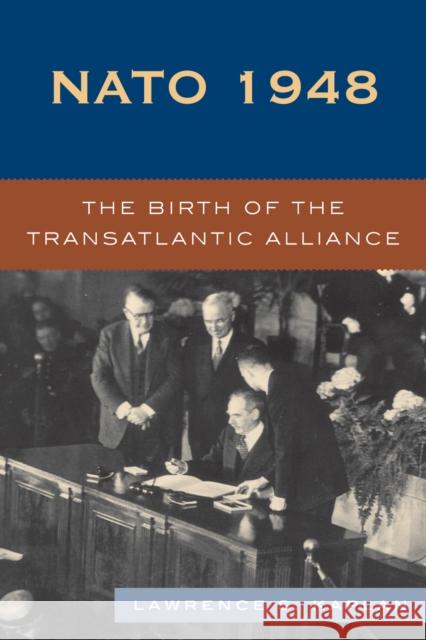
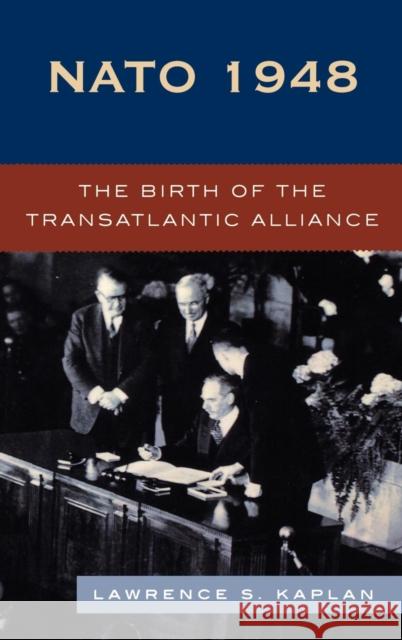
This compelling history brings to life the watershed year of 1948, when the United States reversed its long-standing position of political and military isolation from Europe and agreed to an "entangling alliance" with ten European nations. Not since 1800, when the United States ended its alliance with France, had the nation made such a commitment. The historic North Atlantic Treaty was signed on April 4, 1949, but the often-contentious negotiations stretched throughout the preceding year. Lawrence S. Kaplan, the leading historian of NATO, traces the tortuous and dramatic process, which...
This compelling history brings to life the watershed year of 1948, when the United States reversed its long-standing position of political and militar...
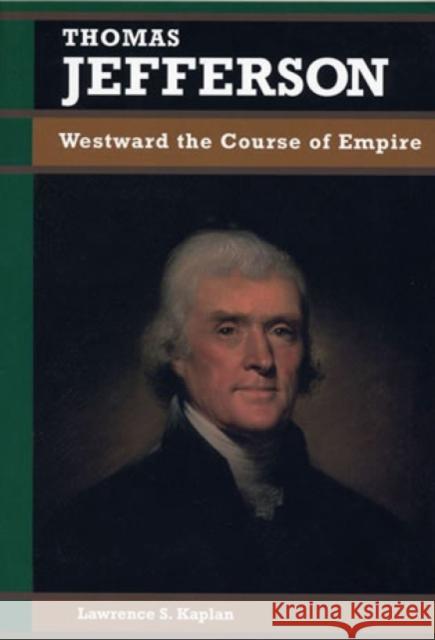
Focuses on Thomas Jefferson's role as a maker of foreign policy. This biography explores how the concept of the United States' westward expansion worked as the moving force in forming Jefferson's judgments and actions in foreign relations.
Focuses on Thomas Jefferson's role as a maker of foreign policy. This biography explores how the concept of the United States' westward expansion work...
This compelling history brings to life the watershed year of 1948, when the United States reversed its long-standing position of political and military isolation from Europe and agreed to an "entangling alliance" with ten European nations. Not since 1800, when the United States ended its alliance with France, had the nation made such a commitment. The historic North Atlantic Treaty was signed on April 4, 1949, but the often-contentious negotiations stretched throughout the preceding year. Lawrence S. Kaplan, the leading historian of NATO, traces the tortuous and dramatic process, which...
This compelling history brings to life the watershed year of 1948, when the United States reversed its long-standing position of political and militar...
Written over a thirty-year period, the essays included in this volume develop one central theme: the completion of American isolationism in the formative years of the nation. Isolationism, in Kaplan's view, is not to be taken as economic or cultural independence but as abstention from political or military obligations to Europe, from alliances or from purposeful entanglement in the European balance of power. This study focuses on the assertion that Thomas Jefferson was central to the making of American foreign policy from the Revolution to 1803. But Kaplan's view is not always supportive of...
Written over a thirty-year period, the essays included in this volume develop one central theme: the completion of American isolationism in the format...