Lawrence S. Kaplan Lyman L Lemnitzer Center for NATO Studie
For more than 40 years, the Atlantic Alliance has been the major U.S. foreign policy commitment of every administration. Through political and military commitments to 11, and ultimately 15, other nations, the United States through NATO had abandoned an isolationist tradition of more than 150 years. However, important as this step was, few historians of American foreign relations have given prominence to the alliance in their studies. In this volume, produced from a conference sponsored by the U.S. delegation to NATO in 1989, seven American diplomatic historians focus their attention (some...
For more than 40 years, the Atlantic Alliance has been the major U.S. foreign policy commitment of every administration. Through political and mili...
Originally published in 2006, this volume from the History Office of the Office of the Secretary of Defense provides a narrative history and assessment of the early years of Robert McNamara's tenure as Secretary of Defense, including McNamara's relationship with Presidents Kennedy and Johnson, the transformation of the Department of Defense as a part of Kennedy's New Frontier, and the Pentagon's handling of the Cuban Missile Crisis, Bay of Pigs episode, and onset of the Vietnam War along with other major national security events and developments during a turbulent and momentous period of the...
Originally published in 2006, this volume from the History Office of the Office of the Secretary of Defense provides a narrative history and assessmen...
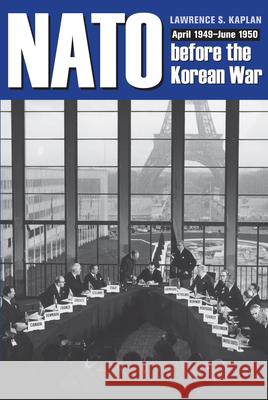
A reexamination of the formative years of the North Atlantic Treaty Organization
Conventional wisdom has the Korean War putting the "O" in NATO. Prior to that time, from the signing of the North Atlantic Treaty on April 4, 1949, to the North Korean invasion of South Korea on June 25, 1950, the Treaty allies were just going through the motions of establishing an organization. Historian Lawrence Kaplan argues that this is a mistaken view, and he fills significant blanks in the record of 1949 and 1950, which NATO officials and analysts alike have largely ignored.
...
A reexamination of the formative years of the North Atlantic Treaty Organization
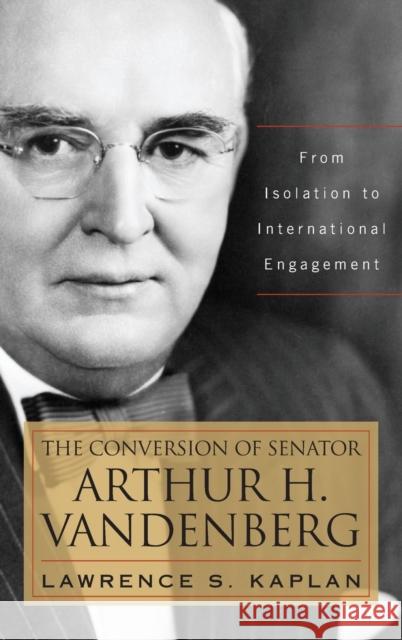
The United States has looked inward throughout most of its history, preferring to avoid "foreign entanglements," as George Washington famously advised. After World War II, however, Americans became more inclined to break with the past and take a prominent place on the world stage. Much has been written about the influential figures who stood at the center of this transformation, but remarkably little attention has been paid to Arthur H. Vandenberg (1884--1951), who played a crucial role in moving the nation from its isolationist past to an internationalist future.
Vandenberg served...
The United States has looked inward throughout most of its history, preferring to avoid "foreign entanglements," as George Washington famously advi...