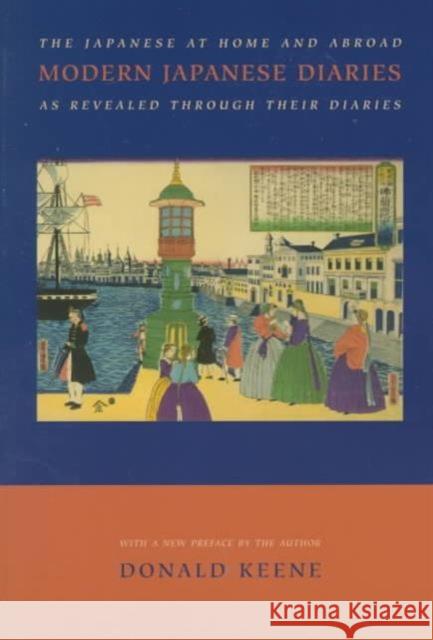
This is a collection of journals written by Japanese men and women--from samurai and other government officials to novelists and poets--who journeyed to America, Europe, and China between 1860 and 1920. The diaries faithfully record personal views of the countries and their cultures and sentiments that range from delight to disillusionment. At once an intimate account of the travellers' lives and a testimony to the greater struggles and advances of their cultures, Donald Keene's eloquent translation and commentary invites the reader to partake in the world as each person experienced it.
This is a collection of journals written by Japanese men and women--from samurai and other government officials to novelists and poets--who journeyed ...
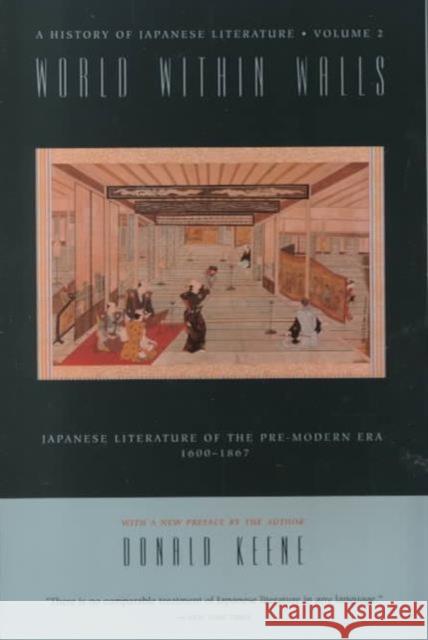
The Tokugawa family held the shogunate from 1603 to 1867, ruling Japan and keeping the island nation isolated from the rest of the world for more than 250 years. Donald Keene looks within the "walls" of isolation and meticulously chronicles the period's vast literary output, providing both lay readers and scholars with the definitive history of premodern Japanese literature. World Within Walls spans the age in which Japanese literature began to reach a popular audience--as opposed to the elite aristocratic readers to whom it had previously been confined. Keene comprehensively...
The Tokugawa family held the shogunate from 1603 to 1867, ruling Japan and keeping the island nation isolated from the rest of the world for more than...
Sources of Japanese Tradition is a best-selling classic, unrivaled for its wide selection of source readings on history, society, politics, education, philosophy, and religion in the Land of the Rising Sun. In this long-awaited second edition, the editors have revised or retranslated most of the texts in the original 1958 edition, and added a great many selections not included or translated before. They have also restructured volume 1 to span the period from the early Japanese chronicles to the end of the sixteenth century. New additions include: * readings on early and medieval Shinto...
Sources of Japanese Tradition is a best-selling classic, unrivaled for its wide selection of source readings on history, society, politics, education,...
No modern Japanese writer was more idolized than Shiga Naoya. The Paper Door and Other Stories showcases the concise, delicate art of this writer who is often called "the god of the Japanese short story." Doyen of Japanese letters Donald Keene ranks some of Shiga's stories "among the most brilliant achievements in this genre by any twentieth-century Japanese writer." Shiga's unique style is concise and simple, with no unnecessary words. With the subtlest of gestures, he evokes the fullness of experience. Lane Dunlop's masterly translation of seventeen of Shiga's finest stories has...
No modern Japanese writer was more idolized than Shiga Naoya. The Paper Door and Other Stories showcases the concise, delicate art of this writ...
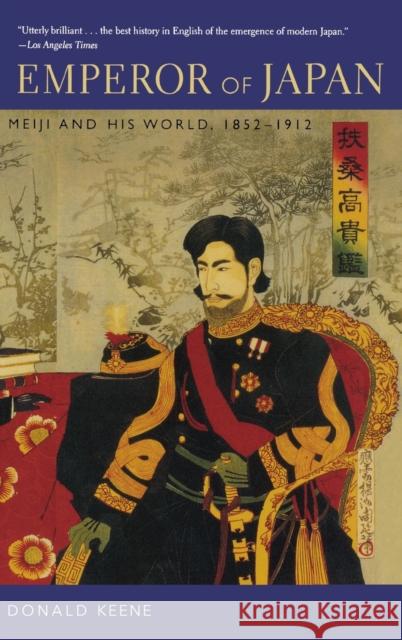
When Emperor Meiji began his rule, in 1867, Japan was a splintered empire, dominated by the shogun and the daimyos, who ruled over the country's more than 250 decentralized domains and who were, in the main, cut off from the outside world, staunchly antiforeign, and committed to the traditions of the past. Before long, the shogun surrendered to the emperor, a new constitution was adopted, and Japan emerged as a modern, industrialized state. Despite the length of his reign, little has been written about the strangely obscured figure of Meiji himself, the first emperor ever to meet a...
When Emperor Meiji began his rule, in 1867, Japan was a splintered empire, dominated by the shogun and the daimyos, who ruled over the country's more ...
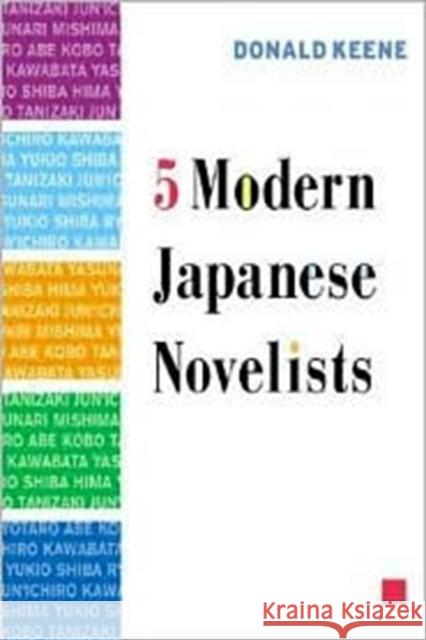
The New Yorker has called Donald Keene "America's preeminent scholar of Japanese literature." Now he presents a new book that serves as both a superb introduction to modern Japanese fiction and a memoir of his own lifelong love affair with Japanese literature and culture. Five Modern Japanese Novelistsprofiles five prominent writers whom Donald Keene knew personally: Tanizaki Jun'ichiro, Kawabata Yasunari, Mishima Yukio, Abe Kobo, and Shiba Ryotaro. Keene masterfully blends vignettes describing his personal encounters with these famous men with autobiographical observations and...
The New Yorker has called Donald Keene "America's preeminent scholar of Japanese literature." Now he presents a new book that serves as both a ...
The New Yorker has called Donald Keene "America's preeminent scholar of Japanese literature." Now he presents a new book that serves as both a superb introduction to modern Japanese fiction and a memoir of his own lifelong love affair with Japanese literature and culture. Five Modern Japanese Novelistsprofiles five prominent writers whom Donald Keene knew personally: Tanizaki Jun'ichiro, Kawabata Yasunari, Mishima Yukio, Abe Kobo, and Shiba Ryotaro. Keene masterfully blends vignettes describing his personal encounters with these famous men with autobiographical observations and...
The New Yorker has called Donald Keene "America's preeminent scholar of Japanese literature." Now he presents a new book that serves as both a ...
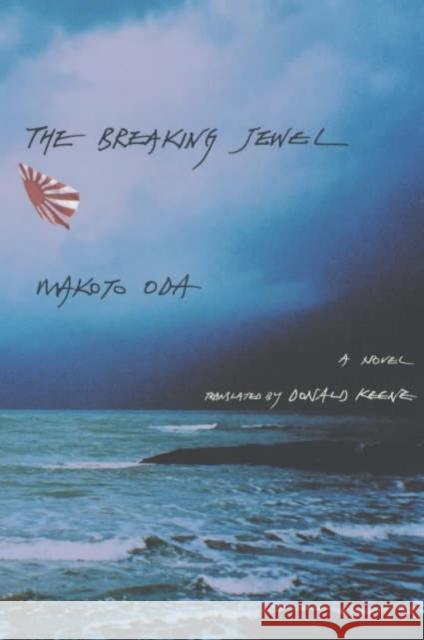
Set on an island in the South Pacific during the final days of World War II, when the tide has turned against Japan and the war has unmistakably become one of attrition, The Breaking Jewel offers a rare depiction of the Pacific War from the Japanese side and captures the essence of Japan's doomed imperial aims. The novel opens as a small force of Japanese soldiers prepares to defend a tiny and ultimately insignificant island from a full-scale assault by American forces. Its story centers on squad leader Nakamura, who resists the Americans to the end, as he and his comrades grapple with...
Set on an island in the South Pacific during the final days of World War II, when the tide has turned against Japan and the war has unmistakably becom...
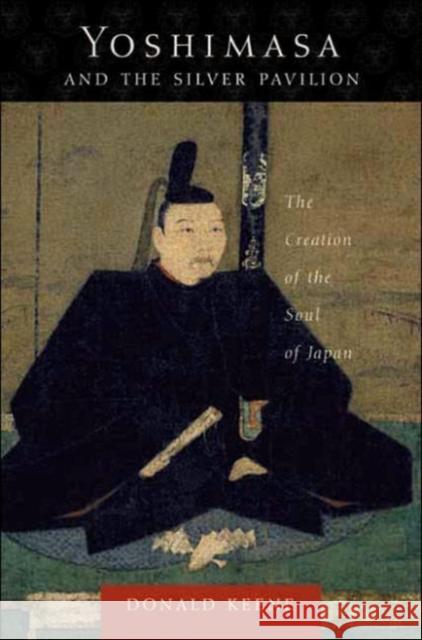
Yoshimasa may have been the worst shogun ever to rule Japan. He was a failure as a soldier, incompetent at dealing with state business, and dominated by his wife. But his influence on the cultural life of Japan was unparalleled. According to Donald Keene, Yoshimasa was the only shogun to leave a lasting heritage for the entire Japanese people. Today Yoshimasa is remembered primarily as the builder of the Temple of the Silver Pavilion and as the ruler at the time of the Onin War (1467-1477), after which the authority of the shogun all but disappeared. Unable to control the...
Yoshimasa may have been the worst shogun ever to rule Japan. He was a failure as a soldier, incompetent at dealing with state business, and dominated ...
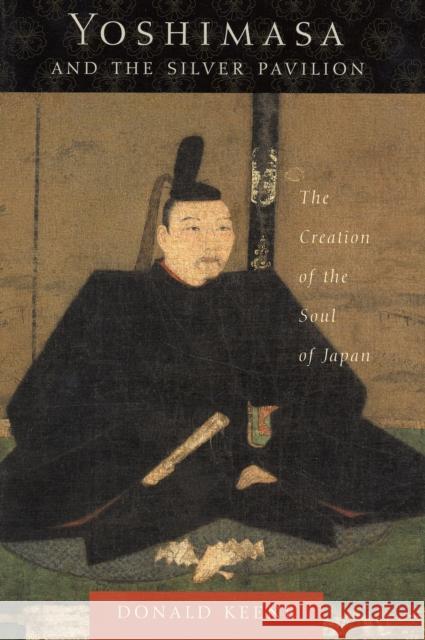
Yoshimasa may have been the worst shogun ever to rule Japan. He was a failure as a soldier, incompetent at dealing with state business, and dominated by his wife. But his influence on the cultural life of Japan was unparalleled. According to Donald Keene, Yoshimasa was the only shogun to leave a lasting heritage for the entire Japanese people. Today Yoshimasa is remembered primarily as the builder of the Temple of the Silver Pavilion and as the ruler at the time of the Onin War (1467-1477), after which the authority of the shogun all but disappeared. Unable to control the...
Yoshimasa may have been the worst shogun ever to rule Japan. He was a failure as a soldier, incompetent at dealing with state business, and dominated ...