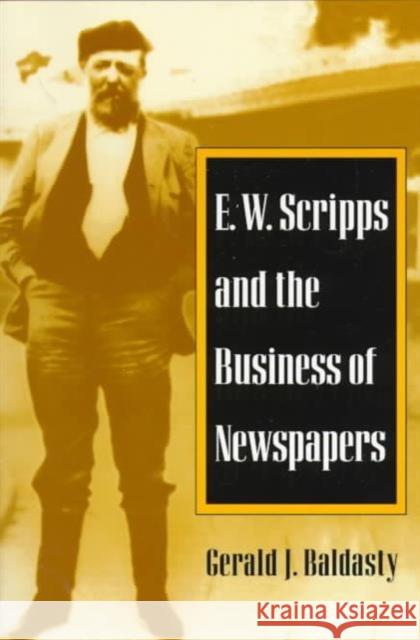
Edward Willis Scripps revolutionized the newspaper industry by applying modern business practices to his chain of more than forty newspapers and creating a telegraphic news service and illustrated news features syndicate. This title presents a portrait of this entrepreneurial giant, drawing on Scripps' business correspondence.
Edward Willis Scripps revolutionized the newspaper industry by applying modern business practices to his chain of more than forty newspapers and creat...
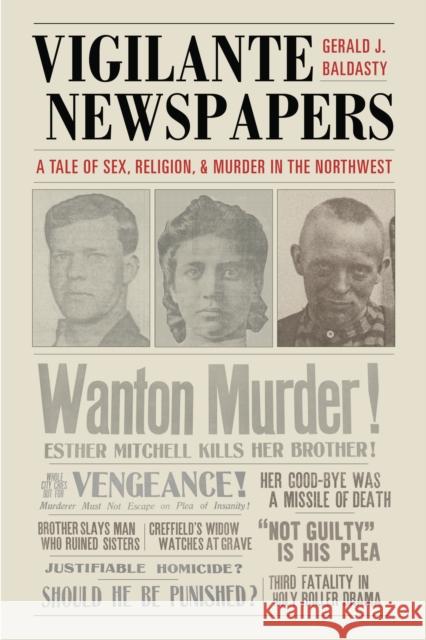
This riveting work of social history documents the role the news media played in spurring two murders revolving around Edmund Creffield, a charismatic "Holy Roller" evangelist who arrived in Corvallis, Oregon, in 1903 and quickly enraged the citizenry by defiantly challenging the religious and sexual mores of the time. When ardent female followers began refusing to speak to their nonbelieving husbands, vigilantes tarred and feathered Creffield, eventually forcing him to flee to Seattle.
Once there, Creffield was murdered by George Mitchell, the brother of one of his followers. The...
This riveting work of social history documents the role the news media played in spurring two murders revolving around Edmund Creffield, a charisma...
" The Commercialization of News in the Nineteenth Century" traces the major transformation of newspapers from a politically based press to a commercially based press in the nineteenth century. Gerald J. Baldasty argues that broad changes in American society, the national economy, and the newspaper industry brought about this dramatic shift. Increasingly in the nineteenth century, news became a commodity valued more for its profitablility than for its role in informing or persuading the public on political issues. Newspapers started out as highly partisan adjuncts of political parties....
" The Commercialization of News in the Nineteenth Century" traces the major transformation of newspapers from a politically based press to a commer...