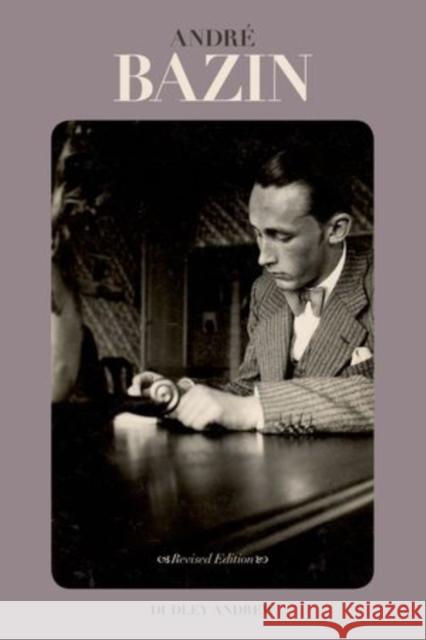
Andre Bazin, often dubbed the father of the French New Wave, has had an immense impact on film art. He is credited with almost single-handedly establishing the study of film as an accepted intellectual pursuit. The journal that he founded in 1951, Cahiers du Cinema, remains the most influential archive of cinema criticism. He remains one of the most read, most studied, and most engaging figures ever to have written about film. The last few years have witnessed a massive resurgence of interest in Bazin among critics, scholars, and students of every persuasion. His writings, a mainstay of film...
Andre Bazin, often dubbed the father of the French New Wave, has had an immense impact on film art. He is credited with almost single-handedly establi...
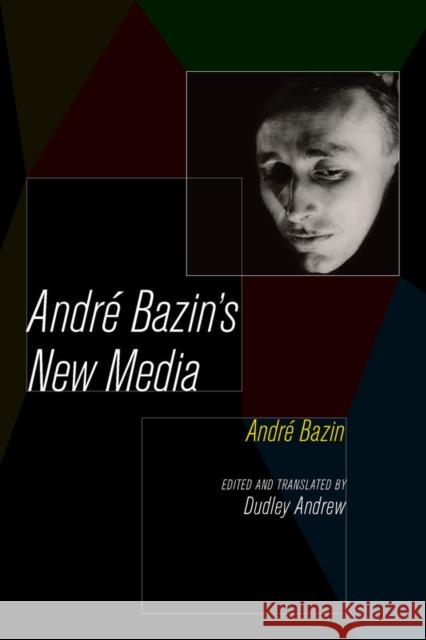
Andre Bazin's writings on cinema are among the most influential reflections on the medium ever written. Even so, his critical interests ranged widely and encompassed the "new media" of the 1950s, including television, 3D film, Cinerama, and CinemaScope. Fifty-seven of his reviews and essays addressing these new technologies--their artistic potential, social influence, and relationship to existing art forms--have been translated here for the first time in English with notes and an introduction by leading Bazin authority Dudley Andrew. These essays show Bazin's astute approach to a range of...
Andre Bazin's writings on cinema are among the most influential reflections on the medium ever written. Even so, his critical interests ranged widely ...
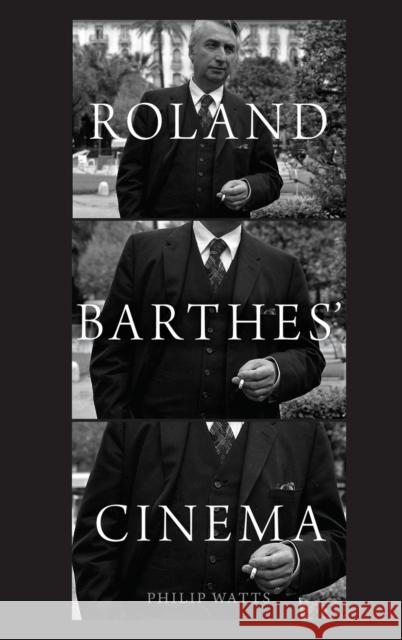
The most famous name in French literary circles from the late 1950s till his death in 1981, Roland Barthes maintained a contradictory rapport with the cinema. As a cultural critic, he warned of its surreptitious ability to lead the enthralled spectator toward an acceptance of a pre-given world. As a leftist, he understood that spectacle could be turned against itself and provoke deep questioning of that pre-given world. And as an extraordinarily sensitive human being, he relished the beauty of images and the community they could bring together.
The most famous name in French literary circles from the late 1950s till his death in 1981, Roland Barthes maintained a contradictory rapport with the...
The most famous name in French literary circles from the late 1950s till his death in 1981, Roland Barthes maintained a contradictory rapport with the cinema. As a cultural critic, he warned of its surreptitious ability to lead the enthralled spectator toward an acceptance of a pre-given world. As a leftist, he understood that spectacle could be turned against itself and provoke deep questioning of that pre-given world. And as an extraordinarily sensitive human being, he relished the beauty of images and the community they could bring together.
The most famous name in French literary circles from the late 1950s till his death in 1981, Roland Barthes maintained a contradictory rapport with the...