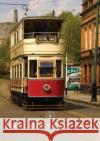
Trams have had a rollercoaster history over the last 150 years. First introduced to the UK in the 1860s by a colorful American businessman, they became increasingly popular and successful in British towns and cities because they were so cheap to use. For the first time the working classes could afford to ride to work instead of walking. By the Edwardian period there were electric trams in almost every town in Britain, yet by the 1930s trams were in decline, overtaken by motor buses and then private motor cars. As traffic congestion and air pollution have got worse in recent years, these...
Trams have had a rollercoaster history over the last 150 years. First introduced to the UK in the 1860s by a colorful American businessman, they be...
On September 1, 1939, British television broadcasting was closed down on Government orders, leaving radio as the sole source of broadcast home entertainment. For the next six years, radio became the main source of entertainment, information, and news for the majority of the population.
Personalities and stars became household names and their catchphrases could be heard everywhere. Radio was also a tremendous vehicle for propaganda, and for sending coded messages across Britain, and later to resistance groups throughout Europe. After the war TV would return, but in the meantime the...
On September 1, 1939, British television broadcasting was closed down on Government orders, leaving radio as the sole source of broadcast home ente...
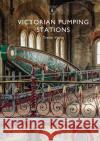
Victorian pumping stations are colorful cathedrals of utility. Their imposing and striking exteriors enclose a highly decorative cast-iron frame, built to encage mighty steam engines. They are glorious buildings which display the Victorians' architectural confidence and engineering skills. More than that, they represent a key part of the story of urban development and how our towns and cities were shaped in this period of ground-breaking invention and civic pride.
In this illustrated guide, Trevor Yorke tells the story of Victorian pumping stations and explains why they were built...
Victorian pumping stations are colorful cathedrals of utility. Their imposing and striking exteriors enclose a highly decorative cast-iron frame, b...
William Hillman was an early maker of cars in Coventry: he produced cars from 1907 before selling his company to the Rootes Brothers in 1928. Three years later came the Hillman Minx, the first of a line that would endure for nearly half a century. By the 1950s, the latest Minx came in multiple forms--including a versatile and much-liked compact estate derivative called the Husky. The Minx remained the core Hillman product even after the remarkable Imp arrived in 1963 to claim a slice of the market opened by the BMC Mini.
Rarely revolutionary, Hillman cars nevertheless carved out a...
William Hillman was an early maker of cars in Coventry: he produced cars from 1907 before selling his company to the Rootes Brothers in 1928. Three...