London's many cemeteries, churches, and graveyards are the last resting places of a multitude of important people from many different walks of life. Politicians, writers, and military heroes rub shoulders with engineers, courtesans, artists, and musicians, along with quite a few eccentric characters. Arranged geographically, this comprehensive guide describes famous graves in all the major cemeteries and churches in Greater London, including Highgate, Kensal Green, Westminster Abbey, and Saint Paul's Cathedral, as well as the city churches and many suburban parish churches.
The book...
London's many cemeteries, churches, and graveyards are the last resting places of a multitude of important people from many different walks of life...
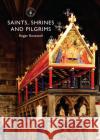
In the Middle Ages, it was thought that praying at the right shrine could save you from just about anything, from madness and famine to false imprisonment and even shipwreck. Kingdoms, cities, and even individual trades had patron saints who would protect them from misfortune and bring them wealth and prosperity, and their feast days were celebrated with public holidays and pageants. With saints believed to have the ear of God, veneration of figures such as Saint Thomas Becket, Saint Cuthbert, and Saint Margaret brought tens of thousands of pilgrims from all walks of life to sites across...
In the Middle Ages, it was thought that praying at the right shrine could save you from just about anything, from madness and famine to false impri...
A history of the Women's Royal Naval Service (WRNS), affectionately known as the Wrens, a branch of the British Royal Navy that served in both world wars. It will appeal to anyone interested in the history of the Royal Navy and the role of women in the military.
A history of the Women's Royal Naval Service (WRNS), affectionately known as the Wrens, a branch of the British Royal Navy that served in both world w...
In the 1950s and 1960s, British sports cars ruled the road, and their charge was led by Triumphs. From the TR2, its first modern sports car, Triumph went on to produce a host of classic sports designs, such as the Spitfire, GT, and Stag, as well as more TR models, before ending with the TR7 in the late 1970s. These represented the epitome of the contemporary classic British sports car.
Fast, nimble, and gorgeous to behold, Triumphs offered the everyday motorist an exhilarating drive at a price they could afford. Popular both in the United Kingdom and the United States, the Triumph...
In the 1950s and 1960s, British sports cars ruled the road, and their charge was led by Triumphs. From the TR2, its first modern sports car, Triump...
In the 1950s and 1960s, luxury car buyers, from government ministers to captains of industry, almost invariably bought British. These were stately, dignified, and grand vehicles, with many featuring leather interiors and wood trim. Unfortunately, that market has now largely disappeared and, with it, so have the car-makers themselves.
The book covers cars in the over-3-litre class from the biggest names in British luxury motoring including Alvis, Daimler, and Lagonda, and high-end models from Austin, Rover, and Jaguar. It examines the features and characteristics of these classic...
In the 1950s and 1960s, luxury car buyers, from government ministers to captains of industry, almost invariably bought British. These were stately,...
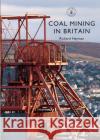
Coal heated the homes, fuelled the furnaces and powered the engines of the Industrial Revolution. In the nineteenth and twentieth centuries the coalfields - distinct landscapes of colliery winding frames, slag heaps and mining villages - made up Britain's industrial heartlands. Coal was known as 'black gold' but it was only brought to the surface with skill and at considerable risk, with flooding, rock falls and gas explosions a constant danger. Coal miners became a recognised force in British political life, forming a vociferous and often militant lobby for better working conditions and a...
Coal heated the homes, fuelled the furnaces and powered the engines of the Industrial Revolution. In the nineteenth and twentieth centuries the coalfi...
Designed both to protect the inhabitants of the towns they towered over and cow them into submission, castles dominated the landscape of Medieval England and Wales. Though some were built before 1066, the Norman Conquest left a lasting legacy of domination in the form of fortifications ranging from small earthworks now barely discernible, to mighty and dominating stone fortresses.
This book examines why medieval English kings and Welsh princes constructed castles, their importance in warfare and domestic politics, and the day-to-day lives of those who lived and worked within them....
Designed both to protect the inhabitants of the towns they towered over and cow them into submission, castles dominated the landscape of Medieval E...
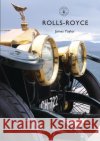
Rolls-Royce is one of Britain's legendary car brands, representing the pinnacle of engineering quality and luxury like no other manufacturer. Since 1904, when Charles Stewart Rolls and Frederick Henry Royce began their collaboration, the Rolls-Royce name has earned respect and admiration the world over.
This is the full story of Britain's premier luxury car-maker, from the early experimental models through the 40/50 Silver Ghost, the Twenty, the Phantoms, the Wraiths and their post-1945 successors, with evocative names such as Silver Shadow and Silver Seraph. It celebrates more than...
Rolls-Royce is one of Britain's legendary car brands, representing the pinnacle of engineering quality and luxury like no other manufacturer. Since...
From the Houses of Parliament to the Midland Hotel at St Pancras and Strawberry Hill House, Gothic Revival buildings are some of the most distinctive structures found in Britain. Far from just copying medieval buildings, it was a style full of color and invention, in which its exponents created a daring new approach to design. Throwing out the old Classical rule book, Gothic Revival architects like Augustus Welby Pugin and George Gilbert Scott designed buildings which were asymmetrical in form and visually expressive of their function. It went beyond just bricks and mortar and had a strong...
From the Houses of Parliament to the Midland Hotel at St Pancras and Strawberry Hill House, Gothic Revival buildings are some of the most distinctive ...
Illuminated manuscripts are among the most beautiful, precious and mysterious works of Western art. Before the printing press was invented, books were produced by hand and their illustration using brightly colored pigments and gold embellishments was a labor of love and an act of piety in itself. The results are stunning. The works emanating from the scriptoria of monasteries were mainly religious texts, including illuminated bibles, psalters, and works for private devotion known as books of hours.
Illuminated Manuscripts describes the origin and history of illumination in...
Illuminated manuscripts are among the most beautiful, precious and mysterious works of Western art. Before the printing press was invented, books w...