Richard B. Harwell Award Tennessee History Book Award Doughlas Southall Freeman Award A critical moment in the Civil War, the Battle of Shiloh has been the subject of many books. However, none has told the story of Shiloh as Timothy Smith does in this volume, the first comprehensive history of the two-day battle in April 1862--a battle so fluid and confusing that its true nature has eluded a clear narrative telling until now. Unfolding over April 6th and 7th, the Battle of Shiloh produced the most sprawling and bloody field of combat since the Napoleonic wars,...
Richard B. Harwell Award Tennessee History Book Award Doughlas Southall Freeman Award A critical moment in the Civil War,...
A classic of military thought that merits a place alongside the works of Clausewitz and Sun Tzu, Battle Studies was first published in Paris ten years after the death of its author, French army officer Charles Ardant du Picq (1821-1870). Updated to provide a more complete and accurate biographical and historical framework for understanding its meaning and import, this edition--deftly translated, introduced, and annotated by noted military historian Roger Spiller--offers a new generation of readers the benefit of Ardant du Picq's unique insight into the nature of warfare. Nothing,...
A classic of military thought that merits a place alongside the works of Clausewitz and Sun Tzu, Battle Studies was first published in Paris te...
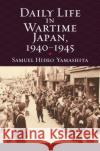
The population of wartime Japan (1940-1945) has remained a largely faceless enemy to most Americans thanks to the distortions of US wartime propaganda, popular culture, and news reports. At a time when this country's wartime experiences are slowly and belatedly coming into focus, this remarkable book by Samuel Yamashita offers an intimate picture of what life was like for ordinary Japanese during the war. Drawing upon diaries and letters written by servicemen, kamikaze pilots, evacuated children, and teenagers and adults mobilized for war work in the big cities, provincial towns, and rural...
The population of wartime Japan (1940-1945) has remained a largely faceless enemy to most Americans thanks to the distortions of US wartime propaganda...
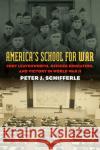
Army Historical Foundation Distinguished Writing Award When the United States entered World War II, it took more than industrial might to transform its tiny army--smaller than even Portugal's--into an overseas fighting force of more than eight and a half million. Peter Schifferle contends that the determination of American army officers to be prepared for the next big war was an essential component in America's ultimate triumph over its adversaries. Crucial to that preparation were the army schools at Fort Leavenworth. Interwar Army officers, haunted by the bloodshed...
Army Historical Foundation Distinguished Writing Award When the United States entered World War II, it took more than industrial ...