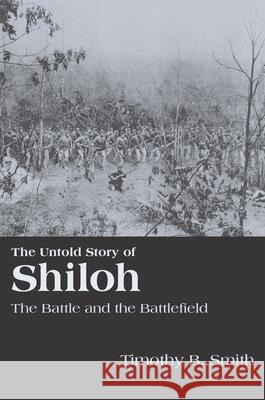
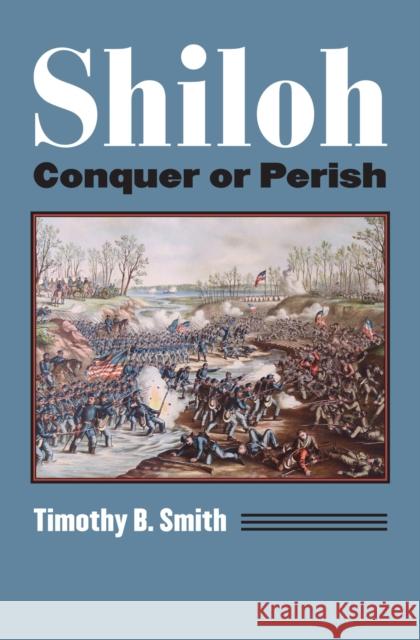
At the mention of Shiloh, most tend to think of two particularly bloody and crucial days in April 1862. The complete story, however, encompasses much more history than that of the battle itself. While several accounts have taken a comprehensive approach to Shiloh, significant gaps still remain in the collective understanding of the battle and battlefield. In The Untold Story of Shiloh, Timothy B. Smith fills in those gaps, looking beyond two days of battle and offering unique insight into the history of unexplored periods and topics concerning the Battle of Shiloh and the Shiloh National...
At the mention of Shiloh, most tend to think of two particularly bloody and crucial days in April 1862. The complete story, however, encompasses much ...
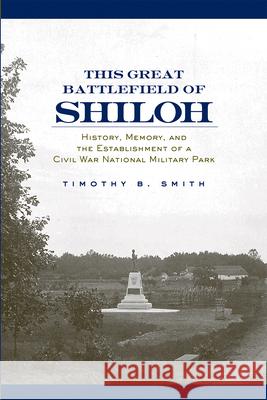
Around the turn of the last century, feelings of patriotism, nationalism, and sectional reconciliation swept the United States and led to a nationwide memorialization of American military history in general and the Civil War in particular. The 1894 establishment of the Shiloh National Military Park, for example, grew out of an effort by veterans themselves to preserve and protect the site of one of the Civil War's most important engagements. Returning to the Pittsburg Landing battlefield, Shiloh veterans organized themselves to push the Federal government into establishing a park to honor...
Around the turn of the last century, feelings of patriotism, nationalism, and sectional reconciliation swept the United States and led to a nationwide...
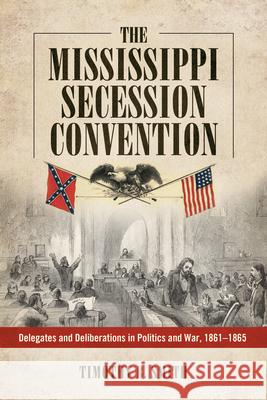
The Mississippi Secession Convention is the first full treatment of any secession convention to date. Studying the Mississippi convention of 1861 offers insight into how and why southern states seceded and the effects of such a breech. Based largely on primary sources, this book provides a unique insight into the broader secession movement.
There was more to the secession convention than the mere act of leaving the Union, which was done only three days into the deliberations. The rest of the three-week January 1861 meeting as well as an additional week in March saw the delegates...
The Mississippi Secession Convention is the first full treatment of any secession convention to date. Studying the Mississippi convention of...
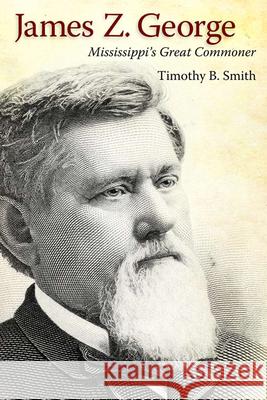
-When the Mississippi school boy is asked who is called the 'Great Commoner' of public life in his State, - wrote Mississippi's premier historian Dunbar Rowland in 1901, -he will unhesitatingly answer James Z. George.- While George's prominence has decreased through the decades since then, many modern historians still view him as a supremely important Mississippian, with one writing that George (1826-1897) was -Mississippi's most important Democratic leader in the late nineteenth century.-
Certainly, the Mexican War veteran, prominent lawyer and planter, Civil War officer,...
-When the Mississippi school boy is asked who is called the 'Great Commoner' of public life in his State, - wrote Mississippi's premier historian D...
The Mississippi Secession Convention is the first full treatment of any secession convention to date. Studying the Mississippi convention of 1861 offers insight into how and why southern states seceded and the effects of such a breech. Based largely on primary sources, this book provides a unique insight into the broader secession movement.
There was more to the secession convention than the mere act of leaving the Union, which was done only three days into the deliberations. The rest of the three-week January 1861 meeting as well as an additional week in March saw the delegates...
The Mississippi Secession Convention is the first full treatment of any secession convention to date. Studying the Mississippi convention of...
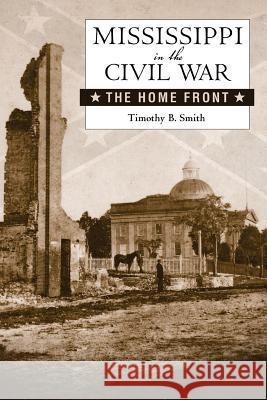
In Mississippi in the Civil War: The Home Front, Timothy B. Smith examines Mississippi's Civil War defeat by both outside and inside forces. From without, the Union army dismantled the state's political system, infrastructure, economy, and fighting capability. The state saw extensive military operations, destruction, and bloodshed within her borders. One of the most frightful and extended sieges of the war ended in a crucial Confederate defeat at Vicksburg, the capstone to a tremendous Union campaign.
As Confederate forces and Mississippi became overwhelmed militarily, the...
In Mississippi in the Civil War: The Home Front, Timothy B. Smith examines Mississippi's Civil War defeat by both outside and inside forces....
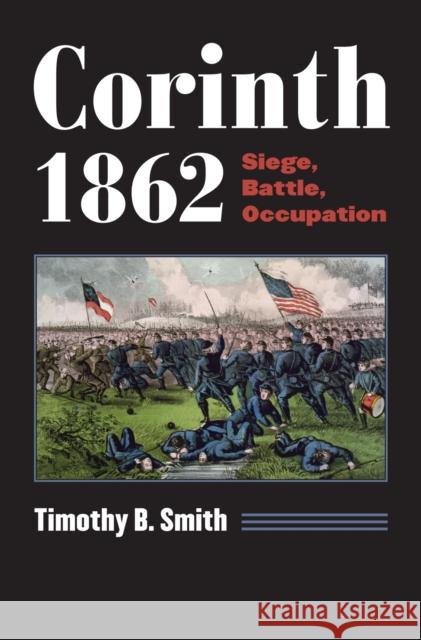
Fletcher Pratt Award McLemore Prize In the spring of 1862, there was no more important place in the western Confederacy--perhaps in all the South--than the tiny town of Corinth, Mississippi. Major General Henry W. Halleck, commander of Union forces in the Western Theater, reported to Washington that "Richmond and Corinth are now the great strategical points of war, and our success at these points should be insured at all hazards." In the same vein, Confederate General P. G. T. Beauregard declared to Richmond that "If defeated at Corinth, we lose the Mississippi...
Fletcher Pratt Award McLemore Prize In the spring of 1862, there was no more important place in the western Confederacy--perh...
Richard B. Harwell Award Tennessee History Book Award Doughlas Southall Freeman Award A critical moment in the Civil War, the Battle of Shiloh has been the subject of many books. However, none has told the story of Shiloh as Timothy Smith does in this volume, the first comprehensive history of the two-day battle in April 1862--a battle so fluid and confusing that its true nature has eluded a clear narrative telling until now. Unfolding over April 6th and 7th, the Battle of Shiloh produced the most sprawling and bloody field of combat since the Napoleonic wars,...
Richard B. Harwell Award Tennessee History Book Award Doughlas Southall Freeman Award A critical moment in the Civil War,...
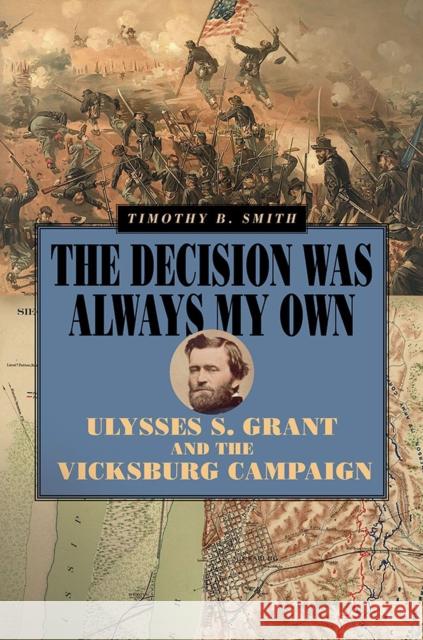
The Vicksburg Campaign, argues Timothy B. Smith, is the showcase of Ulysses S. Grant's military genius. Showing how and why Grant became such a successful general, Smith presents a fast-paced reexamination of the commander and the campaign. His analysis of Grant's decision-making process details the process of campaigning on military, political, administrative, and personal levels.
The Vicksburg Campaign, argues Timothy B. Smith, is the showcase of Ulysses S. Grant's military genius. Showing how and why Grant became such a succes...