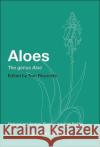
Aloes are a large genus of plants, about 450 species, from sub-Saharan Africa, Madagascar, and parts of Arabia. Many species are widespread in warm or tropical semi-arid regions, yet the distribution of others is limited to a few living in desert or wet mountainous regions. While some species have been adopted as medicinal plants since ancient times and others are used locally in folk medicine, scientists have yet to discover the full biological activity of the many aloe compounds. In order to realize the vast potential of the genus, it is essential to gather the knowledge acquired over the...
Aloes are a large genus of plants, about 450 species, from sub-Saharan Africa, Madagascar, and parts of Arabia. Many species are widespread in warm or...
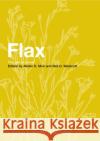
Linum usitatissimum is a widely distributed plant that has a long history of traditional use as both an industrial oil and fiber crop. It is known as linseed in the United Kingdom, or flax in North America. For the last 15 years, there has been a steadily growing interest in the medicinal and nutraceutical value of flax, including experimental evidence for its use in the prevention of cancer and cardiovascular and kidney diseases.This volume is a comprehensive review of the genus covering all aspects of the taxonomy, chemistry, cultivation, pharmacology and commercial uses of flax. It...
Linum usitatissimum is a widely distributed plant that has a long history of traditional use as both an industrial oil and fiber crop. It is known as ...
Plants from the genera Urtica, often better known as the stinging nettle, can be distinguished by their stinging hairs, and in some species, their serrated leaf edges. Historical records of the various uses of Urtica date back to at least the Bronze Age (3000-2000 BC). Nettles have traditionally been used as a nutritious food source particularly in rural areas of the United Kingdom and Canada. Since ancient times Urtica species have also been used in herbal remedies as an expectorant or diuretic, or for the treatment of eczema, rheumatism, haemorrhoids and ulcers, and the nettle continues to...
Plants from the genera Urtica, often better known as the stinging nettle, can be distinguished by their stinging hairs, and in some species, their ser...
Cinnamon and Cassia, the "Spices of Life," together constitute one of the most widely used group of spices. A comprehensive volume, Cinnamon and Cassia: Genus Cinnamomum explores in detail Srilankan cinnamon, Chinese cassia, Indonesian cassia, Indian cassia, camphor, and also the important related and useful spices of Cinnamomum. The introductory chapter depicts the history of these spices, followed by a detailed analysis of botany and crop improvement that examines taxonomy, morphology, embryology, reproduction, and propagation. A chapter on chemistry details the unique composition of...
Cinnamon and Cassia, the "Spices of Life," together constitute one of the most widely used group of spices. A comprehensive volume, Cinnamon and Cassi...
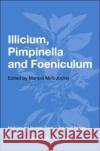
The book includes current knowledge on Illicium verum (star anise) and Pimpinella anisum (aniseed), main commercial species rich in anetol. It also analyzes Foeniculum vulgare (fennel) and other species of Pimpinella (P. major, P. peregrina and P. saxifraga). This volume includes a botanical, chemical, pharmacological, and therapeutic survey of these species, and a review of traditional uses. It covers cultivation, harvesting, drying, storage, and yield, along with economic importance and market trends. The book is valuable for university professors and students, sanitary professionals,...
The book includes current knowledge on Illicium verum (star anise) and Pimpinella anisum (aniseed), main commercial species rich in anetol. It also an...
Kava is an herb that has been used for ceremonial, ritual, religious, social, political, and medicinal purposes for centuries. In the past few decades, kava has been widely marketed as an over-the-counter treatment for anxiety, stress, restlessness, and sleep disorders. Kava: From Ethnology to Pharmacology describes the history, botanical origins, production, economic aspects, and chemical and biological properties of this medicinal herb. A major part of the book focuses on the chemical and pharmacological properties of kavalactones, the psychoactive constituents of kava that reportedly...
Kava is an herb that has been used for ceremonial, ritual, religious, social, political, and medicinal purposes for centuries. In the past few decades...
Ginger: The Genus Zingiber is the first comprehensive volume on ginger. Valued as a spice and medicinal plant from ancient times both in India and China, ginger is now used universally as a versatile spice and in traditional medicine as well as in modern medicine. This book covers all aspects of ginger, including botany, crop improvement, chemistry, biotechnology, production technology in the major producing countries, diseases, pests, and harvesting. It also explores processing, products, economics and marketing, pharmacology, medicinal applications, and uses as a spice...
Ginger: The Genus Zingiber is the first comprehensive volume on ginger. Valued as a spice and medicinal plant from ancient times both...
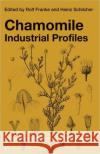
For over 2000 years, preparations of chamomile flowers have counted among the medicinal treasures of many cultural groups. This book provides an interdisciplinary inventory of the scientific level of knowledge about German chamomile as well as Roman chamomile, the two types of chamomile most produced. It includes information for pharmacists and the pharmaceutical industry about chamomile preparations and essential chamomile oil. Physicians and toxicologists will find detailed descriptions of the latest experimental studies and the use of chamomile preparations in traditional and therapeutic...
For over 2000 years, preparations of chamomile flowers have counted among the medicinal treasures of many cultural groups. This book provides an inter...
Written by experts and extensively referenced, this book examines every aspect of this particular genus from its physiological to pharmacological properties. A definitive reference on Oregano which will appeal to both academia and industry.
Written by experts and extensively referenced, this book examines every aspect of this particular genus from its physiological to pharmacological prop...
St. John's wort (Hypericum perforatum) is one of the best-selling herbal medicines in the world. For that reason, research into all aspects of St. John's wort continues to intensify. Hypericum: The Genus Hypericum summarizes the current knowledge on a wide range of issues, such as botany, plant infections, cultivation, manufacturing, standardization, quality control, biochemistry, pharmacology and clinical application. This landmark book tackles issues not previously addressed, such as selection of the pharmacologically active compounds, application for severe depression, mechanisms of...
St. John's wort (Hypericum perforatum) is one of the best-selling herbal medicines in the world. For that reason, research into all aspects of St. Joh...