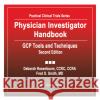
A comprehensive guide for physicians conducting clinical research, this second edition addresses a broader research perspective. It includes information on the implications of the ICH Guidelines, current FDA regulations, and an Internet address directory. Everything the clinical trial manager, planner, monitor, and investigator need to know about the design, establishment, monitoring, and close-out of a trial is in this book. The chapters address the elements of clinical research, professional interactions, FDA regulations and good clinical practices guidelines, investigational agent...
A comprehensive guide for physicians conducting clinical research, this second edition addresses a broader research perspective. It includes informati...
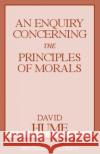
Judging it to be "of all my writings incomparably the best," Hume accurately assessed this groundbreaking classic, which continues to influence philosophical thinking on ethics to this day through the force of its ideas and its clarity of expression. Among the many insights that Hume expounds in this work is that morality is grounded in feelings, not in knowledge. Based on moral sentiment, people naturally value agreeable qualities and shun disagreeable ones. On closer analysis, Hume concludes that the feeling of agreeableness comes from an innate perception of the utility of a particular...
Judging it to be "of all my writings incomparably the best," Hume accurately assessed this groundbreaking classic, which continues to influence philos...
Originally published in 1845, this concise critique formed the basis of thirty later lectures delivered in 1848 by Ludwig Feuerbach, one of Germany s most influential humanist philosophers. In The Essence of Religion Feuerbach applied the analysis expounded in The Essence of Christianity (1841) to religion as a whole. The main thrust of Feuerbach s argument is aptly summed up in the original subtitle to this work: "God the Image of Man. Man s Dependence upon Nature the Last and Only Source of Religion." Feuerbach reviews key aspects of religious belief and in each case explains them as...
Originally published in 1845, this concise critique formed the basis of thirty later lectures delivered in 1848 by Ludwig Feuerbach, one of Germany s ...
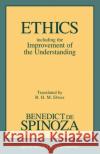
In the genre of Christian philosophers, Spinoza presents a geometric argument for the necessary existence of God as the one absolute substance underlying all other substance. From the necessity of God's existance, he derives the laws of existence, those of nature, and the ethical principles animating human conduct. In this sweeping volume that covers a wide range of topics from metaphysics, epistemology, and theology, Spinoza addresses the key concepts of freedom, the existence of evil, and the ultimate purpose of humanity.
In the genre of Christian philosophers, Spinoza presents a geometric argument for the necessary existence of God as the one absolute substance underly...