Saitta examines historical archaeology s success in reconstructing collective social action in the past and considers the implications of these reconstructions for society today. Recognizing that studies of the past can serve different social interests, creating knowledge that can be used to oppress or emancipate elements of society, Saitta argues that historical archaeology needs to move beyond its emphasis on recovering the individual to acknowledging and asserting its power to effect social change.Developing a theoretical and methodological approach to the archaeology of collective action,...
Saitta examines historical archaeology s success in reconstructing collective social action in the past and considers the implications of these recons...
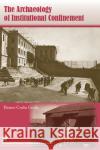
The study of American institutional confinement, its presumed successes, failures, and controversies, is incomplete without examining the remnants of relevant sites no longer standing.Asking what archaeological perspectives add to the understanding of such a provocative topic, Eleanor Conlin Casella describes multiple sites and identifies three distinct categories of confinement: places for punishment, for asylum, and for exile. Her discussion encompasses the multifunctional shelters of the colonial era, Civil War prison camps, Japanese-American relocation centers, and the maximum-security...
The study of American institutional confinement, its presumed successes, failures, and controversies, is incomplete without examining the remnants of ...
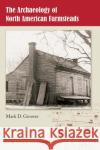
From the early colonial period to the close of World War II, life in North America was predominantly agrarian and rural. Archaeological exploration of farmsteads unveils a surprising quantity of data about rural life, consumption patterns, and migrations across the continent. Mark Groover offers both case studies and an overview of current trends in farmstead archaeology in this exciting new work. He also proposes a research design and makes numerous suggestions for evaluating (and re-evaluating) the significance of farmsteads as an archaeological resource. His chronological survey of...
From the early colonial period to the close of World War II, life in North America was predominantly agrarian and rural. Archaeological exploration of...
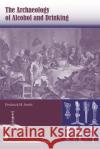
"Smith interrogates sherds and other leavings of bibulous entertainments, drunken binges, and everyday drinking in a demonstration of historical archaeology's meaningful contributions to the study of alcohol and its use and abuse in the early modern and modern world."--Mary C. Beaudry, Boston University
"Provides an exhaustive though concise synthesis of the literature on the historical archaeology of alcohol production, distribution, and consumption. Student and professional alike will benefit from Smith's expansive knowledge of the historical archaeology of drinking."--James A....
"Smith interrogates sherds and other leavings of bibulous entertainments, drunken binges, and everyday drinking in a demonstration of historical ar...