The Diplomacy of Food Dependence » książka





The Diplomacy of Food Dependence
ISBN-13: 9783034358057 / Angielski / Twarda / 2025 / 124 str.
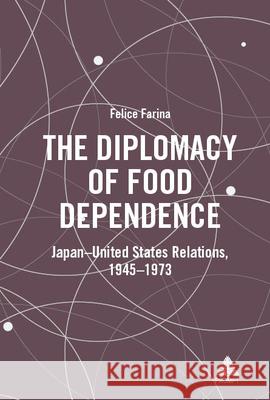
This monograph examines Japan's "food problem"-the country's dependence on food imports-within the framework of the diplomatic relations with the U. S. from 1945 to the early 1970s. Japan is highly reliant on food imports, with the U. S. as its primary supplier. Existing literature has often framed this dependence as a product of postwar power dynamics, portraying Japan as a passive participant in the "American wheat strategy," which prioritized U.S. agricultural surpluses over domestic production. This study seeks to move beyond this narrative, offering a more nuanced perspective. Through an analysis of primary sources as well as secondary literature, it argues that Japan's reliance on U.S. food imports was shaped not solely by external pressures but by negotiations, strategic considerations, and mutual interests. The goal is to highlight Japan's agency in shaping its agricultural and food policies rather than portraying it as a passive recipient of external decisions.
This monograph examines Japan's food dependence within Japan-U.S. relations (1945-1970s). Often seen as a passive participant in the "American wheat strategy," Japan was instead an active agent. Through primary and secondary sources, this study highlights how its reliance on U.S. imports was shaped by strategic choices and mutual interests.




Czytaj nas na:
KrainaKsiazek.PL - Księgarnia Internetowa


