• Wyszukiwanie zaawansowane
  • Kategorie
  • Kategorie BISAC
  • Książki na zamówienie
  • Promocje
  • Granty
  • Książka na prezent
  • Opinie
  • Pomoc
  • Załóż konto
  • Zaloguj się

Towards Revealing the Origin of Life: Presenting the GADV Hypothesis » książka


zaloguj się | załóż konto
Logo Krainaksiazek.pl

koszyk

konto

szukaj
topmenu
Księgarnia internetowa
Szukaj
Książki na zamówienie
Promocje
Granty
Książka na prezent
Moje konto
Pomoc
 
 
Wyszukiwanie zaawansowane
Pusty koszyk
Bezpłatna dostawa dla zamówień powyżej 20 złBezpłatna dostawa dla zamówień powyżej 20 zł

Kategorie główne

• Nauka
 [2946912]
• Literatura piękna
 [1852311]

  więcej...
• Turystyka
 [71421]
• Informatyka
 [150889]
• Komiksy
 [35717]
• Encyklopedie
 [23177]
• Dziecięca
 [617324]
• Hobby
 [138808]
• AudioBooki
 [1671]
• Literatura faktu
 [228371]
• Muzyka CD
 [400]
• Słowniki
 [2841]
• Inne
 [445428]
• Kalendarze
 [1545]
• Podręczniki
 [166819]
• Poradniki
 [480180]
• Religia
 [510412]
• Czasopisma
 [525]
• Sport
 [61271]
• Sztuka
 [242929]
• CD, DVD, Video
 [3371]
• Technologie
 [219258]
• Zdrowie
 [100961]
• Książkowe Klimaty
 [124]
• Zabawki
 [2341]
• Puzzle, gry
 [3766]
• Literatura w języku ukraińskim
 [255]
• Art. papiernicze i szkolne
 [7810]
Kategorie szczegółowe BISAC

Towards Revealing the Origin of Life: Presenting the GADV Hypothesis

ISBN-13: 9783030710897 / Angielski / Miękka / 2022
Kenji Ikehara
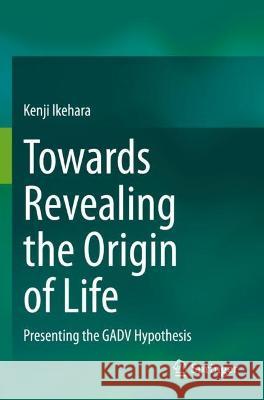
Towards Revealing the Origin of Life: Presenting the GADV Hypothesis Ikehara, Kenji 9783030710897 Springer International Publishing - książkaWidoczna okładka, to zdjęcie poglądowe, a rzeczywista szata graficzna może różnić się od prezentowanej.

Towards Revealing the Origin of Life: Presenting the GADV Hypothesis

ISBN-13: 9783030710897 / Angielski / Miękka / 2022

Kenji Ikehara
cena 602,40
(netto: 573,71 VAT:  5%)

Najniższa cena z 30 dni: 578,30
Termin realizacji zamówienia:
ok. 22 dni roboczych
Bez gwarancji dostawy przed świętami

Darmowa dostawa!

The origin of life has been investigated by many researchers from various research fields, such as Geology, Geochemistry, Physics, Chemistry, Molecular Biology, Astronomy and so on. Nevertheless, the origin of life remains unsolved. One of the reasons for this could be attributed to the different approaches that researchers have used to understand the events that happened on the primitive Earth. The origins of the main three members of the fundamental life system, as gene, genetic code and protein, could be only separately understood with these approaches. Therefore, it is necessary to understand the origins of gene, the genetic code, tRNA, metabolism, cell structure and protein not separately but comprehensively under a common concept in order to understand the origin of life, because the six members are intimately related to each other. In this monograph, the author offers a comprehensive hypothesis to explain the origin of life under a common concept. At the same time, the author offers the [GADV] hypothesis contrasting it with other current hypotheses and discusses the results of analyses of genes/proteins and the experimental data available in the exploration of the current knowledge in the field. This book is of interest for science students, researchers and the general public interested in the origin of life.

Kategorie:
Nauka, Biologia i przyroda
Kategorie BISAC:
Science > Biochemia
Science > Chemia - Organiczna
Wydawca:
Springer International Publishing
Język:
Angielski
ISBN-13:
9783030710897
Rok wydania:
2022
Waga:
0.41 kg
Wymiary:
23.5 x 15.5
Oprawa:
Miękka
Dodatkowe informacje:
Wydanie ilustrowane

Introduction
1. Why has not the origin of life been solved still now?
1.1. The reasons from viewpoint of research methodology
1.2. How could the three main members in the fundamental life system be created through random processes?
1.3. Then, is it impossible to unravel the riddle of the origin of life?
2. My idea about the origin of life
2.1. I might be able to solve the riddle of the origin of life from my own viewpoint
2.2. The reason why I could reach a novel idea, with which the riddle of the origin of life might be solved
3. Overview of this book
References
Chapter 1: Modern Fundamental Life System
Abstract
1. Towards solving the riddle of the origin of life
1.1. The mechanism how life is living
1.2. Necessary matters for solving the riddle of the origin of life
1.3. Significance of theoretical approach
2. Overview of [GADV]-protein world hypothesis (GADV hypothesis)
2.1. Establishment process of the fundamental life system (Outline)
2.2. The steps from chemical evolution to the emergence of life
References
Chapter 2: The Origin of Protein
Abstract
Introduction
1. Towards solving the riddle of the origin of protein
1.1. Necessary matters for exploring the origin of protein
1.2. General structural features of modern protein (enzyme)
1.3. General functional features of modern protein (enzyme)
2. Structure formation of protein under the modern genetic system
3. The ideas on the origin of protein advocated by other researchers
3.A. The origin of protein-I: How was the first mature protein created?
3.B. The origin of protein-II: How have entirely new mature proteins been created?
3. 1. Amino acid sequence hypothesis
3.2. Protein structure hypothesis
3.3. Short peptide (motif) theory
3.4. The reason why the origin of protein-II has not been solved still now
4. My idea about the origin of protein
4.A. The origin of protein-I: How was the first mature protein created?
4.1. Chemical evolution
4.2. [GADV]-amino acids could be produced at large amounts through prebiotic means
4.3. Immature [GADV]-protein could be produced through a random process
4.4. [GADV]-amino acid composition is one of protein 0th -order structures
4.5. From production of immature protein to formation of double-stranded (GNC)ngene
4.6. The formation of the first ds-(GNC)nRNA led to creation of the first mature [GADV]-protein
4.7. Immature protein is pluripotent
4.B. The origin of protein-II: How has an entirely new mature protein been created?
4.8. Creation of an entirely new mature protein through the first double-stranded (GNC)nRNA
5. Discussion
6. Conclusion
References
Chapter 3: The Origin of Cell Structure
Abstract:
Introduction
1. Towards solving the riddle of the origin of cell structure
1.1. Necessary matters for exploration of the origin of cell structure
1.2. General structural features of modern cell (cell structure)
1.3. General functional features of modern cell (cell structure)
2. The ideas on the origin of cell structure advocated by other researchers
2.1. Amphiphile membrane theory
2.2. Protenoid microsphere theory
3. My idea on the origin of modern cell
3.1. For what purpose was the first cell structure created?
3.2. [GADV]-microsphere hypothesis
4. Discussion
5. Conclusion
References
Chapter 4: The Origin of Metabolism
Abstract
Introduction
1. Towards solving the riddle of the origin of metabolism
1.1. Necessary matters for exploration of the origin of metabolism
1.2. General features of modern metabolism
1.3. Basic features of modern metabolism
1.4. Significance of establishment of the primitive metabolic system for the emergence of life
2. The ideas on the origin of metabolism advocated by other researchers
2.A. The origin of metabolism-I: What catalysts were used in the first metabolism?
2.1. Surface metabolism theory
2.2. Clay world theory:
2.3. Hydrothermal vent theory:
2.4. Three hypotheses proposed by other researchers and the origin of metabolism
2.B. The origin of metabolism-II: From what chemical reactions metabolism originated?
3. My idea on the origin of metabolism
3.1. For what purpose was the first metabolism created?
3.A. The origin of metabolism-I: What catalysts were used in the first metabolism?
3.2. The initial metabolism must be formed before the emergence of life
3.3. The role of [GADV]-amino acids or protein 0th -order structure in the origin of metabolism
3.B. The origin of metabolism-II: From what chemical reactions metabolism originated?
3.4. What kinds of catalytic reactions were used in the initial metabolism
3.5. Proposition of GoGaPyr hypothesis on the origin of metabolism
3.6. Immature proteins, which were produced in the absence of gene, could catalyze all metabolic reactions in the
initial metabolism
3.7. Evolution of metabolic pathways from the most primitive metabolic system
4. Discussion
5. Conclusion
References
Chapter 5: The Origin of tRNA
Abstract
Introduction
1. Towards solving the riddle of the origin of tRNA
1.1. Necessary matters for exploration of the origin of tRNA
1.2. General structural features of tRNA
1.3. General functional features of tRNA
2. The ideas on the origin of tRNA advocated by other researchers
2.1. Minihelix theory
2.2. Double-hairpin and tRNA split gene hypothesis
2.3. A small hairpin-loop RNA hypothesis
3. My idea on the origin of tRNA
3.1. For what purpose was the first tRNA created?
3.2. Exploring the origin of tRNA
3.3. Exploring the first primeval AntiC-SL tRNA
3.4. Modern tRNA originated from one nonspecific anticodon stem-loop RNA
3.5. Properties of the first AntiC-SL tRNA
4. Evolutionary process deduced from Anticodon stem-loop hypothesis
4.1. Evolutionary pathway of tRNA deduced from mutual relation network of 5’ AntiC-stem sequences
4.2. Evolutionary process from the primitive AntiC-SL tRNA to L-form tRNA
5. Discussion
6. Conclusion
References
Chapter 6 The Origin of the Genetic code
Abstract
Introduction
1. Towards solving the riddle of the origin of the genetic code
1.1. Necessary matters for exploration of the origin of the genetic code
1.2. General structural features of the genetic code
1.3. General functional features of the genetic code
1.4. There are two sides for exploring the origin of the genetic code
2. The ideas on the origin of the genetic code advocated by other researchers
2.A. The origin of the genetic code-I: From what code the genetic code originated?
2.1. RNY hypothesis
2.2. GC hypothesis
2.3. Four column theory
2.4. GCU code hypothesis
2.B. The origin of the genetic code-II: How were the correspondences between a codon and an amino acid
established?
2.5. Stereochemical theory
2.6. Crick’s frozen accident theory
3. My idea on the origin of the genetic code
3.1. For what purpose was the first genetic code created?
3.A. The origin of the genetic code-I: From what code the genetic code originated?
3.2. GNC-SNS primitive genetic code hypothesis
3.B. The origin of the genetic code-II: How were the correspondences between a codon/anticodon and an amino
acid established?
3.3. GNC code frozen-accident theory
4. Discussion
5. Conclusion
References
Chapter 7: The Origin of Gene
Abstract
Introduction
1. Towards solving the riddle of the origin of gene
1.1. Necessary matters for exploration of the origin of gene
1.2. General structural features of gene (Basic features of gene)
1.3. General functional features of gene
1.4. There are two sides for exploring the origin of gene
2. The ideas on the origin of gene advocatedby other researchers
2. A. The origin of gene-I: How was the first gene created?
2. B. The origin of gene-II: How were entirely new genes created from the past to the present?
2.1. Gene-duplication theory
2.2. Exon-shuffling theory
2.3. Self-replicated RNA theory (RNA world theory)
3. My idea about the origin of gene
3.1. For what purpose was the first genetic information (gene) created?
3.A. The origin of gene-I: How was the first gene be created?
3.2. Anticodon joining hypothesis
3. B. The origin of gene-II: How were entirely new genes created from the past to the present?
3.3. Creation of an entirely new gene after formation of the first double-stranded (GNC)nRNA gene
3.4. Evidence showing that modern proteins have been produced through essentially random process
4. Discussion
The origin of gene-I: How was the first gene created?
4.1. Anticodon joining hypothesis
The origin of gene-II: How were entirely new genes created from the past to the present?
4.2. Grounds for pan-GC-NSF(a) hypothesis
5. Conclusion
References
Chapter 8: The Origin of Life
Abstract
Introduction
1. Towards solving the riddle of the origin of life
1.1. Necessary matters for exploration of the origin of life
1.2. General structural features of modern life
1.3. General functional features of modern life
2. The ideas about the origin of life advocated by other researchers
2.1. RNA world hypothesis
2.2. Hydrothermal vent theory
2.3. Protein world theory
2.4. Coenzyme world hypothesis
2.5. tRNA core hypothesis
2.6. Space-origin hypothesis
2.7. Common weaknesses of other hypotheses for exploration of the origin of life.
3. My idea about the origin of life
3.1. [GADV]-protein world hypothesis (GADV hypothesis)
3.2. Establishment process of the fundamental life system
4. Three keys for solving the riddle of the origin of life
4.1. Can biopolymers with ordered sequence be produced through random processes?
4.2. How could the three keys for solving the riddle of the origin of life be formed during random processes
5. Discussion
The steps from immature [GADV]-proteins produced with prebiotic means to the emergence of life
6. Conclusion
References
Chapter 9: General Discussion
1. What is the significance of the origin-life research?
2. Establishment process of the fundamental life system
3. About another possibility of the establishment process of the fundamental life system
4. Bottom-up and top-down approaches for elucidation of the origin of life
5. Did the events deduced from GADV hypothesis really occur on the primitive Earth?
6. Evolution of Organisms
7. Why have so splendid organisms flourished on the present Earth?
References


Kenji Ikehara received his degree in Industrial Chemistry from Kyoto University in 1968 and obtained his Ph.D. in 1976 at the section of Engineering of Kyoto University. He moved as research associate to Faculty of Science, the University of Tokyo, to associate professor, Nara Women’s University and got promoted to full professor, Nara Women’s University. He served as Director of the Faculty of Science, Nara Womens’s University and as Director of the Nara Study Center of the Open University of Japan. He is also a fellow of the International Institute for Advanced Studies (IIAS) in Japan and Emeritus Professor of Nara Women’s University. He served as Local Chair of International Conference, Origin 2014, which was held at Nara in 2014. He has published about 60 publications in international journals and contributed 3 chapters of international books as author, 1 book as author and 1 book as editor. He has participated in more than 100 congresses, presenting main, oral and poster communications in international and national congresses. His main research fields of interest are represented by the studies on origins of protein, genetic code, genes and life.

The origin of life has been investigated by many researchers from various research fields, such as Geology, Geochemistry, Physics, Chemistry, Molecular Biology, Astronomy and so on. Nevertheless, the origin of life remains unsolved. One of the reasons for this could be attributed to the different approaches that researchers have used to understand the events that happened on the primitive Earth. The origins of the main three members of the fundamental life system, as gene, genetic code and protein, could be only separately understood with these approaches. Therefore, it is necessary to understand the origins of gene, the genetic code, tRNA, metabolism, cell structure and protein not separately but comprehensively under a common concept in order to understand the origin of life, because the six members are intimately related to each other. 

In this monograph, the author offers a comprehensive hypothesis to explain the origin of life under a common concept. At the same time, the author offers the [GADV] hypothesis contrasting it with other current hypotheses and discusses the results of analyses of genes/proteins and the experimental data available in the exploration of the current knowledge in the field. This book is of interest for science students, researchers and the general public interested in the origin of life.



Udostępnij

Facebook - konto krainaksiazek.pl


Opinie o Krainaksiazek.pl na Opineo.pl

Partner Mybenefit

Krainaksiazek.pl w programie rzetelna firma Krainaksiaze.pl - płatności przez paypal

Czytaj nas na:

Facebook - krainaksiazek.pl
  • książki na zamówienie
  • granty
  • książka na prezent
  • kontakt
  • pomoc
  • opinie
  • regulamin
  • polityka prywatności

Zobacz:

  • Księgarnia czeska

  • Wydawnictwo Książkowe Klimaty

1997-2025 DolnySlask.com Agencja Internetowa

© 1997-2022 krainaksiazek.pl
     
KONTAKT | REGULAMIN | POLITYKA PRYWATNOŚCI | USTAWIENIA PRYWATNOŚCI
Zobacz: Księgarnia Czeska | Wydawnictwo Książkowe Klimaty | Mapa strony | Lista autorów
KrainaKsiazek.PL - Księgarnia Internetowa

Polityka prywatnosci - link
Krainaksiazek.pl - płatnośc Przelewy24
Przechowalnia Przechowalnia






