• Wyszukiwanie zaawansowane
  • Kategorie
  • Kategorie BISAC
  • Książki na zamówienie
  • Promocje
  • Granty
  • Książka na prezent
  • Opinie
  • Pomoc
  • Załóż konto
  • Zaloguj się

Tilapia: Biology, Culture, and Nutrition » książka


zaloguj się | załóż konto
Logo Krainaksiazek.pl

koszyk

konto

szukaj
topmenu
Księgarnia internetowa
Szukaj
Książki na zamówienie
Promocje
Granty
Książka na prezent
Moje konto
Pomoc
 
 
Wyszukiwanie zaawansowane
Pusty koszyk
Bezpłatna dostawa dla zamówień powyżej 20 złBezpłatna dostawa dla zamówień powyżej 20 zł

Kategorie główne

• Nauka
 [2948695]
• Literatura piękna
 [1824038]

  więcej...
• Turystyka
 [70868]
• Informatyka
 [151073]
• Komiksy
 [35227]
• Encyklopedie
 [23181]
• Dziecięca
 [621575]
• Hobby
 [138961]
• AudioBooki
 [1642]
• Literatura faktu
 [228651]
• Muzyka CD
 [371]
• Słowniki
 [2933]
• Inne
 [445341]
• Kalendarze
 [1243]
• Podręczniki
 [164416]
• Poradniki
 [479493]
• Religia
 [510449]
• Czasopisma
 [502]
• Sport
 [61384]
• Sztuka
 [243086]
• CD, DVD, Video
 [3417]
• Technologie
 [219673]
• Zdrowie
 [100865]
• Książkowe Klimaty
 [124]
• Zabawki
 [2168]
• Puzzle, gry
 [3372]
• Literatura w języku ukraińskim
 [260]
• Art. papiernicze i szkolne
 [7838]
Kategorie szczegółowe BISAC

Tilapia: Biology, Culture, and Nutrition

ISBN-13: 9781560228882 / Angielski / Twarda / 2006 / 704 str.
Chhorn Lim
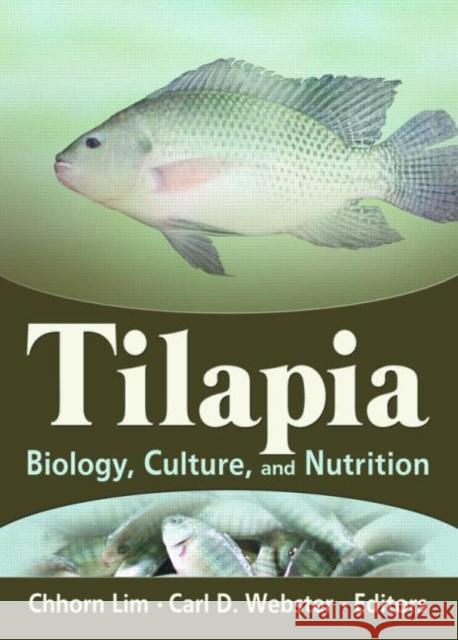
Tilapia: Biology, Culture, and Nutrition Shelton, William 9781560228882 Taylor & Francis - książkaWidoczna okładka, to zdjęcie poglądowe, a rzeczywista szata graficzna może różnić się od prezentowanej.

Tilapia: Biology, Culture, and Nutrition

ISBN-13: 9781560228882 / Angielski / Twarda / 2006 / 704 str.

Chhorn Lim
cena 930,57
(netto: 886,26 VAT:  5%)

Najniższa cena z 30 dni: 906,73
Termin realizacji zamówienia:
ok. 22 dni roboczych.

Darmowa dostawa!
inne wydania

Tilapia is the second-most cultured fish species in the world, and its production is increasing each year. However, for several reasons profit margins remain slim. Tilapia: Biology, Culture, and Nutrition presents respected international experts detailing every aspect of tilapia production around the world. Biology, breeding and larval rearing, farming techniques, feeding issues, post-harvest technology, and industry economics are clearly presented. This concise yet extensive reference provides the latest research and practical information to efficiently and economically maximize production in diverse locales, conditions, and climates.

Learn to maximize tilapia production in different areas around the world

Tilapia is the second-most cultured fish species in the world, and its production is increasing each year. However, for several reasons profit margins remain slim. Tilapia: Biology, Culture, and Nutrition presents respected international experts detailing every aspect of tilapia production around the world. Biology, breeding and larval rearing, farming techniques, feeding issues, post-harvest technology, and industry economics are clearly presented. This concise yet extensive reference provides the latest research and practical information to efficiently and economically maximize production in diverse locales, conditions, and climates.

Tilapia: Biology, Culture, and Nutrition comprehensively explores all types of tilapia with a detailed biologic description of the fish that takes readers from egg through harvesting. The book authoritatively discusses production issues such as feed nutrition, temperature, water quality, parasites, and disease control to guide readers on how to best encourage fast, efficient growth. Economic and marketing information are examined, including industry data and projections by country. Each chapter approaches a specific facet of tilapia and provides the most up-to-date research available in that area. This resource gives the most current, detailed information needed for effective tilapia farming in one compact economical volume. Extensively referenced with an abundance of clear, helpful tables, photographs, and figures.

Tilapia: Biology, Culture, and Nutrition discusses in detail:

  • complete biology, including sex ratios, optimum temperatures for growth and spawning, water quality parameters, and disease tolerance
  • industry predictions
  • hormonal control of growth
  • genetic improvement
  • sex determination, manipulation, and control
  • seed production
  • culture practices
  • earthen and lined pond production
  • culture in flowing water
  • cage culture
  • feed formulation and processing, and feeding management
  • soil, water, and effluent quality
  • saline tolerance levels with optimum rate of acclimation to seawater
  • polyculture of tilapia with shrimp
  • bottom soil conditions
  • nutrient requirements with non-nutrient components
  • parasites and diseases

Tilapia: Biology, Culture, and Nutrition is essential reading for aquaculturists, nutritionists, geneticists, hatchery managers, feed formulators, feed mill operators, extension specialists, tilapia growers, fish farmers/producers, educators, disease specialists, aquaculture veterinarians, policy makers, educators, and students.

Kategorie:
Nauka, Chemia
Kategorie BISAC:
Technology & Engineering > Fisheries & Aquaculture
Wydawca:
Taylor & Francis
Język:
Angielski
ISBN-13:
9781560228882
Rok wydania:
2006
Ilość stron:
704
Waga:
1.18 kg
Wymiary:
22.86 x 15.24 x 4.29
Oprawa:
Twarda
Wolumenów:
01
Dodatkowe informacje:
Bibliografia

About the Editors Contributors Preface Acknowledgments Chapter 1. Biology (William L. Shelton and Thomas J. Popma) Introduction Taxonomic Relationships Biogeography Bionomics and Life History Environmental Biology Chapter 2. Prospect and Potential for Global Production (Kevin Fitzsimmons) Introduction Overview of Tilapia Produced for International Trade Regional Production and Markets Industry Predictions and Outlook Chapter 3. Control of Growth: Developments and Prospects (Brian S. Shepherd, Gregory M. Weber, Mathilakath M. Vijayan, Andre Seale, Larry G. Riley, M. Fernanda Rodriguez, N. Harold Richman III, Tetsuya Hirano, and E. Gordon Grau) Introduction Relevance of Neuroendocrine Research to Tilapia Aquaculture Hormonal Control of Growth in Tilapia Nonhormonal Control of Growth in Tilapia Novel Approaches to Growth Enhancement Conclusions Chapter 4. Recent Directions in Genetics (C. Greg Lutz) Traditional Animal Breeding Approaches Artificial Spawning: Implications for Genetic Improvement Chromosomal Manipulations Transgenic Tilapia Molecular Discrimination/Characterization and Gene Mapping Chapter 5. Fingerling Production Systems (Bartholomew W. Green) Introduction Production Methodologies Interspawning Interval Incubation Fry Rearing Hatchery-Phase Fishing Health Management Fingerling Nursery Rearing Chapter 6. Hormone Manipulation of Sex (Ronald P. Phelps) Introduction Chemicals Used to Direct Gonadal Differentiation Mode of Hormone Action—Or Why Sex Reversal Works Fish Species Evaluated Protocols for Sex Reversal of Tilapia with Hormone-Treated Feed Sex Reversal of Tilapia Through Immersion (Bath) Treatments Evaluation of Treatment Efficacy Factors Affecting Sex Reversal Anabolic Considerations Food Safety and Environmental Considerations Conclusions Chapter 7. Pond Production (Bartholomew W. Green and C. Bauer Duke III) Introduction Species Selection Earthen versus Lined Ponds Production Strategies Chapter 8. Culture in Flowing Water (Richard W. Soderberg) Introduction Flow-Through Culture Systems Serial Reuse Systems Closed Systems Summary Chapter 9. Cage Culture (H. R. Schmittou) Introduction Principles of Cage Fish Culture: Fundamentals Fish Stock Quality and Quantity Water Environments and Water Quality Feeds and Feeding Health of Caged Tilapia Environmental Impact of Cage Fish Culture Chapter 10. Farming Tilapia in Saline Waters (Wade O. Watanabe, Kevin Fitzsimmons, and Yang Yi) Introduction History of Saltwater Tilapia Culture Methods for Measuring Salinity Tolerance in Tilapia Morphological and Physiological Measures of Salinity Tolerance/Hypoosmoregulatory Ability Reproductive Performance at Various Salinities Experimental Saltwater Culture of Florida Red Tilapia Grow-Out from Fingerling to Marketable Size Comparison of Saline-Tolerant Species Under Saltwater Culture Diseases Encountered During Culture in Saltwater Economics and Marketing Potential for Unwanted Introduction of Tilapia into Marine Waters Genetic Issues in the Use of Red Hybrid Tilapia Cold Tolerance Chapter 11. Management of Bottom Soil Condition and Pond Water and Effluent Quality (Claude E. Boyd) Introduction Bottom Soils Water Quality Effluents Chapter 12. Nutrient Requirements (Chhorn E. Lim and Carl D. Webster) Introduction Proteins and Amino Acids Energy Lipids and Fatty Acids Carbohydrates Vitamins Minerals Conclusion Chapter 13. Nonnutrient Components of Fish Diets (Steven G. Hughes, Chhorn E. Lim, and Carl D. Webster) Introduction Antioxidants Feeding Stimulants and Metabolic Modifiers Fiber and Pellet Binders Hormones Pigments Probiotics and Neutraceuticals Enzymes Water Toxins and Antinutritional Factors Chapter 14. Feed Formulation and Manufacture (Menghe H. Li, Chhorn E. Lim, and Carl D. Webster) Introduction Feed Ingredients Feed Formulation Least-Cost Feed Formulation Feed Manufacturing Process Quality Control Type of Feed Chapter 15. Feeding Practices (Chhorn E. Lim, Carl D. Webster, and Menghe H. Li) Introduction Feeds Practices Chapter 16. Parasites and Diseases (Craig A. Shoemaker, De-Hai Xu, Joyce J. Evans, and Phillip H. Klesius) Introduction Protozoan Parasites Metazoan Parasites Parasitic Crustacea Viral Diseases Fungal Infections Bacterial Diseases Conclusions Chapter 17. Streptococcal Vaccinology in Aquaculture (Phillip H. Klesius, Joyce J. Evans, Craig A. Shoemaker, and David J. Pasnik) Introduction Development of Streptococcal Vaccines Piscine Immunity Factors Affecting Vaccine Efficacy Conclusions Chapter 18. Harvest, Handling, and Processing (Kevin Fitzsimmons) Introduction Postharvest Handling and Processing Processing for International Markets Processing in the United States Chapter 19. Marketing and Economics (Carol R. Engle) Introduction Tilapia Markets and Marketing Costs of Producing Tilapia Index Reference Notes Included

Carl D Webster, Chhorn Lim


Udostępnij

Facebook - konto krainaksiazek.pl


Opinie o Krainaksiazek.pl na Opineo.pl

Partner Mybenefit

Krainaksiazek.pl w programie rzetelna firma Krainaksiaze.pl - płatności przez paypal

Czytaj nas na:

Facebook - krainaksiazek.pl
  • książki na zamówienie
  • granty
  • książka na prezent
  • kontakt
  • pomoc
  • opinie
  • regulamin
  • polityka prywatności

Zobacz:

  • Księgarnia czeska

  • Wydawnictwo Książkowe Klimaty

1997-2026 DolnySlask.com Agencja Internetowa

© 1997-2022 krainaksiazek.pl
     
KONTAKT | REGULAMIN | POLITYKA PRYWATNOŚCI | USTAWIENIA PRYWATNOŚCI
Zobacz: Księgarnia Czeska | Wydawnictwo Książkowe Klimaty | Mapa strony | Lista autorów
KrainaKsiazek.PL - Księgarnia Internetowa

Polityka prywatnosci - link
Krainaksiazek.pl - płatnośc Przelewy24
Przechowalnia Przechowalnia







