• Wyszukiwanie zaawansowane
  • Kategorie
  • Kategorie BISAC
  • Książki na zamówienie
  • Promocje
  • Granty
  • Książka na prezent
  • Opinie
  • Pomoc
  • Załóż konto
  • Zaloguj się

The Microbiological Risk Assessment of Food » książka


zaloguj się | załóż konto
Logo Krainaksiazek.pl

koszyk

konto

szukaj
topmenu
Księgarnia internetowa
Szukaj
Książki na zamówienie
Promocje
Granty
Książka na prezent
Moje konto
Pomoc
 
 
Wyszukiwanie zaawansowane
Pusty koszyk
Bezpłatna dostawa dla zamówień powyżej 20 złBezpłatna dostawa dla zamówień powyżej 20 zł

Kategorie główne

• Nauka
 [2950560]
• Literatura piękna
 [1849509]

  więcej...
• Turystyka
 [71097]
• Informatyka
 [151150]
• Komiksy
 [35848]
• Encyklopedie
 [23178]
• Dziecięca
 [617388]
• Hobby
 [139064]
• AudioBooki
 [1657]
• Literatura faktu
 [228597]
• Muzyka CD
 [383]
• Słowniki
 [2855]
• Inne
 [445295]
• Kalendarze
 [1464]
• Podręczniki
 [167547]
• Poradniki
 [480102]
• Religia
 [510749]
• Czasopisma
 [516]
• Sport
 [61293]
• Sztuka
 [243352]
• CD, DVD, Video
 [3414]
• Technologie
 [219456]
• Zdrowie
 [101002]
• Książkowe Klimaty
 [124]
• Zabawki
 [2311]
• Puzzle, gry
 [3459]
• Literatura w języku ukraińskim
 [254]
• Art. papiernicze i szkolne
 [8079]
Kategorie szczegółowe BISAC

The Microbiological Risk Assessment of Food

ISBN-13: 9780632059522 / Angielski / Miękka / 2002 / 220 str.
Stephen Forsythe; S. J. Forsythe
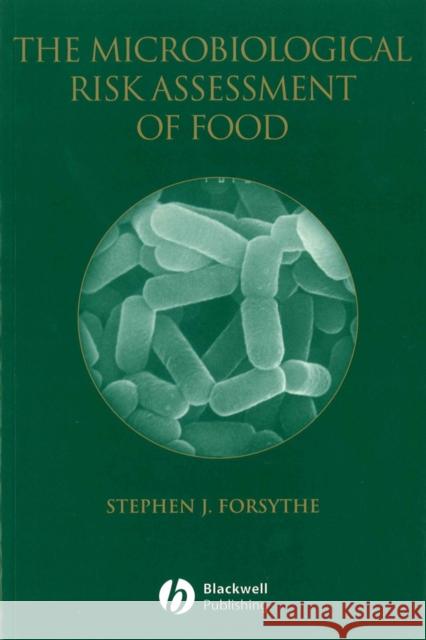
The Microbiological Risk Assessment of Food Stephen Forsythe S. J. Forsythe 9780632059522 Iowa State Press - książkaWidoczna okładka, to zdjęcie poglądowe, a rzeczywista szata graficzna może różnić się od prezentowanej.

The Microbiological Risk Assessment of Food

ISBN-13: 9780632059522 / Angielski / Miękka / 2002 / 220 str.

Stephen Forsythe; S. J. Forsythe
cena 429,28
(netto: 408,84 VAT:  5%)

Najniższa cena z 30 dni: 426,64
Termin realizacji zamówienia:
ok. 30 dni roboczych
Dostawa w 2026 r.

Darmowa dostawa!

The Microbiological Risk Assessment of Food follows on from the author's successful book The Microbiology of Safe Food and provides a detailed analysis of the subject area including cutting-edge information on: foodborne pathogens in world trade; food safety, control and HACCP; risk analysis; the application of microbiological risk assessment (MRA) and likely future developments in the techniques and applications of MRA. This important book focuses on what is an acceptable level of risk to consumers associated with eating food, on a daily basis, which does contain bacteria. An extremely important addition to the available literature, providing a thorough synthesis that will be an essential purchase for all those involved with issues relating to safe food. Copies of the book should be available to practitioners in food companies and academia, including food microbiologists, food scientists and technologists, to consultants and to all those studying or teaching food microbiology. Personnel in government regulatory and public and environmental health capacities will find much of use within the covers of this book. Copies of the book should also be available in the libraries of all research establishments and university departments where food science, food technology and microbiology are studied and taught.
Stephen J. Forsythe is Reader in Microbiology at the Department of Life Sciences, Nottingham Trent University, UK. Cover Photograph: Lactobacillus case Shirota by kind permission and courtesy of Yakult UK Ltd.


Kategorie:
Nauka, Biologia i przyroda
Kategorie BISAC:
Science > Mikrobiologia
Technology & Engineering > Food Science - General
Medical > Health Risk Assessment
Wydawca:
Iowa State Press
Język:
Angielski
ISBN-13:
9780632059522
Rok wydania:
2002
Ilość stron:
220
Waga:
0.34 kg
Wymiary:
23.2 x 15.5 x 0.6
Oprawa:
Miękka
Wolumenów:
01
Dodatkowe informacje:
Glosariusz/słownik

"This book should serve as background reading for those interested in the field of microbial risk assessment" Pradeep Malakar, Microbiology Today, 2003.

Foodborne Microbial Pathogens in World Trade: Foodborne microbial pathogens; Chronic sequelae following foodborne illness; Emergence and re–emergence of foodborne pathogens and toxins; Changes in host susceptibility and exposure; Processing methods and globalisation of the food industry; Changes in consumption pattern; Immunological status; Malnutrition; Changing perceptions and values; Risk of food poisoning; The cost of foodborne diseases; International control of microbiological hazards in foods; Sanitary and Phytosanitary (SPS) Agreement; Origin of microbiological risk assessment.

Food Safety, Control and HACCP: Outline of HACCP; Food hazards; Pre–HACCP Principles; Principle 1 Hazard Analysis; Principle 2 Critical Control Points; Principle 3 Critical Limits; Principle 4 CCP Monitoring; Principle 5 Corrective Actions; Principle 6 Verification; Principle 7 Record–keeping; Control at source; Product design and process control; Intrinsic and extrinsic factors affecting microbial growth; Irradiation; High Pressure Technology; Temperature control of microbiological hazards; Microbial response to stress; Response to pH stress; Heat– and cold shock response; Response to osmotic shock; Response to high hydrostatic pressure; Predictive modelling ; Primary models and the Gompertz and Baranyi equations; Secondary models; Tertiary models ; Microbiological Criteria; Attributes sampling plan; Operating characterisitic curve.

Risk Analysis: Overview of Microbiological Risk Assessment; Risk Assessment; Risk Management; Risk Communication; Risk Assessment; Statement of purpose; Hazard Identification; Exposure Assessment; Hazard Characterization; Preface; Dose–response assessment; Dose–response models; Dose and infection; Risk Characterization; Production of a formal report; Triangular distributions and Monte Carlo simulation; Risk Management; Risk assessment policy; Risk Profiling; Food Safety Objectives; Risk Communication.

Application of Microbiological Risk Assessment: Salmonella spp.; S. Enteritidis in shell eggs and egg products; Hazard identification and hazard characterization of Salmonella in broilers and eggs; Exposure assessment of Salmonella Enteritidis in eggs; Exposure assessment of Salmonella spp. in broilers; Salmonella spp. in cooked chicken; Salmonella spp. in cooked patty; Poultry FARM; Domestic and sporadic human salmonellosis; Campylobacter jejuni/coli; jejuni risk from fresh chicken; Risk profile for pathogenic species of Campylobacter in Denmark; Risk assessment of C. jejuni in broilers; Campylobacter fluoroquinolone resistance; Listeria monocytogenes; L. monocytogenes hazard identification and hazard characterization in ready–to–eat foods; L. monocytogenes exposure assessment in ready–to–eat foods; Relative risk of L. monocytogenes in selected ready–to–eat foods; L. monocytogenes in EU trade; L. monocytogenes in meat balls; Enterohaemorrhagic E. coli (EHEC); E. coli O157:H7; E. coli O157:H7 in ground beef; Bacillus cereus; cereus risk assessment ; Vibrio parahaemolyticus; Public health impact of V. parahaemolyticus in raw molluscan shellfish; Mycotoxins; Aflatoxins; Ochratoxins; Other mycotoxins; Rotaviruses; Viral contamination of shellfish and coastal waters.

Future Developments in Microbiological Risk Assessment: International methodology and guidelines; Data; Training courses and use of resources; Microbiological risk assessment support system; Glossary of terms used in risk analysis; References; Internet directory; Index

Dr Stephen J. Forsythe is Reader in Microbiology at the Department of Life Sciences, Nottingham Trent University, UK.

The Microbiological Risk Assessment of Food follows on from the author′s successful book The Microbiology of Safe Food and provides a detailed analysis of the subject area including cutting–edge information on: foodborne pathogens in world trade; food safety, control and HACCP; risk analysis; the application of microbiological risk assessment (MRA) and likely future developments in the techniques and applications of MRA.

This important book focuses on what is an acceptable level of risk to consumers associated with eating food, on a daily basis, which does contain bacteria. An extremely important addition to the available literature, providing a thorough synthesis that will be an essential purchase for all those involved with issues relating to safe food.

Copies of the book should be available to practitioners in food companies and academia, including food microbiologists, food scientists and technologists, to consultants and to all those studying or teaching food microbiology. Personnel in government regulatory and public and environmental health capacities will find much of use within the covers of this book. Copies of the book should also be available in the libraries of all research establishments and university departments where food science, food technology and microbiology are studied and taught.

Forsythe, S. J. Dr Stephen Forsythe has many years' experience of ... więcej >


Udostępnij

Facebook - konto krainaksiazek.pl


Opinie o Krainaksiazek.pl na Opineo.pl

Partner Mybenefit

Krainaksiazek.pl w programie rzetelna firma Krainaksiaze.pl - płatności przez paypal

Czytaj nas na:

Facebook - krainaksiazek.pl
  • książki na zamówienie
  • granty
  • książka na prezent
  • kontakt
  • pomoc
  • opinie
  • regulamin
  • polityka prywatności

Zobacz:

  • Księgarnia czeska

  • Wydawnictwo Książkowe Klimaty

1997-2025 DolnySlask.com Agencja Internetowa

© 1997-2022 krainaksiazek.pl
     
KONTAKT | REGULAMIN | POLITYKA PRYWATNOŚCI | USTAWIENIA PRYWATNOŚCI
Zobacz: Księgarnia Czeska | Wydawnictwo Książkowe Klimaty | Mapa strony | Lista autorów
KrainaKsiazek.PL - Księgarnia Internetowa

Polityka prywatnosci - link
Krainaksiazek.pl - płatnośc Przelewy24
Przechowalnia Przechowalnia





