• Wyszukiwanie zaawansowane
  • Kategorie
  • Kategorie BISAC
  • Książki na zamówienie
  • Promocje
  • Granty
  • Książka na prezent
  • Opinie
  • Pomoc
  • Załóż konto
  • Zaloguj się

Potato Breeding: Theory and Practice » książka

zaloguj się | załóż konto
Logo Krainaksiazek.pl

koszyk

konto

szukaj
topmenu
Księgarnia internetowa
Szukaj
Książki na zamówienie
Promocje
Granty
Książka na prezent
Moje konto
Pomoc
 
 
Wyszukiwanie zaawansowane
Pusty koszyk
Bezpłatna dostawa dla zamówień powyżej 20 złBezpłatna dostawa dla zamówień powyżej 20 zł

Kategorie główne

• Nauka
 [2946912]
• Literatura piękna
 [1852311]

  więcej...
• Turystyka
 [71421]
• Informatyka
 [150889]
• Komiksy
 [35717]
• Encyklopedie
 [23177]
• Dziecięca
 [617324]
• Hobby
 [138808]
• AudioBooki
 [1671]
• Literatura faktu
 [228371]
• Muzyka CD
 [400]
• Słowniki
 [2841]
• Inne
 [445428]
• Kalendarze
 [1545]
• Podręczniki
 [166819]
• Poradniki
 [480180]
• Religia
 [510412]
• Czasopisma
 [525]
• Sport
 [61271]
• Sztuka
 [242929]
• CD, DVD, Video
 [3371]
• Technologie
 [219258]
• Zdrowie
 [100961]
• Książkowe Klimaty
 [124]
• Zabawki
 [2341]
• Puzzle, gry
 [3766]
• Literatura w języku ukraińskim
 [255]
• Art. papiernicze i szkolne
 [7810]
Kategorie szczegółowe BISAC

Potato Breeding: Theory and Practice

ISBN-13: 9783030644130 / Angielski / Twarda / 2021 / 563 str.
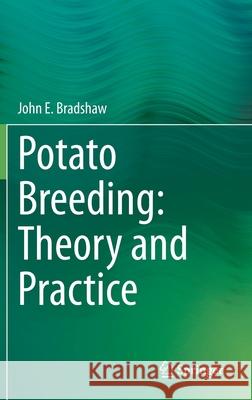
John E. Bradshaw
Potato Breeding: Theory and Practice John E. Bradshaw 9783030644130 Springer - książkaWidoczna okładka, to zdjęcie poglądowe, a rzeczywista szata graficzna może różnić się od prezentowanej.

Potato Breeding: Theory and Practice

ISBN-13: 9783030644130 / Angielski / Twarda / 2021 / 563 str.

John E. Bradshaw
cena 885,61
(netto: 843,44 VAT:  5%)

Najniższa cena z 30 dni: 848,19
Termin realizacji zamówienia:
ok. 22 dni roboczych
Bez gwarancji dostawy przed świętami

Darmowa dostawa!
inne wydania
Kategorie:
Nauka, Biologia i przyroda
Kategorie BISAC:
Science > Botanika
Technology & Engineering > Agriculture - General
Science > Biochemia
Wydawca:
Springer
Język:
Angielski
ISBN-13:
9783030644130
Rok wydania:
2021
Wydanie:
2021
Ilość stron:
563
Waga:
0.98 kg
Wymiary:
23.39 x 15.6 x 3.17
Oprawa:
Twarda
Wolumenów:
01
Dodatkowe informacje:
Wydanie ilustrowane


1.   Domestication to 21st century cultivars (i.e. historical introduction but including some modern analysis)


2.   Need for new cultivars (FAO objectives, yield gap, nutritional value, ideotypes, climate change, end uses and target environments)


3.   Utilization of germplasm: wild relatives, land races and modern cultivars (recent molecular studies and genetic structure of landraces, revised taxonomy of wild relatives)


4.   Utilization of genes and their alleles (major genes, QTLs of large effect and polygenes)


5.   Introgression breeding (diploid, tetraploid and marker-assisted)


6.   Population improvement (diploid and tetraploid, base broadening, combining major genes and QTLs and combining polygenes through genomic selection)


7.   Breeding clonally propagated cultivars (diploid and tetraploid, multistage and multi-trait selection)


8.   Seed-tuber production (including problems faced by poor farmers in ‘developing countries’)


9.   Breeding TPS propagated cultivars (diploid and tetraploid)


10. Breeding diploid F1 hybrids for TPS propagation


11. Genetically modified potatoes


12. Breeding for disease and pest resistance (theory, practice and problems)

John Bradshaw spent the whole of his 34-year career (1975-2009) as a plant breeder and geneticist at what is now the James Hutton Institute in Dundee, Scotland; having studied genetics and applied genetics in England at the Universities of Cambridge (BA), Birmingham (MSc) and East Anglia (PhD). He is currently an Honorary Associate of the James Hutton Institute. He worked on barley, brassicas (kale, swedes and turnips) and potatoes; doing research on the applications of genetics to plant breeding as well as breeding finished cultivars.  He was particularly interested in methods of kale population improvement, the genetic basis of hybrid vigour in swedes, the theory and practice of linkage and QTL analysis in tetraploid potatoes, and breeding for quantitative resistance to pests and diseases (clubroot in kale, powdery mildew in swedes, and late blight and cyst nematodes in potatoes). He has written extensively on plant breeding and genetics and is widely travelled. He has been an Honorary Fellow of the Indian Potato Association since 2008. In 2010 he received the British Potato Industry Award in recognition of his contribution to potato research and knowledge transfer. Throughout his career he was a member of EUCARPIA, the European Association for Research on Plant Breeding, and having served as Chairperson of the Section Potatoes was made an honorary member in May 2012. He is a member of EAPR, the European Association for Potato Research, and has been Co-ordinating Editor of their journal Potato Research since December 2017. His previous book Plant Breeding: Past, Present and Future was published by Springer in 2016.

The potato (Solanum tuberosum) is the world’s fourth most important food crop after maize, rice and wheat with 377 million tonnes fresh-weight of tubers produced in 2016 from 19.2 million hectares of land, in 163 countries, giving a global average yield of 19.6 t ha-1 (http://faostat.fao.org). About 62% of production (234 million tonnes) was in Asia (191), Africa (25) and Latin America (18) as a result of steady increases in recent years, particularly in China and India. As a major food crop, the potato has an important role to play in the United Nations “2030 Agenda for Sustainable Development” which started on 1 January 2016 (http://faostat.fao.org). By 2030 the aim is to “ensure access by all people, in particular the poor and people in vulnerable situations, including infants, to safe, nutritious and sufficient food all year round”. By then, the world population is expected to reach 8.5 billion and continue to increase to 9.7 billion in 2050. For potatoes, the need is to increase production and improve nutritional value during a period of climate change, a key aspect of which will be the breeding of new cultivars for a wide range of target environments and consumers.

The aim of the book is to help this endeavour by providing detailed information in three parts on both the theory and practice of potato breeding. Part I deals with the history of potato improvement and with potato genetics. Part II deals with breeding objectives, divided into improving yield, quality traits and resistance to the most important diseases and pests of potatoes. Part III  deals with breeding methods: first, the use of landraces and wild relatives of potato in introgression breeding, base broadening and population improvement; second, breeding clonally propagated cultivars as a way to deliver potato improvement to farmers’ fields; third, as an alternative, breeding potato cultivars for propagation through true potato seed; and fourth, gene editing and genetic transformation as ways of making further improvements to already successful and widely grown cultivars. Included are marker-assisted introgression and selection of specific alleles, genomic selection of many unspecified alleles and diploid F1 hybrid breeding.


Udostępnij

Facebook - konto krainaksiazek.pl


Opinie o Krainaksiazek.pl na Opineo.pl

Partner Mybenefit

Krainaksiazek.pl w programie rzetelna firma Krainaksiaze.pl - płatności przez paypal

Czytaj nas na:

Facebook - krainaksiazek.pl
  • książki na zamówienie
  • granty
  • książka na prezent
  • kontakt
  • pomoc
  • opinie
  • regulamin
  • polityka prywatności

Zobacz:

  • Księgarnia czeska

  • Wydawnictwo Książkowe Klimaty

1997-2025 DolnySlask.com Agencja Internetowa

© 1997-2022 krainaksiazek.pl
     
KONTAKT | REGULAMIN | POLITYKA PRYWATNOŚCI | USTAWIENIA PRYWATNOŚCI
Zobacz: Księgarnia Czeska | Wydawnictwo Książkowe Klimaty | Mapa strony | Lista autorów
KrainaKsiazek.PL - Księgarnia Internetowa

Polityka prywatnosci - link
Krainaksiazek.pl - płatnośc Przelewy24
Przechowalnia Przechowalnia







