• Wyszukiwanie zaawansowane
  • Kategorie
  • Kategorie BISAC
  • Książki na zamówienie
  • Promocje
  • Granty
  • Książka na prezent
  • Opinie
  • Pomoc
  • Załóż konto
  • Zaloguj się

Pheochromocytoma: First International Symposium, Volume 1073 » książka


zaloguj się | załóż konto
Logo Krainaksiazek.pl

koszyk

konto

szukaj
topmenu
Księgarnia internetowa
Szukaj
Książki na zamówienie
Promocje
Granty
Książka na prezent
Moje konto
Pomoc
 
 
Wyszukiwanie zaawansowane
Pusty koszyk
Bezpłatna dostawa dla zamówień powyżej 20 złBezpłatna dostawa dla zamówień powyżej 20 zł

Kategorie główne

• Nauka
 [2946600]
• Literatura piękna
 [1856966]

  więcej...
• Turystyka
 [72221]
• Informatyka
 [151456]
• Komiksy
 [35826]
• Encyklopedie
 [23190]
• Dziecięca
 [619653]
• Hobby
 [140543]
• AudioBooki
 [1577]
• Literatura faktu
 [228355]
• Muzyka CD
 [410]
• Słowniki
 [2874]
• Inne
 [445822]
• Kalendarze
 [1744]
• Podręczniki
 [167141]
• Poradniki
 [482898]
• Religia
 [510455]
• Czasopisma
 [526]
• Sport
 [61590]
• Sztuka
 [243598]
• CD, DVD, Video
 [3423]
• Technologie
 [219201]
• Zdrowie
 [101638]
• Książkowe Klimaty
 [124]
• Zabawki
 [2473]
• Puzzle, gry
 [3898]
• Literatura w języku ukraińskim
 [254]
• Art. papiernicze i szkolne
 [8170]
Kategorie szczegółowe BISAC

Pheochromocytoma: First International Symposium, Volume 1073

ISBN-13: 9781573315975 / Angielski / Miękka / 2006 / 328 str.
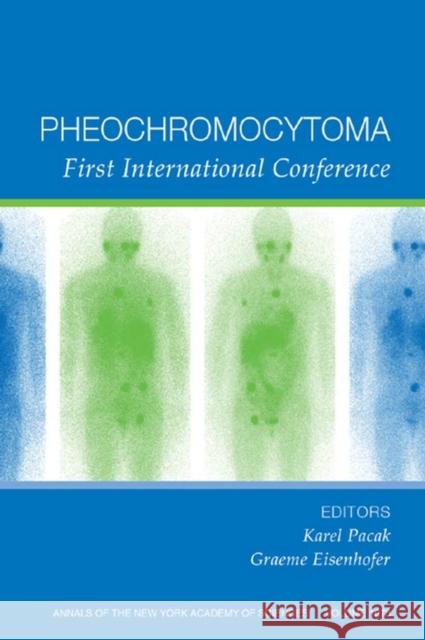
Karel Pacak; Graeme Eisenhofer
Pheochromocytoma: First International Symposium, Volume 1073 Pacak, Karel 9781573315975 Blackwell Publishers - książkaWidoczna okładka, to zdjęcie poglądowe, a rzeczywista szata graficzna może różnić się od prezentowanej.

Pheochromocytoma: First International Symposium, Volume 1073

ISBN-13: 9781573315975 / Angielski / Miękka / 2006 / 328 str.

Karel Pacak; Graeme Eisenhofer
cena 787,66 zł
(netto: 750,15 VAT:  5%)

Najniższa cena z 30 dni: 783,35 zł
Termin realizacji zamówienia:
ok. 16-18 dni roboczych
Bez gwarancji dostawy przed świętami

Darmowa dostawa!

Pheochromocytoma is a rare neuroendocrine tumor with a highly variable presentation. There is lack of agreement about the most efficient and cost-effective methods for diagnosis and localization of the tumor, which can be lethal if not identified and treated promptly.Autopsy studies indicate that up to 50% of all cases remain undiagnosed until death.
Between 30 and 35% of the tumors have a hereditary basis. Development of malignancy is highly variable -- from less than 5% to more than 50% depending on the mutation; there is currently no effective cure.
This volume encompasses a number of themes in several sections: genetics and clinical decision-making; genetics, molecular pathways of tumorigenesis, and divergent phenotypes; kaleidoscopic presentations and a minefield for differential diagnosis of pheochromocytoma; biochemical diagnosis: can we reach consensus?; tumor localization and the evolving importance of functional imaging; and new molecular markers and targets for diagnosis and treatment of malignant pheochromcytoma.
NOTE: Annals volumes are available for sale as individual books or as a journal. For information on institutional journal subscriptions, please visit www.blackwellpublishing.com/nyas. ACADEMY MEMBERS Please contact the New York Academy of Sciences directly to place your order (www.nyas.org). Members of the New York Academy of Science receive full-text access to the Annals online and discounts on print volumes. Please visit http: //www.nyas.org/MemberCenter/Join.aspx for more information about becoming a member


Kategorie:
Nauka, Medycyna
Kategorie BISAC:
Medical > Neuroscience
Wydawca:
Blackwell Publishers
Seria wydawnicza:
Annals of the New York Academy of Science
Język:
Angielski
ISBN-13:
9781573315975
Rok wydania:
2006
Numer serii:
000162749
Ilość stron:
328
Waga:
0.79 kg
Wymiary:
23.11 x 15.29 x 3.28
Oprawa:
Miękka
Wolumenów:
01
Dodatkowe informacje:
Bibliografia
Wydanie ilustrowane

Introduction: Karel Pacak and Graeme Eisenhofer.

Part I: Pheochromocytoma: A Kaleidoscope of Presentations and a Minefield for Differential Diagnosis: 1. Diagnostic Challenges and Vagaries of Pheochromocytoma: William M. Manger.

2. Clinical Characteristics of Incidentally–Discovered Pheochromocytoma Based on Experience in 50 Proven Cases: Emmanuel L. Bravo.

3. Clinical Experience with 1080 Adrenal Incidentalomas Observed at a Single Endocrinological Center: A Place for Chromaffin Tumors: Anna Kasperlik–Zaluska.

4. Characteristics of pheochromocytoma in a 4– to 20–year–old population: Marta Barontini.

5. Pheochromocytoma During Pregnancy: A Literature Survey: Henri Timmers.

6. Lack of Symptomatology in Patients with Histological Evidence of Pheochromocytoma: A Diagnostic Challenge: Debbie L. Cohen.

Part II: Genetics: Increasing Importance for Clinical Decision–Making:.

7. Predictors and Prevalence of Paraganglioma Syndrome Associated with Mutations of the SDHC Gene: Hartmut Neumann.

8. Genetic Analysis of Pheochromocytoma: The Rotterdam Experience: Winand N.M. Dinjens.

9. Molecular Genetic Analysis of the NF1 Gene in Neurofibromatosis–Associated Pheochromocytoma: Birke Bausch.

10. Candidate Gene Mutation Analysis in Pediatric Pheochromocytomas: Ronald R. de Krijger.

11. Familial Non–Syndromic Pheochromocytoma: Giuseppe Opocher.

12. Genetic Mutation Screening in an Italian Cohort of Non–Syndromic Pheochromocytoma/ Paraganglioma Patients: Maurizio Castellano.

13. Importance of SDHB Mutation Testing in Patients with Malignant Pheochromocytoma: Frederieke Brouwers.

Part III: Pheochromocytoma/Paraganglioma Syndromes:.

14. Paragangliomas: Clinical Overview: William F. Young, Jr.

15. Genetics of Pheochromocytoma/Paraganglioma Syndromes: Anne–Paule Gimenez–Roqueplo.

16. SDHD, SDHB Mutations: Different Phenotype and Penetrance (International SDH Consortium): Diana Benn.

17. Mutational Spectrum of Paragangliomas Obtained from Archival Paraffin Sections: Jeffrey Kant.

18. Sporadic SDHB Mutation in an Extra–Adrenal Pheochromocytoma: Francien H. Van Nederveen.

19. SDHD Founder Mutation in Italian Families with Head and Neck Paraganglioma: Francesca Schiavi.

Part IV: Tumor Biology, Molecular Pathways of and Genotype/Phenotype Relationships:.

20. Role of Familial Pheochromocytoma Genes in Developmental Culling of Sympathetic Progenitors: William Kaelin.

21. RET Receptor Signalling: Dissecting Receptor Function and Dysfunction: Lois Mulligan.

22. Hereditary Paraganglioma: An Emerging Link Between Krebs Cycle and Hypoxic Signaling: Bora E. Baysal.

23. Linking Hypoxia and Redox Signals in Pheochromocytoma: Transcription Association of VHL and SDH Mutations: Patricia Dahia.

24. Expression of mRNAs for Succinate Dehydrogenase Subunits and Related Genes in Pheochromocytoma: Kazumasa Isobe.

25. Low SDHB Expression by Immunohistochemistry Discriminates Pheochromocytoma with SDHB, SDHD and VHL Mutations from Other Hereditary Forms: Sandro Santagata.

26. Mouse Pheochromocytoma Cell Lines Reveal Transcriptional Silencing of Adrenergic Phenotype by Neurotrophin and cAMP: Marian J. Evinger.

Part V: Biochemical Diagnosis and Tumor Localization:.

27. Plasma Free Metanephrines for Diagnosis of Pheochromocytoma: False Positives and Effects of Sampling Conditions: Jacques W.M. Lenders.

28. Advancements in Biochemical Diagnosis of Pheochromocytoma: Ravinder Singh.

29. Multicenter Study on the Diagnostic Value of a New RIA for the Detection of Free Plasma Metanephrines in the Work–Up for Pheochromocytoma: Tomas Lenz.

30. Diagnostic Value of Plasma and Urinary Metanephrines and Catecholamines for the Diagnosis of Pheochromocytoma in Patients with Adrenal mass: Stephan Petersenn.

31. Evolving Role of PET Imaging for Diagnostic Localization of Pheochromocytoma: Karel Pacak.

32. Elusive Pheochromocytomas: Detection with Functional Imaging Using MIBG and FDG PET: Barry L. Shulkin.

Part VI: Management and Treatment of Pheochromocytoma:.

33. Risk–Oriented Surgical Approach to Hereditary Pheochromocytoma: Henning Dralle.

34. The Course of Urinary Metanephrine Excretion in Recurrent and Malignant Pheochromocytoma: Pierre–Francois Plouin.

35. Mortality Associated with Pheochromocytoma: Increased Risk of Additional Tumors: Amir Khorram–Manesh.

36. Clinical Analysis and Management of Pheochromocytoma: Experience from 360 Cases in Peking Union Medical College Hospital (PUMCH), Beijing, China: Zheng–pei Zeng.

37. Magnesium Sulfate in the Perioperative Management of Pheochromocytoma: Michael F. James.

38. Treatment of Bilateral Pheochromocytoma and Adrenal Medullary Hyperplasia: Svante Jansson.

Part VII: Malignant Pheochromocytoma:.

39. Phase II Study of High–Dose 131I–MIBG Therapy for Patients with Malignant Pheochromocytoma and Paraganglioma: Paul A. Fitzgerald.

40. 131I–MIBG Radiotherapy: Long–term Experience with Treatment of Malignant Pheochromocytoma and Paraganglioma: Jon P. Gockerman.

41. AT2 Receptor Stimulation May Halt Progression of Pheochromocytoma: Morris J. Brown.

42. Can Quantification of VMAT and SSTR Expression be Helpful for Planning Radionuclide Therapy of Malignant Pheochromocytomas: Lars Kölby.

43. Development of Novel Tools for the Diagnosis and Prognosis of Pheochromocytomas Using Peptide Marker Immunoassay and Gene Expression Profiling Approaches: Youssef Anouar.

44. Gene Expression Profiling of Benign and Malignant Pheochromocytoma: New Markers for Prognosis and Targets for Treatments: Peter Munson & Graeme Eisenhofer

Pheochromocytoma is a rare neuroendocrine tumor with a highly variable presentation. There is lack of agreement about the most efficient and cost–effective methods for diagnosis and localization of the tumor, which can be lethal if not identified and treated promptly.Autopsy studies indicate that up to 50% of all cases remain undiagnosed until death.

Between 30 and 35% of the tumors have a hereditary basis. Development of malignancy is highly variable –– from less than 5% to more than 50% depending on the mutation; there is currently no effective cure.

This volume encompasses a number of themes in several sections: genetics and clinical decision–making; genetics, molecular pathways of tumorigenesis, and divergent phenotypes; kaleidoscopic presentations and a minefield for differential diagnosis of pheochromocytoma; biochemical diagnosis: can we reach consensus?; tumor localization and the evolving importance of functional imaging; and new molecular markers and targets for diagnosis and treatment of malignant pheochromcytoma.


NOTE: Annals volumes are available for sale as individual books or as a journal. For information on institutional journal subscriptions, please visit www.blackwellpublishing.com/nyas.

ACADEMY MEMBERS: Please contact the New York Academy of Sciences directly to place your order (www.nyas.org). Members of the New York Academy of Science receive full–text access to the Annals online and discounts on print volumes. Please visit www.nyas.org/membership/main.asp for more information about becoming a member.

Pacak, Karel Professor Karel Pacak put together the Pheochromoc... więcej >


Udostępnij

Facebook - konto krainaksiazek.pl


Opinie o Krainaksiazek.pl na Opineo.pl

Partner Mybenefit

Krainaksiazek.pl w programie rzetelna firma Krainaksiaze.pl - płatności przez paypal

Czytaj nas na:

Facebook - krainaksiazek.pl
  • książki na zamówienie
  • granty
  • książka na prezent
  • kontakt
  • pomoc
  • opinie
  • regulamin
  • polityka prywatności

Zobacz:

  • Księgarnia czeska

  • Wydawnictwo Książkowe Klimaty

1997-2025 DolnySlask.com Agencja Internetowa

© 1997-2022 krainaksiazek.pl
     
KONTAKT | REGULAMIN | POLITYKA PRYWATNOŚCI | USTAWIENIA PRYWATNOŚCI
Zobacz: Księgarnia Czeska | Wydawnictwo Książkowe Klimaty | Mapa strony | Lista autorów
KrainaKsiazek.PL - Księgarnia Internetowa

Polityka prywatnosci - link
Krainaksiazek.pl - płatnośc Przelewy24
Przechowalnia Przechowalnia






