• Wyszukiwanie zaawansowane
  • Kategorie
  • Kategorie BISAC
  • Książki na zamówienie
  • Promocje
  • Granty
  • Książka na prezent
  • Opinie
  • Pomoc
  • Załóż konto
  • Zaloguj się

Nutrition and the Adult: Macronutrients Volume 3a » książka


zaloguj się | załóż konto
Logo Krainaksiazek.pl

koszyk

konto

szukaj
topmenu
Księgarnia internetowa
Szukaj
Książki na zamówienie
Promocje
Granty
Książka na prezent
Moje konto
Pomoc
 
 
Wyszukiwanie zaawansowane
Pusty koszyk
Bezpłatna dostawa dla zamówień powyżej 20 złBezpłatna dostawa dla zamówień powyżej 20 zł

Kategorie główne

• Nauka
 [2946912]
• Literatura piękna
 [1852311]

  więcej...
• Turystyka
 [71421]
• Informatyka
 [150889]
• Komiksy
 [35717]
• Encyklopedie
 [23177]
• Dziecięca
 [617324]
• Hobby
 [138808]
• AudioBooki
 [1671]
• Literatura faktu
 [228371]
• Muzyka CD
 [400]
• Słowniki
 [2841]
• Inne
 [445428]
• Kalendarze
 [1545]
• Podręczniki
 [166819]
• Poradniki
 [480180]
• Religia
 [510412]
• Czasopisma
 [525]
• Sport
 [61271]
• Sztuka
 [242929]
• CD, DVD, Video
 [3371]
• Technologie
 [219258]
• Zdrowie
 [100961]
• Książkowe Klimaty
 [124]
• Zabawki
 [2341]
• Puzzle, gry
 [3766]
• Literatura w języku ukraińskim
 [255]
• Art. papiernicze i szkolne
 [7810]
Kategorie szczegółowe BISAC

Nutrition and the Adult: Macronutrients Volume 3a

ISBN-13: 9781461330172 / Angielski / Miękka / 2011 / 308 str.
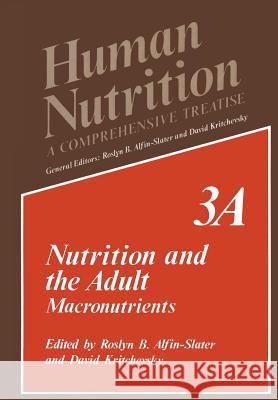
Roslyn B. Alfin-Slater; David Kritchevsky; Roslyn B. Alfin-Slater
Nutrition and the Adult: Macronutrients Volume 3a Alfin-Slater, Roslyn B. 9781461330172 Springer - książkaWidoczna okładka, to zdjęcie poglądowe, a rzeczywista szata graficzna może różnić się od prezentowanej.

Nutrition and the Adult: Macronutrients Volume 3a

ISBN-13: 9781461330172 / Angielski / Miękka / 2011 / 308 str.

Roslyn B. Alfin-Slater; David Kritchevsky; Roslyn B. Alfin-Slater
cena 403,47
(netto: 384,26 VAT:  5%)

Najniższa cena z 30 dni: 385,52
Termin realizacji zamówienia:
ok. 22 dni roboczych
Bez gwarancji dostawy przed świętami

Darmowa dostawa!

The science of nutrition has advanced beyond expectation since Antoine La voisier as early as the 18th century showed that oxygen was necessary to change nutrients in foods to compounds which would become a part of the human body. He was also the first to measure metabolism and to show that oxidation within the body produces heat and energy. In the two hundred years that have elapsed, the essentiality of nitrogen-containing nutrients and of proteins for growth and maintenance of tissue has been established; the ne cessity for carbohydrates and certain types of fat for health has been docu mented; vitamins necessary to prevent deficiency diseases have been identified and isolated; and the requirement of many mineral elements for health has been demonstrated. Further investigations have defined the role of these nutrients in metabolic processes and quantitated their requirements at various stages of development. Additional studies have involved their use in the possible prevention of, and therapy for, disease conditions."


Kategorie:
Nauka, Biologia i przyroda
Kategorie BISAC:
Science > Biochemia
Medical > Nutrition
Wydawca:
Springer
Seria wydawnicza:
Human Nutrition
Język:
Angielski
ISBN-13:
9781461330172
Rok wydania:
2011
Wydanie:
Softcover Repri
Numer serii:
000058593
Ilość stron:
308
Waga:
0.54 kg
Wymiary:
24.4 x 17.0
Oprawa:
Miękka
Wolumenów:
01
Dodatkowe informacje:
Wydanie ilustrowane

1 Nutrient Requirements: What They Are and Bases for Recommendations.- 1. Introduction.- 2. Techniques Used to Determine Nutritional Status.- 2.1. Dietary Surveys.- 2.2. Biochemical Evaluations.- 2.3. Clinical Evaluations.- 2.4. Anthropometric Evaluations.- 3. Standards of Nutrient Intake.- 3.1. History and Definition..- 3.2. Establishing the Allowances..- 4. Energy.- 5. Fats.- 6. Protein.- 7. Vitamins.- 7.1. Fat-Soluble Vitamins.- 7.2. Water-Soluble Vitamins.- 8. Mineral Elements.- 8.1. Calcium.- 8.2. Phosphorus.- 8.3. Magnesium.- 8.4. Sodium.- 8.5. Potassium.- 8.6. Chlorine.- 8.7. Iron.- 8.8. Copper.- 8.9. Iodine.- 8.10. Fluorine.- 8.11. Zinc.- 8.12. Chromium.- 8.13. Cobalt.- 8.14. Manganese.- 8.15. Molybdenum.- 8.16. Selenium.- 8.17. Nickel, Silicon, Tin, and Vanadium.- 9. References.- 2 Energy: Caloric Requirements.- 1. Brief History of Bioenergetics.- 2. Definitions.- 3. Calorimetry.- 3.1. Direct Calorimetry.- 3.2. Indirect Calorimetry.- 3.3. Principles of Indirect Calorimetry.- 3.4. Use of Respiratory Quotient (RQ).- 3.5. Interrelationships.- 4. Assessing Energy Balance.- 4.1. Methods of Assessment.- 4.2. Energy Losses.- 5. Caloric Allowances.- 5.1. Reference Individuals.- 5.2. Adjustments in Caloric Allowance.- 5.3. Comparative Allowances.- 5.4. Classification of Physical Effort.- 6. Metabolic Size.- 7. Caloric Content of Foods.- 7.1. Energy Partition of Ingested Foods.- 7.2. Energy Values of Food Components.- 8. Methods of Determining Caloric Content of Foods.- 8.1. Direct Calorimetry.- 8.2. Indirect Calorimetry (Oxycalorimetry).- 8.3. Oxidation by Chemical Oxidants.- 8.4. Chemical Analyses and Food Composition Tables.- 9. Calories and Obesity.- 9.1. Prevalence of Obesity.- 9.2. Energy Balance.- 9.3. Caloric Equivalent of Weight Loss.- 9.4. Energy Expenditure during Weight Loss.- 10. Undernutrition.- 11. Source of Calories during Exercise.- 12. References.- 3 Suppliers of Energy: Carbohydrates.- 1. Introduction.- 2. Digestion.- 2.1. Starch Hydrolysis.- 2.2. Disaccharide Digestion.- 2.3. Monosaccharide Absorption.- 3. Carbohydrate Tolerance Tests.- 4. Carbohydrate Metabolism in the Liver.- 4.1. Control of Carbohydrate Metabolism in the Liver.- 4.2. Fructose Metabolism in the Liver.- 5. Carbohydrates and Muscle.- 6. Carbohydrates and Adipose Tissue.- 7. Carbohydrate Metabolism in the Brain.- 8. Carbohydrate Metabolism in the Fetus and Neonate.- 9. Carbohydrate and Lipid Metabolism.- 10. Factors Affecting the Metabolic Response to Dietary Carbohydrate.- 10.1. Sex of the Consumer.- 10.2. Type of Fat Accompanying the Carbohydrate.- 10.3. “Sensitivity” of the Consumer.- 10.4. Dietary Protein.- 10.5. Species of Animal.- 11. Carbohydrates in the Etiology of Disease.- 11.1. Obesity.- 11.2. Diabetes.- 11.3. Hypertriglyceridemia.- 11.4. Dental Caries.- 11.5. Skin Disorders.- 11.6. Cataracts.- 11.7. Kwashiorkor.- 12. Other Carbohydrates Consumed by Humans.- 13. Conclusion.- 14. References.- 15. Further Reading.- 4 Suppliers of Energy: Fat.- 1. Introduction.- 2. Distribution of Lipids in the Diet.- 3. Triglycerides: Physical and Chemical Properties.- 4. Digestion and Absorption.- 5. Transport.- 6. Utilization of Fats by Tissues.- 6.1. Heart.- 6.2. Adipose Tissue.- 6.3. Skin.- 6.4. Liver.- 6.5. Central Nervous System.- 7. Fat as an Energy. Source.- 7.1. Fatty Acid Oxidation.- 7.2. Fatty Acid Synthesis.- 8. Fatty Acid Isomerism.- 9. Conclusions.- 10. References.- 5 Suppliers of Energy: Carbohydrate-Fat Interrelationships.- 1. Introduction.- 2. Growth.- 3. Obesity.- 4. Diabetes.- 5. Blood Lipids.- 6. Exercise.- 7. References.- 6 Energetics and the Demands for Maintenance.- 1. Introduction.- 2. Measurement of Energy Exchange.- 2.1. Heat as a Measure of Metabolism.- 2.2. Direct Colorimetry.- 2.3. Indirect Calorimetry.- 3. Partition of Food Energy.- 3.1. Definition of Terms.- 3.2. Basal Metabolic Rate.- 3.3. The Contribution of Various Tissues to Basal Metabolic Rate.- 3.4. Heat Increment.- 3.5. Efficiency of Energy Utilization at Maintenance.- 4. Conclusion.- 5. References.- 7 Nutrients with Special Functions: Proteins and Amino Acids in Tissue Maintenance.- 1. Introduction.- 2. Hydrolysis and Absorption of Dietary Protein.- 2.1. Hydrolysis.- 2.2. Absorption of Free Amino Acids.- 3. Meal-Related Interorgan Movements of Amino Acids.- 4. Protein Synthesis.- 5. Protein Breakdown.- 6. Interrelationships of Amino Acid Supply and Protein and Nucleic Acid Metabolism.- 7. Overall Total-Body Protein Synthesis and Breakdown.- 8. General Conclusions.- 9. References.- 8 Nutrients with Special Functions: Essential Fatty Acids.- 1. What Are the Essential Fatty Acids?.- 2. How Do We Name the Essential Fatty Acids?.- 3. What Structures Confer Essential Fatty Acid Activity?.- 4. How Are the Essential Fatty Acids Obtained?.- 5. How Are the Essential Fatty Acids Synthesized and Altered?.- 6. How Is Essential Fatty Acid Deficiency Established?.- 7. How Do We Recognize Essential Fatty Acid Deficiency in Experimental Animals?.- 8. What About Deficiency Symptoms in Humans?.- 9. What Actually Is the Function of the Essential Fatty Acids?.- 10. What Is an Adequate Intake of Essential Fatty Acids?.- 11. What About Excess Essential Fatty Acids?.- 12. Conclusions.- 13. References.- 9 Nutrients with Special Functions: Cholesterol.- 10 Nutrients with Special Functions: Dietary Fiber.- 1. Introduction.- 2. A Definition of Fiber.- 3. The Composition of Fiber.- 4. Intestinal Function and Disease.- 4.1. Stool Weight and Transit Time.- 4.2. Diverticular Disease.- 4.3. Cancer of the Colon.- 5. Lipid Metabolism and Atherosclerosis.- 5.1. Animals.- 5.2. Humans.- 6. Diabetes Mellitus.- 7. Overconsumption of Fiber.- 8. Summary.- 9. References.


Udostępnij

Facebook - konto krainaksiazek.pl


Opinie o Krainaksiazek.pl na Opineo.pl

Partner Mybenefit

Krainaksiazek.pl w programie rzetelna firma Krainaksiaze.pl - płatności przez paypal

Czytaj nas na:

Facebook - krainaksiazek.pl
  • książki na zamówienie
  • granty
  • książka na prezent
  • kontakt
  • pomoc
  • opinie
  • regulamin
  • polityka prywatności

Zobacz:

  • Księgarnia czeska

  • Wydawnictwo Książkowe Klimaty

1997-2025 DolnySlask.com Agencja Internetowa

© 1997-2022 krainaksiazek.pl
     
KONTAKT | REGULAMIN | POLITYKA PRYWATNOŚCI | USTAWIENIA PRYWATNOŚCI
Zobacz: Księgarnia Czeska | Wydawnictwo Książkowe Klimaty | Mapa strony | Lista autorów
KrainaKsiazek.PL - Księgarnia Internetowa

Polityka prywatnosci - link
Krainaksiazek.pl - płatnośc Przelewy24
Przechowalnia Przechowalnia





