• Wyszukiwanie zaawansowane
  • Kategorie
  • Kategorie BISAC
  • Książki na zamówienie
  • Promocje
  • Granty
  • Książka na prezent
  • Opinie
  • Pomoc
  • Załóż konto
  • Zaloguj się

Natural Gas Hydrate - Arctic Ocean Deepwater Resource Potential » książka


zaloguj się | załóż konto
Logo Krainaksiazek.pl

koszyk

konto

szukaj
topmenu
Księgarnia internetowa
Szukaj
Książki na zamówienie
Promocje
Granty
Książka na prezent
Moje konto
Pomoc
 
 
Wyszukiwanie zaawansowane
Pusty koszyk
Bezpłatna dostawa dla zamówień powyżej 20 złBezpłatna dostawa dla zamówień powyżej 20 zł

Kategorie główne

• Nauka
 [2952079]
• Literatura piękna
 [1850969]

  więcej...
• Turystyka
 [71058]
• Informatyka
 [151066]
• Komiksy
 [35579]
• Encyklopedie
 [23181]
• Dziecięca
 [620496]
• Hobby
 [139036]
• AudioBooki
 [1646]
• Literatura faktu
 [228729]
• Muzyka CD
 [379]
• Słowniki
 [2932]
• Inne
 [445708]
• Kalendarze
 [1409]
• Podręczniki
 [164793]
• Poradniki
 [480107]
• Religia
 [510956]
• Czasopisma
 [511]
• Sport
 [61267]
• Sztuka
 [243299]
• CD, DVD, Video
 [3411]
• Technologie
 [219640]
• Zdrowie
 [100984]
• Książkowe Klimaty
 [124]
• Zabawki
 [2281]
• Puzzle, gry
 [3363]
• Literatura w języku ukraińskim
 [258]
• Art. papiernicze i szkolne
 [8020]
Kategorie szczegółowe BISAC

Natural Gas Hydrate - Arctic Ocean Deepwater Resource Potential

ISBN-13: 9783319025070 / Angielski / Miękka / 2013 / 113 str.
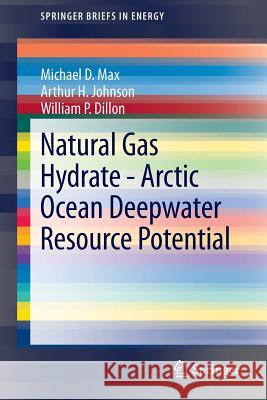
Michael D. Max; Arthur H. Johnson; William P. Dillon
Natural Gas Hydrate - Arctic Ocean Deepwater Resource Potential Michael D. Max Arthur H. Johnson William P. Dillon 9783319025070 Springer - książkaWidoczna okładka, to zdjęcie poglądowe, a rzeczywista szata graficzna może różnić się od prezentowanej.

Natural Gas Hydrate - Arctic Ocean Deepwater Resource Potential

ISBN-13: 9783319025070 / Angielski / Miękka / 2013 / 113 str.

Michael D. Max; Arthur H. Johnson; William P. Dillon
cena 262,25
(netto: 249,76 VAT:  5%)

Najniższa cena z 30 dni: 250,57
Termin realizacji zamówienia:
ok. 22 dni roboczych.

Darmowa dostawa!

The book is an up-to-date basic reference for natural gas hydrate (NGH) in the Arctic Ocean. Geographical, geological, environmental, energy, new technology, and regulatory matters are discussed. The book should be of interest to general readers and scientists and students as well as industry and government agencies concerned with energy and ocean management.NGH is a solid crystalline material that compresses gas by about a factor of about 164 during crystallization from natural gas (mainly methane) - rich pore waters over time. NGH displaces water and may form large concentrations in sediment pore space. Its formation introduces changes in the geotechnical character of host sediment that allows it to be distinguished by seismic and electric exploration methods. The chemical reaction that forms NGH from gas and water molecules is highly reversible, which allows controlled conversion of the NGH to its constituent gas and water. This can be achieved rapidly by one of a number of processes including heating, depressurization, inhibitor injection, dissolution, and molecular replacement. The produced gas has the potential to make NGH a valuable unconventional natural gas resource, and perhaps the largest on earth.Estimates for NGH distribution, concentration, economic targets, and volumes in the Arctic Ocean have been carried out by restricting the economic target to deepwater turbidite sands, which are also sediment hosts for more deeply buried conventional hydrocarbon deposits. Resource base estimates are based on NGH petroleum system analysis approach using industry-standard parameters along with analogs from three relatively well known examples (Nankai-Japan, Gulf of Mexico-United States, and Arctic permafrost hydrate). Drilling data has substantiated new geotechnical-level seismic analysis techniques for estimating not just the presence of NGH but prospect volumes.In addition to a volumetric estimate for NGH having economic potential, a sedimentary depositional model is proposed to aid exploration in the five different regions around the deep central Arctic Ocean basin. Related topics are also discussed. Transport and logistics for NGH may also be applicable for stranded conventional gas and oil deposits. Arising from a discussion of new technology and methodologies that could be applied to developing NGH, suggestions are made for the lowering of exploration and capital expenses that could make NGH competitive on a produced cost basis.The basis for the extraordinarily low environmental risk for exploration and production of NGH is discussed, especially with respect to the environmentally fragile Arctic region. It is suggested that because of the low environmental risk, special regulations could be written that would provide a framework for very low cost and safe development.


Kategorie:
Technologie
Kategorie BISAC:
Science > Energia
Science > Earth Sciences - Geology
Science > Earth Sciences - Oceanography
Wydawca:
Springer
Seria wydawnicza:
Springerbriefs in Energy
Język:
Angielski
ISBN-13:
9783319025070
Rok wydania:
2013
Wydanie:
2013
Numer serii:
000444563
Ilość stron:
113
Waga:
0.18 kg
Wymiary:
22.86 x 15.24 x 1.02
Oprawa:
Miękka
Wolumenów:
01
Dodatkowe informacje:
Wydanie ilustrowane

The Arctic Ocean.- Sediment Delivery Systems: Ice, Rivers and the Continental Margin.- Natural Gas Hydrate: Environmentally Responsive Sequestration of Natural Gas.- NGH as an Unconventional energy Resource.- Elements of the NGH Petroleum System.- Path to NGH Commercialization.- Gas Production from NGH: We Have All the Basic Tools.- What More Do We Need to Know?.- NGH Likelihood in the Arctic Ocean.- Estimates of the NGH Resource Base in the Arctic Region.- Oceanic NGH: Low Risk Resource in Fragile Arctic Environment.- Economic and Political Factors Bearing on NGH Commercialization.- Logistical Factors for Arctic NGH Commercialization.- Natural Gas as Fuel and Renewable Energy Aspects.

The book is an up-to-date basic reference for natural gas hydrate (NGH) in the Arctic Ocean.  Geographical, geological, environmental, energy, new technology, and regulatory matters are discussed. The book should be of interest to general readers and scientists and students as well as industry and government agencies concerned with energy and ocean management.

NGH is a solid crystalline material that compresses gas by about a factor of about 164 during crystallization from natural gas (mainly methane) - rich pore waters over time. NGH displaces water and may form large concentrations in sediment pore space. Its formation introduces changes in the geotechnical character of host sediment that allows it to be distinguished by seismic and electric exploration methods. The chemical reaction that forms NGH from gas and water molecules is highly reversible, which allows controlled conversion of the NGH to its constituent gas and water. This can be achieved rapidly by one of a number of processes including heating, depressurization, inhibitor injection, dissolution, and molecular replacement.  The produced gas has the potential to make NGH a valuable unconventional natural gas resource, and perhaps the largest on earth.

Estimates for NGH distribution, concentration, economic targets, and volumes in the Arctic Ocean have been carried out by restricting the economic target to deepwater turbidite sands, which are also sediment hosts for more deeply buried conventional hydrocarbon deposits.  Resource base estimates are based on NGH petroleum system analysis approach using industry-standard parameters along with analogs from three relatively well known examples (Nankai-Japan, Gulf of Mexico-United States, and Arctic permafrost hydrate). Drilling data has substantiated new geotechnical-level seismic analysis techniques for estimating not just the presence of NGH but prospect volumes.

In addition to a volumetric estimate for NGH having economic potential, a sedimentary depositional model is proposed to aid exploration in the five different regions around the deep central Arctic Ocean basin. Related topics are also discussed. Transport and logistics for NGH may also be applicable for stranded conventional gas and oil deposits. Arising from a discussion of new technology and methodologies that could be applied to developing NGH, suggestions are made for the lowering of exploration and capital expenses that could make NGH competitive on a produced cost basis.

The basis for the extraordinarily low environmental risk for exploration and production of NGH is discussed, especially with respect to the environmentally fragile Arctic region. It is suggested that because of the low environmental risk, special regulations could be written that would provide a framework for very low cost and safe development.




Udostępnij

Facebook - konto krainaksiazek.pl


Opinie o Krainaksiazek.pl na Opineo.pl

Partner Mybenefit

Krainaksiazek.pl w programie rzetelna firma Krainaksiaze.pl - płatności przez paypal

Czytaj nas na:

Facebook - krainaksiazek.pl
  • książki na zamówienie
  • granty
  • książka na prezent
  • kontakt
  • pomoc
  • opinie
  • regulamin
  • polityka prywatności

Zobacz:

  • Księgarnia czeska

  • Wydawnictwo Książkowe Klimaty

1997-2025 DolnySlask.com Agencja Internetowa

© 1997-2022 krainaksiazek.pl
     
KONTAKT | REGULAMIN | POLITYKA PRYWATNOŚCI | USTAWIENIA PRYWATNOŚCI
Zobacz: Księgarnia Czeska | Wydawnictwo Książkowe Klimaty | Mapa strony | Lista autorów
KrainaKsiazek.PL - Księgarnia Internetowa

Polityka prywatnosci - link
Krainaksiazek.pl - płatnośc Przelewy24
Przechowalnia Przechowalnia



