Medicinal Fluorine » książka





Medicinal Fluorine
ISBN-13: 9780470278307 / Angielski / Twarda / 2008 / 384 str.
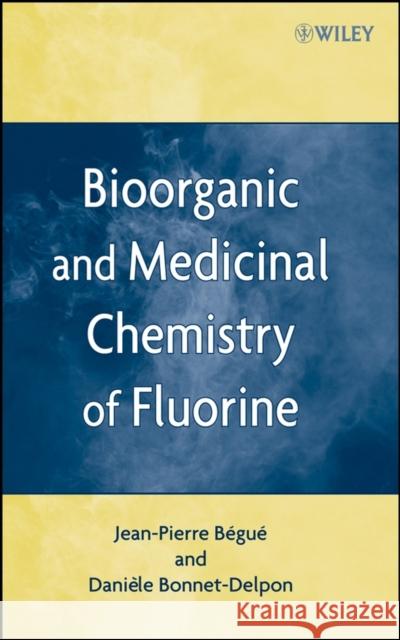
Medicinal Fluorine
ISBN-13: 9780470278307 / Angielski / Twarda / 2008 / 384 str.
(netto: 662,60 VAT: 5%)
Najniższa cena z 30 dni: 687,24
ok. 30 dni roboczych.
Darmowa dostawa!
- Provides a thorough overview of the role of fluorine in pharmaceutical science and development
- Includes chapters on fluorinated analogues of natural products, fluorinated amino acids and peptides, and derivatives of sugars
- Classifies marketed and in-development fluorinated pharmaceuticals according to their therapeutic classes
"This is an excellent book for those contemplating incorporation of fluorine into their drug design research investigations and how it can be accomplished. It is also an excellent reference book for experts in the area. I enthusiastically recommend adding this to both individual and library collections." ( Journal of Medicinal Chemistry, December 25, 2008)
"The book is clearly written and has been adequately translated .Its compact size, and abundance of helpful schemes, figures, tables and structures make it convenient aid for the practicing scientist." (Journal of the American Chemical Society, December 31, 2008)
"I am pleased to recommend Bioorganic and Medicinal Chemistry of Fluorine as an invaluable reference source and stimulus to further research, for pharmaceutical and medicinal chemists, organic chemists, and biochemists in academia and industry, and for advanced students and instructors in these fields." (Angewandte Chemie, October 13, 2008)
Foreword.
Preface to the English Edition
1 General Remarks on Structural, Physical, and Chemical Properties of Fluorinated Compounds.
1.1 Structural Effects.
1.2 Physical Properties.
1.2.1 Boiling Point.
1.2.2 Surface Tension and Activity.
1.2.3 Polarity–Solubility.
1.2.4 Lipophilicity.
1.3 Effects on Electronic Properties and Reactivity.
1.3.1 Effects of Fluorination on Bond Energies and Reactivity.
1.3.2 Effects of Fluorination on the Electronic Repartition of a Molecule.
1.3.3 Acidity, Basicity, and Hydrogen Bond.
1.3.4 Steric Effects.
1.3.5 Fluorination Effects on the Stability of Reaction Intermediates (Carbocations, Carbanions, and Radicals).
References.
2 Overview on the Preparation of Fluorinated Compounds.
2.1 Preparation of Monofluorinated Compounds.
2.1.1 Nucleophilic Fluorination.
2.1.2 Electrophilic Fluorination.
2.1.3 Formation of Carbon Carbon Bonds Starting from Monofluorinated Synthons.
2.2 Preparation of Difluorinated Compounds.
2.2.1 Nucleophilic Fluorination.
2.2.2 Electrophilic Fluorination.
2.2.3 Starting from Di– and Trifluoromethyl Compounds.
2.3 Preparation of Trifluoromethyl Compounds.
2.3.1 Fluorination.
2.3.2 Nucleophilic Trifluoromethylation.
2.3.3 Electrophilic Trifluoromethylation.
2.3.4 Radical Trifluoromethylation.
2.3.5 Metal–Catalyzed Trifluoromethylation.
2.3.6 Formation of Carbon Carbon Bonds from Trifluoromethyl Compounds.
2.4 Synthesis of Perfluoroalkyl Compounds.
References.
3 Effects of Fluorine Substitution on Biological Properties.
3.1 Affinity for the Macromolecule Target.
3.1.1 Steric Effects.
3.1.2 Conformational Changes.
3.1.3 Dipolar Interactions and Electric Field.
3.1.4 Hydrogen Bonds and Other Weak Interactions.
3.1.5 pKa of Amines.
3.1.6 Fluorous Interactions.
3.2 Absorption.
3.2.1 Lipophilicity.
3.2.2 pKa and Solubility.
3.3 Metabolism.
3.3.1 Oxidative Metabolism.
3.3.2 Hydrolytic Metabolism.
3.4 Modification of Chemical Reactivity: Enzyme Inhibitors.
3.4.1 Analogue of Substrates as Inhibitors.
3.4.2 Inhibition by Stabilization or Destabilization of Intermediates of Biological Processes.
3.4.3 Irreversible Inhibition with Mechanism–Based Inhibitors (Suicide Substrates).
References.
4 Fluorinated Analogues of Natural Products.
4.1 Fluorinated Products in Nature.
4.2 Steroids.
4.2.1 Corticosteroids.
4.2.2 Steroids with Trifluoromethyl Groups in Angular Position.
4.2.3 Fluorinated Analogues of Metabolites of Vitamin D3.
4.2.4 Other Fluorinated Steroids.
4.3 Terpenes.
4.3.1 Artemisinin.
4.3.2 Taxol.
4.4 Pigments and Vitamins.
4.4.1 Retinoids.
4.4.2 Carotenoids.
4.4.3 Vitamin D.
4.4.4 Vitamins E and K.
4.4.5 Porphyrins.
4.5 Lipids and Prostanoids.
4.6 Pheromones and Toxins.
4.7 Alkaloids.
4.7.1 Vinca Alkaloids.
4.7.2 Cinchona Alkaloids.
4.7.3 Camptothecin.
4.7.4 Other Fluorinated Alkaloids.
4.8 Macrolides.
4.8.1 Epothilone.
4.8.2 Erythromycin.
4.8.3 Amphotericin B.
4.8.4 Avermectin.
4.9 Anthracyclines.
References.
5 Fluorinated Derivatives of a–Amino Acids and Proteins.
5.1 Fluorinated Aliphatic Amino Acids.
5.1.1 Alanines.
5.1.2 Valines, Leucines, and Isoleucines.
5.1.3 Prolines.
5.2 Aromatic Amino Acids: Phenylalanine, Tyrosine, Histidine, and Tryptophan.
5.3 Functional Fluorinated Amino Acids.
5.3.1 Serines and Threonines.
5.3.2 Aspartic Acids and Arginines.
5.3.3 Glutamic Acids and Glutamines.
5.3.4 Lysine, Ornithine, and Arginine.
5.3.5 Cysteines and Methionines.
5.4 –Fluoroalkyl Amino Acids.
5.4.1 Mono– and Difluoromethyl Amino Acids.
5.4.2 –Trifluoromethyl Amino Acids.
5.5 Incorporation of Fluorinated Amino Acids into Peptides and Proteins.
5.5.1 Polypeptides.
5.5.2 Proteins.
References.
6 Saccharidic Fluorinated Derivatives.
6.1 Glycosyl Fluorides.
6.2 Mono– and Difluorinated Analogues of Sugars.
6.2.1 Fluorinated Furanoses and Nucleosides.
6.2.2 Fluorinated Pyranoses.
6.3 Fluoromethyl Derivatives of Sugars.
6.3.1 Difluorovinyl Compounds.
6.3.2 Difluoromethylene–C–Glycosides.
6.3.3 C–Difluoromethyl Glycosides.
6.3.4 Trifluoromethylated Sugars.
6.4 Perfluoroalkylated Sugars.
6.4.1 Preparation of C–Perfluoroalkyl Sugars.
6.4.2 O– and S–Fluoroalkyl Glycosides.
6.4.3 Applications of Amphiphilic Fluoroalkyl Sugars.
References.
7 Inhibition of Enzymes by Fluorinated Compounds.
7.1 Substrate Analogues.
7.1.1 Fluorine Replaces a Hydrogen Involved in the Catalytic Cycle.
7.1.2 Fluorine Replaces a Hydroxyl.
7.1.3 Fluorinated Analogues of Substrates in Which Fluorine is Not Directly Involved in the Inhibition..
7.2 Destabilization of Reaction Intermediates (or of Transition States) of Enzymatic Processes by Fluorinated Groups.
7.2.1 Prenyl Transfer.
7.2.2 Inhibition of Glycosidases and Glycosyltransferases.
7.2.3 Inhibition of UDP–GlcNAC Enolpyruvyltransferase (MurZ).
7.2.4 Enolpyruvate Shikimate Phosphate Synthase (EPSPS).
7.3 Inhibitors that are Analogues of the Transition State: Di– and Trifluoromethyl Ketones.
7.3.1 Serine Enzymes.
7.3.2 Inhibition of Aspartyl Enzymes.
7.3.3 Inhibition of Metalloproteases.
7.3.4 Cysteine Protease and Thiol Enzymes.
7.4 Mechanism–Based Inhibitors.
7.4.1 Inhibition of Pyridoxal Phosphate Enzymes.
7.4.2 Thymidylate Synthase.
7.4.3 Inhibition of Monoamine Oxidases.
7.4.4 D–Ala–D–Ala Dipeptidase (VanX).
7.4.5 Inhibition of Ribonucleotide Diphosphate Reductase.
7.4.6 Inhibition of S–Adenosylhomocysteine Hydrolase.
7.4.7 Inhibition of Cytidine–50–diphosphate–D–Glucose.
4,6–Dehydratase (CDP D–Glucose 4,6–Dehydratase).
7.4.8 Other Irreversible Inhibitors.
7.5 Fluorinated Inhibitors Involving a Still Unknown Mechanism.
7.5.1 Inhibition of the Steroid C17(20)lyase.
7.5.2 Phosphatidylinositol Phospholipase C (PI–PLC).
7.5.3 Inhibition of the Protein of Transfer of Cholesteryl Esters.
7.5.4 –Fluoropolyamines as Inhibitors of the Biosynthesis of Polyamines.
7.5.5 Inhibition of the Biosynthesis of Cholesterol.
References.
8 Fluorinated Drugs.
8.1 Antitumor and Antiviral Fluorinated Drugs.
8.1.1 Fluoronucleosides.
8.1.2 Other Antitumor and Antiviral Drugs.
8.2 Anti–infectious Drugs.
8.2.1 Fluorinated Antibiotic Drugs.
8.2.2 Antifungal Drugs.
8.2.3 Fluorinated Drugs for Parasitic Diseases.
8.3 Drugs for CNS Disorders.
8.3.1 Neuroleptics.
8.3.2 Drugs for Depressive Disorders.
8.3.3 Anxiolytics and Sedatives.
8.3.4 Other Drugs for CNS Disorders.
8.4 Drugs of Inflammatory and Immunity Disorders.
8.4.1 Fluorocorticosteroids.
8.4.2 H1 Antagonist Antiallergics.
8.4.3 Drugs for Asthma and Respiratory Disorders.
8.4.4 Analgesic and Antiarthritic Drugs.
8.5 Drugs for Cardiovascular Disorders.
8.5.1 Cholesterol Lowering Drugs.
8.5.2 Drugs for Hypertension.
8.5.3 Drugs for Arrhythmias.
8.5.4 Antithrombosis and Anticoagulant Fluorinated Agents.
8.6 Drugs for Gastrointestinal Disorders.
8.6.1 Prevention and Treatment of Ulcer.
8.6.2 Antiemetic Agents.
8.6.3 Drugs for Bowel Disorders.
8.7 Drugs for Endocrine and Metabolic Disorders.
8.7.1 Drugs Acting on Steroid Hormone Receptors.
8.7.2 Drugs for Benign Prostatic Hypertrophy (BPH).
8.7.3 Drugs for Other Urologic Disorders.
8.7.4 Drugs for Calcemia Disorders.
8.7.5 Drugs for Diabetes.
8.7.6 Drugs for Hepatic Disorders.
8.8 Miscellaneous.
8.8.1 Drugs for Ophthalmic Disorders.
8.8.2 Drugs for Genetic Disease.
8.8.3 Contrast and Diagnostic Agents.
8.9 Highly Fluorinated Compounds with Clinical Uses.
8.9.1 General Anesthetics.
8.9.2 Therapeutic Uses of Perfluorocarbons.
8.10 Fluorinated Functions and Motifs in Medicinal Chemistry.
8.10.1 Fluorinated Ethers.
8.10.2 Fluorinated Alcohols and Amines.
8.10.3 Fluorinated Ketones.
8.10.4 Fluoroalkyl Groups.
Appendix: INN and Trademark Names.
References.
Index.
Jean–Pierre Begue, PHD, is Emeritus Director of Research at the Centre National de la recherche Scientifique (CNRS) in France. Danièle Bonnet–Delpon, PHD, is Director of Research at CNRS. The authors and their coworkers have developed the chemistry of fluorinated compounds, from organic synthesis to medicinal chemistry.
The diverse applications of fluorine in bioorganic and medicinal chemistry
The discovery of fluorouracil, fluorocorticoids, and fluoroquinolones has led to expanded interest in and usage of fluorine in chemistry. The first comprehensive reference dedicated to detailing the influence of fluorine on the structural properties of a molecule and on a molecule′s biological behavior, Bioorganic and Medicinal Chemistry of Fluorine uses examples of fluorinated drugs to provide a thorough overview of the role of fluorine in pharmaceutical science and development. Covering established drugs as well as innovative and promising ideas, it includes:
-
An introduction to the structural, physical, and chemical properties of fluorinated compounds and their preparations
-
An examination of fluorinated analogues of natural products, fluorinated amino acids and peptides, and saccharidic derivatives
-
A discussion of the inhibition of enzymes by fluorinated compounds
-
An overview of existing fluorinated pharmaceuticals as well as some in development, categorized according to their therapeutic classes
Complete with references for further study, this is the premier resource on fluorine for pharmaceutical and medicinal chemists in academia and industry, researchers in organic chemistry and biochemistry, and advanced students and educators in pharmaceutical and medicinal chemistry, biochemistry, and organic chemistry.




Czytaj nas na:
1997-2026 DolnySlask.com Agencja Internetowa
KrainaKsiazek.PL - Księgarnia Internetowa


