• Wyszukiwanie zaawansowane
  • Kategorie
  • Kategorie BISAC
  • Książki na zamówienie
  • Promocje
  • Granty
  • Książka na prezent
  • Opinie
  • Pomoc
  • Załóż konto
  • Zaloguj się

Lignocellulose Conversion: Enzymatic and Microbial Tools for Bioethanol Production » książka


zaloguj się | załóż konto
Logo Krainaksiazek.pl

koszyk

konto

szukaj
topmenu
Księgarnia internetowa
Szukaj
Książki na zamówienie
Promocje
Granty
Książka na prezent
Moje konto
Pomoc
 
 
Wyszukiwanie zaawansowane
Pusty koszyk
Bezpłatna dostawa dla zamówień powyżej 20 złBezpłatna dostawa dla zamówień powyżej 20 zł

Kategorie główne

• Nauka
 [2946350]
• Literatura piękna
 [1816154]

  więcej...
• Turystyka
 [70666]
• Informatyka
 [151172]
• Komiksy
 [35576]
• Encyklopedie
 [23172]
• Dziecięca
 [611458]
• Hobby
 [135995]
• AudioBooki
 [1726]
• Literatura faktu
 [225763]
• Muzyka CD
 [378]
• Słowniki
 [2917]
• Inne
 [444280]
• Kalendarze
 [1179]
• Podręczniki
 [166508]
• Poradniki
 [469467]
• Religia
 [507199]
• Czasopisma
 [496]
• Sport
 [61352]
• Sztuka
 [242330]
• CD, DVD, Video
 [3348]
• Technologie
 [219391]
• Zdrowie
 [98638]
• Książkowe Klimaty
 [124]
• Zabawki
 [2382]
• Puzzle, gry
 [3525]
• Literatura w języku ukraińskim
 [259]
• Art. papiernicze i szkolne
 [7107]
Kategorie szczegółowe BISAC

Lignocellulose Conversion: Enzymatic and Microbial Tools for Bioethanol Production

ISBN-13: 9783642442605 / Angielski / Miękka / 2015 / 199 str.
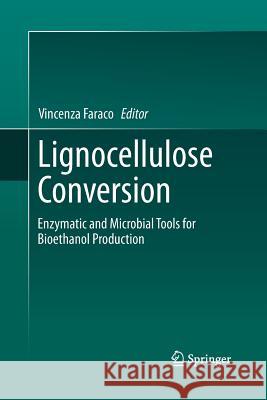
Vincenza Faraco
Lignocellulose Conversion: Enzymatic and Microbial Tools for Bioethanol Production Faraco, Vincenza 9783642442605 Springer - książkaWidoczna okładka, to zdjęcie poglądowe, a rzeczywista szata graficzna może różnić się od prezentowanej.

Lignocellulose Conversion: Enzymatic and Microbial Tools for Bioethanol Production

ISBN-13: 9783642442605 / Angielski / Miękka / 2015 / 199 str.

Vincenza Faraco
cena 603,81
(netto: 575,06 VAT:  5%)

Najniższa cena z 30 dni: 578,30
Termin realizacji zamówienia:
ok. 16-18 dni roboczych.

Darmowa dostawa!

Bioethanol has been recognized as a potential alternative to petroleum-derived transportation fuels. Even if cellulosic biomass is less expensive than corn and sugarcane, the higher costs for its conversion make the near-term price of cellulosic ethanol higher than that of corn ethanol and even more than that of sugarcane ethanol. Conventional process for bioethanol production from lignocellulose includes a chemical/physical pre-treatment of lignocellulose for lignin removal, mostly based on auto hydrolysis and acid hydrolysis, followed by saccharification of the free accessible cellulose portions of the biomass. The highest yields of fermentable sugars from cellulose portion are achieved by means of enzymatic hydrolysis, currently carried out using a mix of cellulases from the fungus Trichoderma reesei. Reduction of (hemi)cellulases production costs is strongly required to increase competitiveness of second generation bioethanol production. The final step is the fermentation of sugars obtained from saccharification, typically performed by the yeast Saccharomyces cerevisiae. The current process is optimized for 6-carbon sugars fermentation, since most of yeasts cannot ferment 5-carbon sugars. Thus, research is aimed at exploring new engineered yeasts abilities to co-ferment 5- and 6-carbon sugars. Among the main routes to advance cellulosic ethanol, consolidate bio-processing, namely direct conversion of biomass into ethanol by a genetically modified microbes, holds tremendous potential to reduce ethanol production costs. Finally, the use of all the components of lignocellulose to produce a large spectra of biobased products is another challenge for further improving competitiveness of second generation bioethanol production, developing a biorefinery."


Kategorie:
Nauka, Biologia i przyroda
Kategorie BISAC:
Science > Biochemia
Science > Mikrobiologia
Science > Biotechnology
Wydawca:
Springer
Język:
Angielski
ISBN-13:
9783642442605
Rok wydania:
2015
Wydanie:
Softcover Repri
Ilość stron:
199
Waga:
3.29 kg
Wymiary:
23.5 x 15.5
Oprawa:
Miękka
Wolumenów:
01
Dodatkowe informacje:
Wydanie ilustrowane

Introduction: Potential of Cellulosic Ethanol.- Sources for Lignocellulosic Raw Materials for the Production of Ethanol.- The Pretreatment Step in Lignocellulosic Biomass Conversion: Current Systems and New Biological Systems.- The Saccharification Step: Trichoderma Reesei Cellulase Hyper Producer Strains.- The Saccharification Step: the Main Enzymatic Components.- Extremophilic (Hemi)cellulolytic Microorganisms and Enzymes.- The Alcohol Fermentation Step: the Most Common Ethanologenic Microorganisms Among Yeasts, Bacteria and Filamentous Fungi.- Other Ethanologenic Microorganisms.- Consolidated Bioprocessing for Improving Cellulosic Ethanol Production.

Lignocellulose conversion stands out as a key process for the sustainable production of renewable fuels and chemicals. The use of lignocellulosic materials for second generation ethanol production makes it possible to minimize the conflict between land use for food (and feed) and energy production. The lignocellulosic raw materials are less expensive and they present a more even geographical distribution than does conventional agricultural feedstock. Residual biomass such as agro-industrial wastes, agricultural and forest crop residues and the organic and paper fractions of municipal solid waste make up a large percentage of lignocelluloses. Moreover, second generation ethanol production and use show lower greenhouse gas emissions than the first generation fuels, reducing environmental impacts, particularly in terms of climate change.

Lignocellulose conversion into ethanol commonly involves a pretreatment to remove the barrier of lignin and expose plant cell wall polysaccharides, enzymatic saccharification of sugars with a cocktail of cellulolytic and hemicellulolytic enzymes, and fermentation of the sugars with ethanologenic microorganisms. The commercialization of the process to produce cellulosic ethanol is still limited due to the high costs of current technologies, above all the (hemi)cellulolytic enzymes required to hydrolyze the polysaccharides. The enzymatic hydrolysis may take place in a separate step followed by fermentation called separate hydrolysis and fermentation, or it may take place together with the fermentation in a simultaneous saccharification and fermentation of hexoses process or simultaneous saccharification and co-fermentation of both hexoses and pentoses. The ultimate objective is one-step consolidated bioprocessing of lignocellulose into bioethanol, in which all the steps take place in a single reactor where a single micro-organism or microbial consortium converts pre-treated biomass into ethanol.

This book presents the main tools, the current technological developments and future prospects in cellulosic ethanol production and research.


Udostępnij

Facebook - konto krainaksiazek.pl


Opinie o Krainaksiazek.pl na Opineo.pl

Partner Mybenefit

Krainaksiazek.pl w programie rzetelna firma Krainaksiaze.pl - płatności przez paypal

Czytaj nas na:

Facebook - krainaksiazek.pl
  • książki na zamówienie
  • granty
  • książka na prezent
  • kontakt
  • pomoc
  • opinie
  • regulamin
  • polityka prywatności

Zobacz:

  • Księgarnia czeska

  • Wydawnictwo Książkowe Klimaty

1997-2026 DolnySlask.com Agencja Internetowa

© 1997-2022 krainaksiazek.pl
     
KONTAKT | REGULAMIN | POLITYKA PRYWATNOŚCI | USTAWIENIA PRYWATNOŚCI
Zobacz: Księgarnia Czeska | Wydawnictwo Książkowe Klimaty | Mapa strony | Lista autorów
KrainaKsiazek.PL - Księgarnia Internetowa

Polityka prywatnosci - link
Krainaksiazek.pl - płatnośc Przelewy24
Przechowalnia Przechowalnia






