In the Shadows of Divine Perfection : Derek Walcott's Omeros » książka





In the Shadows of Divine Perfection : Derek Walcott's Omeros
ISBN-13: 9780415968041 / Angielski / Twarda / 2003 / 150 str.
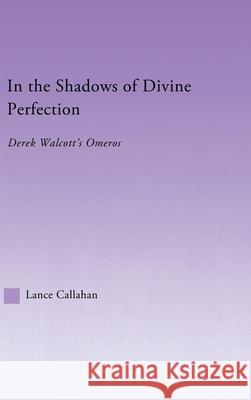
In the Shadows of Divine Perfection : Derek Walcott's Omeros
ISBN-13: 9780415968041 / Angielski / Twarda / 2003 / 150 str.
(netto: 186,53 VAT: 5%)
Najniższa cena z 30 dni: 186,33
ok. 22 dni roboczych.
Darmowa dostawa!
This is an examination of Derek Walcott's Omeros (1990) - the St. Lucian poet's longest work and the piece that secured his Nobel Laureate - that reveals the deep-seated bond between the root narratives of ancient Greece to the cultural products and practices of the contemporary Caribbean. It presents a detailed reading of Walcott's highly controversial attempt to craft a Caribbean master narrative. Callahan shows that the poem's most common figures are ancient Aeolic and Sapphic feet. Also common in calypso lyrics, these metrical features suggest an ambiguity where some critics have found a faithful homage to the European canon. A similar ambiguity exists in the poem's use of epic machinery and poetic practice - an ambiguity figured most forcefully in the shadow image. relationship of Omeros to its epic precursors, this book also presents an overview of the poem's ideological orientation and a far-reaching critique of post-colonial theory. In this book, Callahan engages some of the most vexing problems of authenticity by reading Walcott's work alongside ancient Greek literature and culture.




Czytaj nas na:
KrainaKsiazek.PL - Księgarnia Internetowa


