• Wyszukiwanie zaawansowane
  • Kategorie
  • Kategorie BISAC
  • Książki na zamówienie
  • Promocje
  • Granty
  • Książka na prezent
  • Opinie
  • Pomoc
  • Załóż konto
  • Zaloguj się

Hygiene in Food Processing: Principles and Practice » książka


zaloguj się | załóż konto
Logo Krainaksiazek.pl

koszyk

konto

szukaj
topmenu
Księgarnia internetowa
Szukaj
Książki na zamówienie
Promocje
Granty
Książka na prezent
Moje konto
Pomoc
 
 
Wyszukiwanie zaawansowane
Pusty koszyk
Bezpłatna dostawa dla zamówień powyżej 20 złBezpłatna dostawa dla zamówień powyżej 20 zł

Kategorie główne

• Nauka
 [2949965]
• Literatura piękna
 [1857847]

  więcej...
• Turystyka
 [70818]
• Informatyka
 [151303]
• Komiksy
 [35733]
• Encyklopedie
 [23180]
• Dziecięca
 [617748]
• Hobby
 [139972]
• AudioBooki
 [1650]
• Literatura faktu
 [228361]
• Muzyka CD
 [398]
• Słowniki
 [2862]
• Inne
 [444732]
• Kalendarze
 [1620]
• Podręczniki
 [167233]
• Poradniki
 [482388]
• Religia
 [509867]
• Czasopisma
 [533]
• Sport
 [61361]
• Sztuka
 [243125]
• CD, DVD, Video
 [3451]
• Technologie
 [219309]
• Zdrowie
 [101347]
• Książkowe Klimaty
 [123]
• Zabawki
 [2362]
• Puzzle, gry
 [3791]
• Literatura w języku ukraińskim
 [253]
• Art. papiernicze i szkolne
 [7933]
Kategorie szczegółowe BISAC

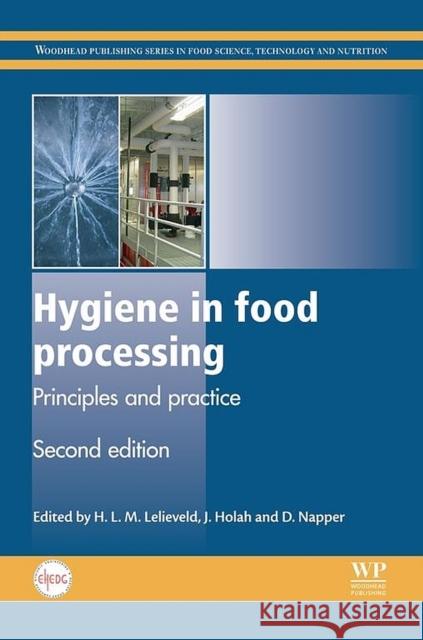
Hygiene in Food Processing: Principles and Practice

ISBN-13: 9780857094292 / Angielski / Twarda / 2013 / 612 str.
Huub Lelieveld; John Holah; David Napper
Hygiene in Food Processing: Principles and Practice Lelieveld, Huub 9780857094292 Woodhead Publishing - książkaWidoczna okładka, to zdjęcie poglądowe, a rzeczywista szata graficzna może różnić się od prezentowanej.

Hygiene in Food Processing: Principles and Practice

ISBN-13: 9780857094292 / Angielski / Twarda / 2013 / 612 str.

Huub Lelieveld; John Holah; David Napper
cena 999,95
(netto: 952,33 VAT:  5%)

Najniższa cena z 30 dni: 989,72
Termin realizacji zamówienia:
ok. 30 dni roboczych
Bez gwarancji dostawy przed świętami

Darmowa dostawa!

The hygienic processing of food concerns both potential hazards in food products and the regulation, design, and management of food processing facilities. This second edition of Hygiene in Food Processing gives a revised overview of the practices for safe processing and incorporates additional chapters concerning pest control, microbiological environmental sampling, and the economics of food plants. Part one addresses microbial risks in foods and the corresponding regulation in the European Union. Part two discusses the hygienic design of food factory infrastructure, encompassing the design and materials for the factory itself, as well as food processing equipment. This edition includes a new chapter on the control of compressed gases used to pneumatically operate equipment. Part three focuses on cleaning and disinfection practices in food processing. The chapter on cleaning in place also considers more cost-effective systems, and complements the additional chapter on maintenance of equipment. These chapters also explore issues such as the hygiene of workers, potential infection by foreign bodies, and pest control. Further, the chapter on microbiological sampling explains how to calculate the risk of contamination depending on the product's environment. This essential second edition is useful to professionals responsible for hygiene in the food industry. It provides a comprehensive, yet concise and practical reference source for food plant managers, suppliers of food processing equipment, building contractors, and food inspectors looking for an authoritative introduction to hygiene regulation, hygienic design, and sanitation.

  • Provides a revised overview of the practices for safe processing
  • Incorporates additional chapters concerning pest control, microbiological environmental sampling, and the economics of food plants
  • This essential second edition is useful for professionals responsible for hygiene in the food industry


Kategorie:
Technologie
Kategorie BISAC:
Technology & Engineering > Industrial Health & Safety
Technology & Engineering > Food Science - General
Business & Economics > Industries - Food Industry
Wydawca:
Woodhead Publishing
Seria wydawnicza:
Woodhead Publishing Series in Food Science, Technology and N
Język:
Angielski
ISBN-13:
9780857094292
Rok wydania:
2013
Numer serii:
000442047
Ilość stron:
612
Waga:
1.03 kg
Wymiary:
23.62 x 16.0 x 4.32
Oprawa:
Twarda
Wolumenów:
01
Dodatkowe informacje:
Bibliografia
Wydanie ilustrowane

  • Contributor contact details
  • Woodhead Publishing Series in Food Science, Technology and Nutrition
  • Introduction
  • Part I: Microbial food safety risks and hygiene regulation
    • 1: Food hygiene regulation in the European Union (EU)
      • Abstract
      • 1.1 Introduction
      • 1.2 History of hygiene regulation in the European Union (EU)
      • 1.3 Key elements of hygiene regulation in the EU
      • 1.4 Content of the hygiene regulations
      • 1.5 Hazard analysis critical control point (HACCP)
      • 1.6 European hygiene legislation with regard to equipment
      • 1.7 Hygiene regulations in relation to private food safety standards
      • 1.8 Conclusion
      • 1.9 Sources of further information and advice
    • 2: Hazards, sources and vectors of contamination
      • Abstract
      • 2.1 Introduction
      • 2.2 Physical contaminants
      • 2.3 Chemical contaminants
      • 2.4 Microbiological contamination
      • 2.5 Hazard sources
      • 2.6 Hazard vectors and controls
      • 2.7 Recommended procedure for developing a processing environment plan (PEP)
      • 2.8 Conclusion
  • Part II: Hygienic design of food factory infrastructure
    • 3: Hygienic factory design for food processing
      • Abstract
      • 3.1 Introduction
      • 3.2 Design, construction and maintenance of the site
      • 3.3 Building structure
      • 3.4 High-care/risk areas
      • 3.5 Storage areas
      • 3.6 Personnel areas
      • 3.7 Cleaning facilities: food, equipment and chemicals
      • 3.8 Roofs
      • 3.9 Floors
      • 3.10 Drainage
      • 3.11 Walls
      • 3.12 Doors
      • 3.13 Windows
      • 3.14 Ceilings
      • 3.15 Ventilation and temperature control
      • 3.16 Lighting
      • 3.17 Services
      • 3.18 Water
      • 3.19 Food and solid waste
      • 3.20 Conclusion
    • 4: Hygienic design of food processing equipment
      • Abstract
      • 4.1 Introduction: key criteria in hygienic design
      • 4.2 Risk assessment in equipment design
      • 4.3 Regulatory requirements for hygienic equipment design: the European Union (EU)
      • 4.4 Drainability
      • 4.5 Materials of construction
      • 4.6 Surface finish
      • 4.7 Corners, crevices and dead spaces
      • 4.8 Welds and joints
      • 4.9 Fasteners
      • 4.10 Seals
      • 4.11 Shaft ends
      • 4.12 Doors, covers and panels
      • 4.13 Rims
      • 4.14 Conveyor belts
      • 4.15 Equipment controls and instrumentation
      • 4.16 Equipment installation
      • 4.17 Insulation and cladding
      • 4.18 Conclusion
    • 5: Food processing equipment construction materials
      • Abstract
      • 5.1 Introduction
      • 5.2 Metals in food processing equipment
      • 5.3 Plastics, composites and elastomers
      • 5.4 Other materials
    • 6: Verification and certification of hygienic design in food processing
      • Abstract
      • 6.1 Introduction
      • 6.2 Testing methods
      • 6.3 Particular tests for cleanability
      • 6.4 Future trends
      • 6.5 Certification of equipment
      • 6.6 Conclusion
    • 7: Control of airborne contamination in food processing
      • Abstract
      • 7.1 Introduction: why control of airborne contamination is important in food production
      • 7.2 Sources of airborne contamination
      • 7.3 Dust control
      • 7.4 Control of environmental air quality
      • 7.5 Process air control
      • 7.6 Air disinfection systems
      • 7.7 Air sampling
      • 7.8 Guide to maximum airborne counts for different product contamination rates
      • 7.9 Conclusion and future trends
      • 7.10 Sources of further information and advice
    • 8: Hygiene control in the application of compressed air and food gases
      • Abstract
      • 8.1 Introduction
      • 8.2 Hygiene control in the supply and application of food safe compressed air
      • 8.3 Compressed air systems: components and location
      • 8.4 Equipment to remove the bulk of water
      • 8.5 Filtration and drying in compressed air systems
      • 8.6 Design and installation of compressed air distribution system
      • 8.7 Measures and procedures to prevent compressed air from contaminating the food processing area
      • 8.8 Monitoring and maintenance of compressed air systems
      • 8.9 Hygiene control in the supply and application of food gases
      • 8.10 Conclusion
  • Part III: Hygiene practices in food processing
    • 9: Cleaning and disinfection practices in food processing
      • Abstract
      • 9.1 Introduction
      • 9.2 Sanitation principles
      • 9.3 Cleaning chemicals
      • 9.4 Disinfectants
      • 9.5 Testing disinfectants
      • 9.6 Water quality
      • 9.7 Sanitation methodology
      • 9.8 Wholeroom disinfection
      • 9.9 Sanitation procedures
      • 9.10 Evaluation of sanitation effectiveness
      • 9.11 Sanitation management
      • 9.12 Conclusion
    • 10: Cleaning in place (CIP) in food processing
      • Abstract
      • 10.1 Introduction
      • 10.2 Cleaning chemicals and disinfectants for cleaning in place (CIP)
      • 10.3 Other key factors for an effective CIP process
      • 10.4 The main types of CIP systems
      • 10.5 Centralized/decentralized CIP systems
      • 10.6 Design of CIP line circuit
      • 10.7 Cleaning of process vessels, large-volume equipment and tanks
      • 10.8 Spray and jet devices for CIP
      • 10.9 Installation, positioning and operation of tank cleaning devices
      • 10.10 Managing tank cleaning
      • 10.11 Automation
      • 10.12 Automated self-cleaning of CIP systems
      • 10.13 Future trends
      • 10.14 Acknowledgement
    • 11: Hygienic practices for equipment maintenance
      • Abstract
      • 11.1 Introduction
      • 11.2 Scheduled maintenance
      • 11.3 Design, installation and working practices for improved hygiene during maintenance and repairs
      • 11.4 Purchase and acceptance of bought-in equipment, tools and lubricants
      • 11.5 Maintenance, repair and lubrication according to the principles of hygienic design
      • 11.6 Personal hygiene practices during maintenance operations in the food industry
      • 11.7 Hygienic maintenance and repair practices in the food industry
      • 11.8 Evaluation of the quality of maintenance work done and record keeping
      • 11.9 Conclusion
    • 12: Personal hygiene in the food industry
      • Abstract
      • 12.1 Introduction: definition of personal hygiene
      • 12.2 People as sources of contamination
      • 12.3 Management practices for controlling contamination
      • 12.4 Personal hygiene policy and practices for controlling contamination
      • 12.5 Control of indirect contamination from people
      • 12.6 Conclusion
    • 13: Food hygiene and foreign bodies
      • Abstract
      • 13.1 Introduction
      • 13.2 The range of foreign bodies
      • 13.3 The role of good hygiene practice in managing these hazards
      • 13.4 Methods of preventing foreign body contamination
      • 13.5 Detection and removal systems for foreign bodies
      • 13.6 Conclusion
      • 13.7 Future trends
      • 13.8 Sources of further information and advice
    • 14: Pest control in food businesses: an introduction
      • Abstract
      • 14.1 Introduction
      • 14.2 Integrated pest management (IPM)
      • 14.3 Pest control programs
      • 14.4 Contents of a pest control program
      • 14.5 Data collection
      • 14.6 Communication
      • 14.7 Maintaining and evaluating the pest control program
      • 14.8 Conclusion
      • 14.9 Future trends
    • 15: Pest control of stored food products: insects and mites
      • Abstract
      • 15.1 Introduction
      • 15.2 The spread of pests
      • 15.3 Physical control of pests
      • 15.4 Chemical control of pests
      • 15.5 Biological control of pests
      • 15.6 Threats to successful control
      • 15.7 Conclusion
    • 16: Microbiological environmental sampling, records and record interpretation
      • Abstract
      • 16.1 Introduction
      • 16.2 Sampling programmes and strategies
      • 16.3 Sampling methods: monitoring surfaces
      • 16.4 Sampling methods: validation and verification of surfaces
      • 16.5 Sampling of personnel
      • 16.6 Air and water sampling
      • 16.7 Practical sampling
      • 16.8 Sample transport and processing
      • 16.9 Conclusion
    • 17: Economics and management of hygiene in food plants
      • Abstract
      • 17.1 Introduction: the perception of cleaning costs as an example of the perception of hygiene
      • 17.2 The real cost of hygiene
      • 17.3 Direct factors
      • 17.4 Indirect factors
      • 17.5 Overview of optimisation tools
      • 17.6 Conclusion and future trends
  • Index

Prof. Dr. h.c. H.L.M. (Huub) Lelieveld is the Founder and President of the Global Harmonization Initiative and Fellow of the International Academy of Food Science and Technology. He is an editor or co-editor of numerous books, including several on hygiene and food safety management, novel food processing technologies, and harmonization of food safety regulations. He produced chapters for many books and encyclopedia, hundreds of scientific articles and articles for magazines, and presented hundreds of papers, globally. He has been awarded doctor honoris causa at the National University of Food Technologies in Kiev, Ukraine and is a leading expert in food safety. Prof. Dr. John Holah is an applied microbiologist focused on the prevention of microbial, chemical, and foreign body contamination of food during manufacture and retail distribution. He is currently Technical Director of Holchem Laboratories (UK), a major supplier of cleaning chemicals, disinfectants and hygiene services. He is a Visiting Professor in Food Safety at Cardiff Metropolitan University and was previously Head of Food Hygiene at Campden BRI. He has been a member of the EHEDG (the European Hygienic Engineering and Design Group) since 1989 and has also chaired ISO Working Groups producing standards on hygienic design and lubricants and chaired the GFSI Working Group on the hygienic design of food facilities and equipment. He is a co-editor in the other two Elseveir books. He has published and presented hundreds of scientific papers, technical articles and presentations in food safety and hygienic design. David Napper is the Managing Director of Enviro- Development, Denmark.

Lelieveld, Huub Huub Lelieveld was President of the European Feder... więcej >
Holah, John John Holah is Head of Food Hygiene at Campden BRI,... więcej >


Udostępnij

Facebook - konto krainaksiazek.pl


Opinie o Krainaksiazek.pl na Opineo.pl

Partner Mybenefit

Krainaksiazek.pl w programie rzetelna firma Krainaksiaze.pl - płatności przez paypal

Czytaj nas na:

Facebook - krainaksiazek.pl
  • książki na zamówienie
  • granty
  • książka na prezent
  • kontakt
  • pomoc
  • opinie
  • regulamin
  • polityka prywatności

Zobacz:

  • Księgarnia czeska

  • Wydawnictwo Książkowe Klimaty

1997-2025 DolnySlask.com Agencja Internetowa

© 1997-2022 krainaksiazek.pl
     
KONTAKT | REGULAMIN | POLITYKA PRYWATNOŚCI | USTAWIENIA PRYWATNOŚCI
Zobacz: Księgarnia Czeska | Wydawnictwo Książkowe Klimaty | Mapa strony | Lista autorów
KrainaKsiazek.PL - Księgarnia Internetowa

Polityka prywatnosci - link
Krainaksiazek.pl - płatnośc Przelewy24
Przechowalnia Przechowalnia





