• Wyszukiwanie zaawansowane
  • Kategorie
  • Kategorie BISAC
  • Książki na zamówienie
  • Promocje
  • Granty
  • Książka na prezent
  • Opinie
  • Pomoc
  • Załóż konto
  • Zaloguj się

Force Majeure in the Hydropower Industry: Concepts and Case Studies » książka


zaloguj się | załóż konto
Logo Krainaksiazek.pl

koszyk

konto

szukaj
topmenu
Księgarnia internetowa
Szukaj
Książki na zamówienie
Promocje
Granty
Książka na prezent
Moje konto
Pomoc
 
 
Wyszukiwanie zaawansowane
Pusty koszyk
Bezpłatna dostawa dla zamówień powyżej 20 złBezpłatna dostawa dla zamówień powyżej 20 zł

Kategorie główne

• Nauka
 [2949965]
• Literatura piękna
 [1857847]

  więcej...
• Turystyka
 [70818]
• Informatyka
 [151303]
• Komiksy
 [35733]
• Encyklopedie
 [23180]
• Dziecięca
 [617748]
• Hobby
 [139972]
• AudioBooki
 [1650]
• Literatura faktu
 [228361]
• Muzyka CD
 [398]
• Słowniki
 [2862]
• Inne
 [444732]
• Kalendarze
 [1620]
• Podręczniki
 [167233]
• Poradniki
 [482388]
• Religia
 [509867]
• Czasopisma
 [533]
• Sport
 [61361]
• Sztuka
 [243125]
• CD, DVD, Video
 [3451]
• Technologie
 [219309]
• Zdrowie
 [101347]
• Książkowe Klimaty
 [123]
• Zabawki
 [2362]
• Puzzle, gry
 [3791]
• Literatura w języku ukraińskim
 [253]
• Art. papiernicze i szkolne
 [7933]
Kategorie szczegółowe BISAC

Force Majeure in the Hydropower Industry: Concepts and Case Studies

ISBN-13: 9783031274015 / Angielski / Miękka / 2023 / 110 str.
Daniel Constantin Diaconu
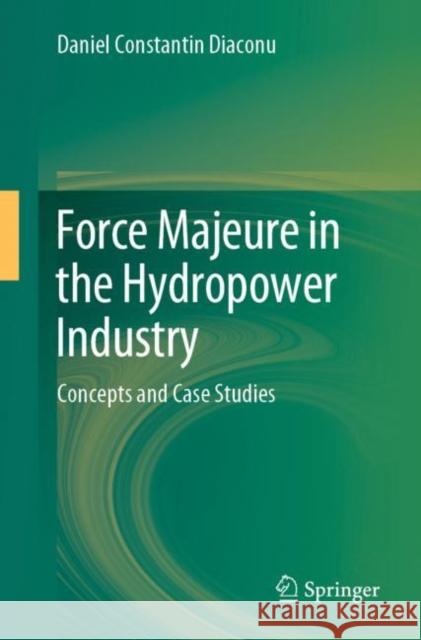
Force Majeure in the Hydropower Industry: Concepts and Case Studies Daniel Constantin Diaconu 9783031274015 Springer - książkaWidoczna okładka, to zdjęcie poglądowe, a rzeczywista szata graficzna może różnić się od prezentowanej.

Force Majeure in the Hydropower Industry: Concepts and Case Studies

ISBN-13: 9783031274015 / Angielski / Miękka / 2023 / 110 str.

Daniel Constantin Diaconu
cena 201,72 zł
(netto: 192,11 VAT:  5%)

Najniższa cena z 30 dni: 192,74 zł
Termin realizacji zamówienia:
ok. 22 dni roboczych
Bez gwarancji dostawy przed świętami

Darmowa dostawa!

This book aims to highlight the particular situation faced by certain hydropower companies by the fact that they cannot fulfil their contracts due to force majeure.  The first part of this book will be an analysis of how water is used in electricity production. It is  important to point out that all types of energy sources use water, to a different extent,  of course, and that its spatial and temporal availability is very important. The focus  will be on hydropower, presenting the current situation at the global level, and the effect of reducing the amounts of water in the river system.The second part is based on the presentation of the concept of force majeure and the  ways of presenting and drafting it in a contract. Many disputes or the success of a  contract depended heavily on the provisions of this article of the contract. Obviously,  there are also situations in which the signatory parties abuse or are not protected  by these provisions of force majeure. Starting from a few brief examples from the  international level, we reach a wide discussion of the situation created in Romania,  when the largest supplier of electricity produced on the basis of water terminates  several contracts invoking force majeure. The manner in which the opinion of the  parties involved is presented to the court is analyzed and presented in detail.

This book aims to highlight the particular situation faced by certain hydropower companies by the fact that they cannot fulfil their contracts due to force majeure.  The first part of this book will be an analysis of how water is used in electricity production. It is  important to point out that all types of energy sources use water, to a different extent,  of course, and that its spatial and temporal availability is very important. The focus  will be on hydropower, presenting the current situation at the global level, and the effect of reducing the amounts of water in the river system.

The second part is based on the presentation of the concept of force majeure and the  ways of presenting and drafting it in a contract. Many disputes or the success of a  contract depended heavily on the provisions of this article of the contract. Obviously,  there are also situations in which the signatory parties abuse or are not protected  by these provisions of force majeure. Starting from a few brief examples from the  international level, we reach a wide discussion of the situation created in Romania,  when the largest supplier of electricity produced on the basis of water terminates  several contracts invoking force majeure. The manner in which the opinion of the  parties involved is presented to the court is analyzed and presented in detail.

Kategorie:
Nauka, Archeologia
Kategorie BISAC:
Science > Earth Sciences - Hydrology
Technology & Engineering > Power Resources - Alternative & Renewable
Law > Civil Law
Wydawca:
Springer
Seria wydawnicza:
Springerbriefs in Water Science and Technology
Język:
Angielski
ISBN-13:
9783031274015
Rok wydania:
2023
Wydanie:
2023
Numer serii:
000471009
Ilość stron:
110
Oprawa:
Miękka
Wolumenów:
01
Dodatkowe informacje:
Wydanie ilustrowane

Chapter 1 Introduction

            References

Chapter 2 Water for energy versus energy for water

2.1 Water for energy

2.1.1 Electricity generated by nuclear units

2.1.2 Water consumption in coal-fired power

2.1.3 Water impacts of modern bioenergy

2.1.4 Photovoltaic installations (solar plants)

2.2 Energy for water

2.2.1 Pumped-Storage Power Plants

2.2.2 Energy for water purification

2.2.3 Energy consumed for water used by the end user

            2.3 The economic relationship between water and energy

            References

Chapter 3. Energy sectors that use water

            3.1 Water sampling for energy production

            3.2 Related policy documents

            References

Chapter 4. The context of the development of the World hydropower sector

            4.1 Values of the hydropower capacities installed in the World

4.2 Hydropower, renewable energy?

References

Chapter 5. The impact of drought on the hydropower domain

            5.1 Minimum run-off phases

5.2 Minimum run-off indices

            5.2.1 Basic indices of the minimum run-off

5.3 Hydrological drought indices

            5.3.1 Standardized flow rate Index (SFI)

            5.3.2 Standardized groundwater level index (SGI)

            5.3.3 Standardized run-off Index (SRI)

            5.3.4 Minimum run-off indices for drought fault finding

5.4 Statistical methods and approaches for assessing the minimum run-off

References

Chapter 6. Force majeure

6.1 Understanding the concept of force majeure

            6.1.1 What is a force majeure clause?

6.1.2 Anticipate and specify force majeure events

6.1.3 Avoid restrictive terminology

6.1.4 Consider the drop in performance due to force majeure

6.1.5 Is COVID-19, for example, a force majeure event?

6.1.6 Certificates of force majeure

6.1.7 Other options: Impossibility/impracticability and purpose frustration

6.2 Force Majeure Vs. Pacta sunt Servanda

6.3 Force majeure under Electricity Laws

6.4 The drafting of an effective force majeure clause

6.5 Force majeure in practice

6.6 Invoking force majeure in a crisis situation

References

Chapter 7. Sample contractual provisions, which must be contained in a force majeure contract

            7.1 Introduction

7.2 Article 13: Force Majeure

References

Chapter 8. Concrete cases of invocation of force majeure

8.1 Private power producer disputes B.C. Hydro's cancellation of $ 20 million in purchases

8.2 Destruction of a dam in Laos

8.3 Oroville Dam

8.4 Vajont Dam

References

Chapter 9. Romania, in a European energy context

9.1 Energy market history

9.2 Hidroelectrica Corporation company, Romania

9.3 The “force majeure” mentioned in contracts concluded by Hidroelectrica Corporation

References

Chapter 10. Settlement of the dispute, in case the force majeure clause is invoked by Hidroelectrica SA

                10.1 Objectives proposed by the objectors

                10.2 Questions put forward by Hidroelectrica Corporation

                10.3 Post factum

References

Chapter 11. Electricity, systemic crises and environmental policies

11.1 Today's energy challenges

11.2 The effects of crises on electricity generation

11.2.1 Social and political crises

11.2.2 Health crisis

11.3 Discussions

11.4 Conclusions

References

Daniel Constantin Diaconu is an Assistant Professor of the Faculty of Geography, University of Bucharest.  He holds a Master degree in water resources and obtained a PhD in Geography.

This book aims to highlight the particular situation faced by certain hydropower companies by the fact that they cannot fulfil their contracts due to force majeure.  The first part of this book will be an analysis of how water is used in electricity production. It is  important to point out that all types of energy sources use water, to a different extent,  of course, and that its spatial and temporal availability is very important. The focus  will be on hydropower, presenting the current situation at the global level, and the effect of reducing the amounts of water in the river system.

The second part is based on the presentation of the concept of force majeure and the  ways of presenting and drafting it in a contract. Many disputes or the success of a  contract depended heavily on the provisions of this article of the contract. Obviously,  there are also situations in which the signatory parties abuse or are not protected  by these provisions of force majeure. Starting from a few brief examples from the  international level, we reach a wide discussion of the situation created in Romania, when the largest supplier of electricity produced on the basis of water terminates  several contracts invoking force majeure. The manner in which the opinion of the parties involved is presented to the court is analyzed and presented in detail.




Udostępnij

Facebook - konto krainaksiazek.pl


Opinie o Krainaksiazek.pl na Opineo.pl

Partner Mybenefit

Krainaksiazek.pl w programie rzetelna firma Krainaksiaze.pl - płatności przez paypal

Czytaj nas na:

Facebook - krainaksiazek.pl
  • książki na zamówienie
  • granty
  • książka na prezent
  • kontakt
  • pomoc
  • opinie
  • regulamin
  • polityka prywatności

Zobacz:

  • Księgarnia czeska

  • Wydawnictwo Książkowe Klimaty

1997-2025 DolnySlask.com Agencja Internetowa

© 1997-2022 krainaksiazek.pl
     
KONTAKT | REGULAMIN | POLITYKA PRYWATNOŚCI | USTAWIENIA PRYWATNOŚCI
Zobacz: Księgarnia Czeska | Wydawnictwo Książkowe Klimaty | Mapa strony | Lista autorów
KrainaKsiazek.PL - Księgarnia Internetowa

Polityka prywatnosci - link
Krainaksiazek.pl - płatnośc Przelewy24
Przechowalnia Przechowalnia




