Digitalization and Social Change » książka





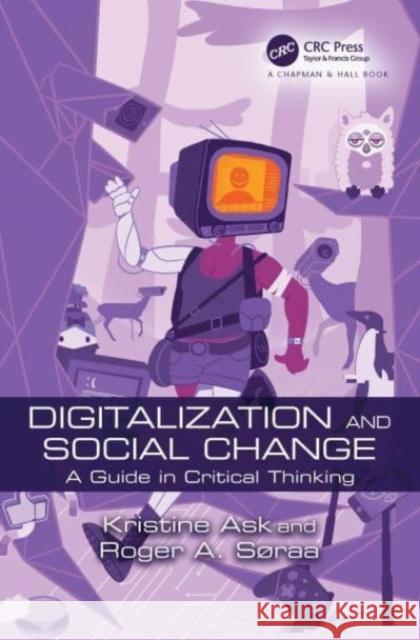
Digitalization and Social Change
ISBN-13: 9781032258911 / Angielski / Miękka / 2023 / 304 str.
Digitalization and Social Change
ISBN-13: 9781032258911 / Angielski / Miękka / 2023 / 304 str.
(netto: 213,28 VAT: 5%)
Najniższa cena z 30 dni: 203,14
ok. 16-18 dni roboczych.
Darmowa dostawa!
Digitalization is shaping our everyday lives yet navigating its processes can feel like a trek into the unknown, where both the possibilities and the consequences of digitalization are unclear and difficult to grasp.
Wydanie ilustrowane
Preface
Section 1
Chapter 1: Getting lost in a the digital
1.1 Limited or liberated by ubiquitous digital technology?
1.2 It Could Be Otherwise (ICBO) – the foundation of critical thinking
1.3 Opening the black box
1.4 A response to political and corporate solutionism
1.5 Digitalization as a topic for Science and Technology Studies (STS)
1.6 A critical sociotechnical perspective
1.7 The structure of the book
1.8 Conclusion
References
Chapter 2: What is "digitalization," exactly?
2.1 Digitalization as technological fix
2.2 Defining digitalization
2.3 Defining digitalization as a political act in itself
2.4 A digitalized world
2.5 Digitalization as a sociotechnical process
2.6 Conclusion
References
Section 2
Chapter 3: A sociotechnical perspective on digitalization
3.1 What is a sociotechnical perspective on digitalization?
3.2 What do we mean by "technology"?
3.3 Technologies and their agency
3.4 Why technological determinism is a dead end
3.5 Technological reductionism
3.6 How social determinism is equally problematic
3.7 Conclusion
References
Chapter 4: Domestication: User perspectives on technology
4.1 A user perspective on technology
4.2 Domestication theory
4.3 The dimensional model of domestication
4.4 The history of domestication
4.5 Strengths and weaknesses of domestication theory
4.6 Re-domestication and dis-domestication
4.7 What non-users can teach us about the use of technology
4.8 Normativity and use
4.9 Conclusion
References
Chapter 5: Script: Technology’s manual for use
5.1 Script as technology’s manual
5.2 The historical and theoretical position of script theory
5.3 How do you do a script analysis?
5.4 Making scripts through technology development
5.5 Conclusion
References
Chapter 6: Technologies as normality machines
6.1 A thought experiment on a student app
6.2 Technology as inclusion or exclusion?
6.3 Scripting the use and users to create differences
6.4 The digital divide
6.5 Conclusion
References
Chapter 7: Digital technologies in the past and present
7.1 Becoming a communication society
7.2 What comes after the communication society?
7.3 Digitalization and some sample diagnoses of the times
7.4 Conclusion
References
Section 3
Chapter 8: Digitalization of health: Networks of care and technology
8.1 In search of good health: Robots to the rescue?
8.2 Digital technology for better health?
8.3 Talking flowerpots: Welfare technology in the home
8.4 Exergames: Gamifying health
8.5 Support groups in social media: Communities for mental health
8.6 Digitalization makes the actor network of health visible
8.7 Conclusion
References
Chapter 9: Digitalization of work: Automation, responsibility, and reskilling
9.1 Two visions of future work
9.2 From animal laborans to homo faber
9.3 Automating workers?
9.4 Who operates self-service checkouts?
9.5 The digital stopwatch and the attempt to automate care work
9.6 Craftspeople at construction sites working with robots
9.7 What will we do in the future—and how will we do it?
9.8 Conclusion
References
Chapter 10: Digitalization of control: Surveillance, automation, and algorithms
10.1 Control through surveillance and digital tracking
10.2 Control of animals using virtual fences
10.3 Care, technology, and the desire for boundaries when surveilling children
10.4 Predictive police algorithms: Surveillance of data sets and predictions of the future
10.5 Life in a surveillance society: What digitalization does to surveillance
10.6 Conclusion
References
Chapter 11: Digitalization of culture: Remix, community, and prosumers
11.1 SKAM and transmedia storytelling
11.2 Remix culture as the foundation of digital culture
11.3 Understanding where remix culture comes from: Participatory culture and networked publics
11.4 Memes: Collective creativity, both serious and humorous
11.5 Fan fiction: When fans take ownership of the story
11.6 Twitch.tv and livestreaming games: How innovative gamers made one of the world’s biggest platforms
11.7 Discussion: Prosumers’ new cultural expressions
11.8 Conclusion
References
Chapter 12: Digitalization of the self: Selfies, influencers and the quantified self
12.1 Picture perfect? What "Instagram vs. reality" can teach us about being fakeness and authenticity online
12.2 From anonymity to persistent identities on the internet
12.3 Frontstage, backstage, and the cyborg’s theater
12.4 Selfies: The cyborg’s self-portrait?
12.5 Influencers: The professionalized digital self
12.6 The quantified self: Believing in a countable and optimized self
12.7 Discussion: The cyborg’s expanded toolbox
12.8 Conclusion
References
Section 4
Chapter 13: Digitalization summarized
13.1 Part 1: A critical perspective on digitalization
13.2 Part 2: Theoretical Tools
13.3 Part 3: Empirical case studies
13.4 Digitalization as social change
13.5 A user perspective on digitalization
13.6 Critical thinking about digitalization
Chapter 14: Analytical cheat sheet: A guide for thinking critically about digitalization
14.1 Interpretative flexibility
14.2 Delegation
14.3 Actor-network
14.4 Script
14.5 Domestication
Chapter 15: Methods cheat sheet: How to study digitalization
15.1 Research question: What are you going to find out?
15.2 Choosing method: How are you going to find it?
15.3 Tips for getting good data
15.4 From data to analysis
Kristine Ask is an Associate Professor at the Department of Interdisciplinary Studies of Culture (KULT) in Studies of Technology and Society (STS). Her research explores how user and user-communities appropriate new technologies with a special interest in games, social media and memes.
Roger A. Søraa is an Associate professor at the Department of Interdisciplinary Studies of Culture (KULT) in Studies of Technology and Society (STS). His research focus is on automation, robotization, and the digitalization of society – how humans and technology relate to each other. Dr. Søraa is especially interested in the social domestication of technology and how different groups are impacted by technology.




Czytaj nas na:
1997-2026 DolnySlask.com Agencja Internetowa
KrainaKsiazek.PL - Księgarnia Internetowa


