• Wyszukiwanie zaawansowane
  • Kategorie
  • Kategorie BISAC
  • Książki na zamówienie
  • Promocje
  • Granty
  • Książka na prezent
  • Opinie
  • Pomoc
  • Załóż konto
  • Zaloguj się

Concepts and Techniques in Genomics and Proteomics » książka

zaloguj się | załóż konto
Logo Krainaksiazek.pl

koszyk

konto

szukaj
topmenu
Księgarnia internetowa
Szukaj
Książki na zamówienie
Promocje
Granty
Książka na prezent
Moje konto
Pomoc
 
 
Wyszukiwanie zaawansowane
Pusty koszyk
Bezpłatna dostawa dla zamówień powyżej 20 złBezpłatna dostawa dla zamówień powyżej 20 zł

Kategorie główne

• Nauka
 [2944077]
• Literatura piękna
 [1814251]

  więcej...
• Turystyka
 [70679]
• Informatyka
 [151074]
• Komiksy
 [35590]
• Encyklopedie
 [23169]
• Dziecięca
 [611005]
• Hobby
 [136031]
• AudioBooki
 [1718]
• Literatura faktu
 [225599]
• Muzyka CD
 [379]
• Słowniki
 [2916]
• Inne
 [443741]
• Kalendarze
 [1187]
• Podręczniki
 [166463]
• Poradniki
 [469211]
• Religia
 [506887]
• Czasopisma
 [481]
• Sport
 [61343]
• Sztuka
 [242115]
• CD, DVD, Video
 [3348]
• Technologie
 [219293]
• Zdrowie
 [98602]
• Książkowe Klimaty
 [124]
• Zabawki
 [2385]
• Puzzle, gry
 [3504]
• Literatura w języku ukraińskim
 [260]
• Art. papiernicze i szkolne
 [7151]
Kategorie szczegółowe BISAC

Concepts and Techniques in Genomics and Proteomics

ISBN-13: 9780081017302 / Angielski / Miękka / 2016 / 268 str.
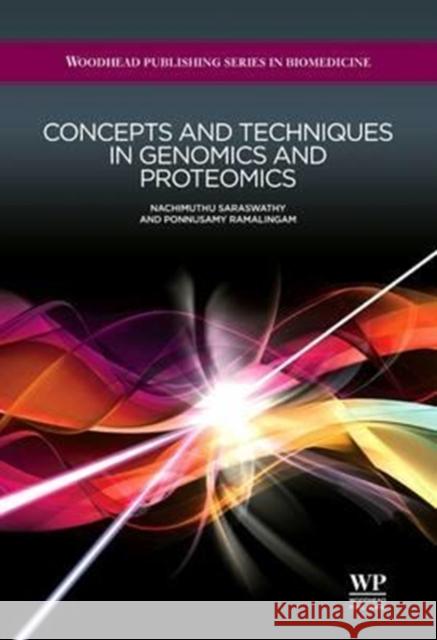
N. Saraswathy; P. Ramalingam
Concepts and Techniques in Genomics and Proteomics N. Saraswathy P. Ramalingam 9780081017302 Woodhead Publishing - książkaWidoczna okładka, to zdjęcie poglądowe, a rzeczywista szata graficzna może różnić się od prezentowanej.

Concepts and Techniques in Genomics and Proteomics

ISBN-13: 9780081017302 / Angielski / Miękka / 2016 / 268 str.

N. Saraswathy; P. Ramalingam
cena 377,13
(netto: 359,17 VAT:  5%)

Najniższa cena z 30 dni: 372,52
Termin realizacji zamówienia:
ok. 30 dni roboczych.

Darmowa dostawa!

Concepts and techniques in genomics and proteomics covers the important concepts of high-throughput modern techniques used in the genomics and proteomics field. Each technique is explained with its underlying concepts, and simple line diagrams and flow charts are included to aid understanding and memory. A summary of key points precedes each chapter within the book, followed by detailed description in the subsections. Each subsection concludes with suggested relevant original references.

  • Provides definitions for key concepts
  • Case studies are included to illustrate ideas
  • Important points to remember are noted

Kategorie:
Inne
Kategorie BISAC:
Science > Biochemia
Science > Life Sciences - Genetics & Genomics
Medical > Biotechnology
Wydawca:
Woodhead Publishing
Język:
Angielski
ISBN-13:
9780081017302
Rok wydania:
2016
Ilość stron:
268
Waga:
0.38 kg
Wymiary:
23.39 x 15.6 x 1.45
Oprawa:
Miękka
Wolumenów:
01
Dodatkowe informacje:
Glosariusz/słownik

List of figures

List of tables

Preface

Acknowledgements

List of abbreviations

About the authors

Chapter 1: Introduction to genes and genomes

Abstract:

1.1 Introduction

1.2 The cell

1.3 Mendel's contributions

1.4 The chromosomal theory of inheritance

1.5 The chemical nature of genetic material

1.6 Composition and structure of DNA

1.7 The central dogma of life

1.8 Genomes of prokaryotes and eukaryotes

1.9 The molecular structure of the gene

1.10 Conclusion

Review questions and answers

Web addresses

Chapter 2: The human genome project

Abstract:

2.1 The history of the HGP

2.2 The budget for the HGP

2.3 Goals of the HGP

2.4 Laboratories and investigators involved in the HGP

2.5 The Human Genome Organization (HUGO)

2.6 Salient findings of the HGP

2.7 Potential applications of the HGP

2.8 Post-HGP challenges

2.9 Ethical, legal, social issues (ELSI) related to the HGP

2.10 The international HapMap Project

Review questions and answers

Web addresses

Chapter 3: Genomes of model organisms

Abstract:

3.1 Introduction

3.2 The viral genome

3.3 Bacterial genomes

3.4 Fungal genomes

3.5 Worm genome: Caenorhabditis elegans

3.6 Fruit fly: Drosophila melanogaster

3.7 Plant genome

3.8 Animal genome

3.9 The Microbial Genome Project

Chapter 4: High capacity vectors

Abstract:

4.1 Introduction

4.2 Cosmid vectors

4.3 Fosmid vectors

4.4 Bacteriophage P1 derived vector

4.5 P1 derived artificial chromosome (PAC)

4.6 Bacterial artificial chromosomes (BAC)

4.7 Yeast artificial chromosome (YAC)

Review questions and answers

Web address

Chapter 5: DNA sequencing methods

Abstract:

Key concepts

5.1 The history of DNA sequencing

5.2 Steps in DNA sequencing

5.3 Chemical degradation method of DNA sequencing

5.4 The chain termination method of DNA sequencing

5.5 Advances in DNA sequencing methods

5.6 New sequencing methods

5.7 Next generation sequencing methods

Web addresses

Chapter 6: Genome mapping

Abstract:

Key concepts

6.1 Introduction

6.2 Importance of genome mapping in the context of genome sequencing

6.3 Genetic mapping

6.4 Genetic mapping in humans

6.5 Physical mapping methods

Chapter 7: Genome sequencing methods

Abstract:

7.1 Introduction

7.2 The clone-by-clone genome sequencing method

7.3 The whole genome shotgun sequencing method

7.4 Error control in genome sequencing

Chapter 8: Genome sequence assembly and annotation

Abstract:

8.1 Introduction

8.2 Clone contig assembly

8.3 Genome assembly program

8.4 Gaps and gap closing methods

8.5 Draft and finished genome sequences

8.6 Genome annotation

8.7 Comparative genomics

Chapter 9: Functional genomics

Abstract:

Key concepts

9.1 Introduction

9.2 Northern blotting

9.3 Subtractive hybridization

9.4 Differential Display Reverse Transcription PCR (DDRT-PCR)

9.5 Representational Difference Analysis (RDA)

9.6 Serial Analysis Gene Expression (SAGE)

9.7 Microarray technology

Web addresses

Chapter 10: Introduction to proteomics

Abstract:

Key concepts

10.1 Introduction

10.2 Traditional route of protein study

10.3 Protein isolation methods

10.4 Branches of proteomics

10.5 Characteristics of proteomics

Chapter 11: Two-dimensional gel electrophoresis of proteins

Abstract:

11.1 Introduction

11.2 Principles of 2D-PAGE

11.3 2D-PAGE apparatus

11.4 Sample preparation

11.5 First-dimensional separation by isoelectric focusing

11.6 Equilibration

11.7 Second-dimensional separation by SDS-PAGE

11.8 Detection of proteins on 2D-PAGE gels

11.9 Image analysis

11.10 Application of 2D-PAGE in proteomics

Chapter 12: Mass spectrometry for proteomics

Abstract:

12.1 Introduction

12.2 History of the mass spectrometer

12.3 Mass spectrometer

12.4 Protein sample preparation for MS analysis

12.5 Applications of MS proteomics

Chapter 13: Protein Identification by Peptide Mass Fingerprinting (PMF)

Abstract:

Key concepts

13.1 Introduction

13.2 Principles of peptide mass fingerprinting

13.3 Protein preparation for PMF

13.4 Mass spectrometric analysis of peptide fragments

13.4 Data analysis and identification of protein

Web address

Chapter 14: Protein sequencing techniques

Abstract:

14.1 Introduction

14.2 Preparation of protein sample for sequencing

14.3 Steps in protein sequencing

14.4 Protein sequencing by Edman degradation

14.5 De novo protein sequencing by mass spectrometry

Review questions and answers

Chapter 15: Phosphoproteomics

Abstract:

15.1 Post-translational modifications of proteins

15.2 Phosphoproteomics

15.3 Phosphoprotein enrichment methods

15.4 Mass spectrometry for phosphoprotein identification

Review questions and answers

Chapter 16: Glycoproteomics

Abstract:

16.1 Glycoproteins

16.2 Glycoprotein enrichment methods

16.3 Mass spectrometric analysis of glycoproteins

16.4 Importance of glycoproteins in human diseases

Review questions and answers

Conclusion

Glossary

Index

Dr Nachimuthu Saraswathy is currently Associate Professor at the Department of Biotechnology, Kumaraguru College of Technology. She teaches courses on Molecular Biology, Genetic Engineering, and Plant Biotechnology, as well as Genomics and Proteomics. Dr Saraswathy gained her Ph.D. in Molecular Biology from the National Centre for Plant Biotechnology, New Delhi. She has published several articles in journals of biotechnology and biochemistry. Mr Ponnusamy Ramalingam is Associate Professor at the Department of Biotechnology, Kumaraguru College of Technology. He received his M.Sc. In Biochemistry from Gulbarga University and Mtech in Biotechnology from Anna University. He has also taught and researched in institutions such as Kongu Engineering College and PNC&KR College, and has contributed several published journal articles.


Udostępnij

Facebook - konto krainaksiazek.pl


Opinie o Krainaksiazek.pl na Opineo.pl

Partner Mybenefit

Krainaksiazek.pl w programie rzetelna firma Krainaksiaze.pl - płatności przez paypal

Czytaj nas na:

Facebook - krainaksiazek.pl
  • książki na zamówienie
  • granty
  • książka na prezent
  • kontakt
  • pomoc
  • opinie
  • regulamin
  • polityka prywatności

Zobacz:

  • Księgarnia czeska

  • Wydawnictwo Książkowe Klimaty

1997-2026 DolnySlask.com Agencja Internetowa

© 1997-2022 krainaksiazek.pl
     
KONTAKT | REGULAMIN | POLITYKA PRYWATNOŚCI | USTAWIENIA PRYWATNOŚCI
Zobacz: Księgarnia Czeska | Wydawnictwo Książkowe Klimaty | Mapa strony | Lista autorów
KrainaKsiazek.PL - Księgarnia Internetowa

Polityka prywatnosci - link
Krainaksiazek.pl - płatnośc Przelewy24
Przechowalnia Przechowalnia








