Analysis of Food Spices: Identification and Authentication » książka





Analysis of Food Spices: Identification and Authentication
ISBN-13: 9781032246840 / Angielski
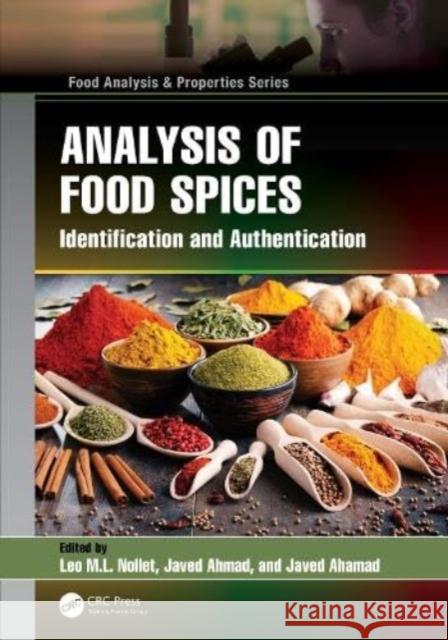
Analysis of Food Spices: Identification and Authentication
ISBN-13: 9781032246840 / Angielski
(netto: 871,72 VAT: 5%)
Najniższa cena z 30 dni: 846,63
ok. 16-18 dni roboczych.
Darmowa dostawa!
Spices are obtained from natural sources, especially from plants, and are used in cooking food in whole or grounded form mainly for imparting flavor, aroma, and piquancy to the foods. Besides their role in improving food qualities, spices also have health benefits (such as anticancer, antidiabetic, antimicrobial, antioxidant, hypolipidemic, analgesic, immunostimulant, etc.).Spices are generally marketed in powder form, and their supply chain is very long and complicated, which is why they are particularly susceptible to adulteration at many points. The spice supply chain is considered to be moderately vulnerable and an ineffective quality detection system in the final products is the main risk factor. There are many types of fraud nowadays observed related to spices, such as adulteration, falsification, substitution, and inaccurate labeling.Analysis of Food Spices: Identification and Authentication provides an overview of spices of different categories such as terpenes and terpenoids, oleoresins, alkaloids, and polyphenolics and flavonoids; and provide qualitative and quantitative guidelines for ensuring their quality and safety using modern analytical tools and techniques. The first section of the book discusses the overview, sources, and health benefits of important categories of spices such as terpenes and terpenoids (cardamom, cinnamon, clove, coriander, cumin, fennel), oleoresins (capsicum, ginger, nutmeg), alkaloids (black pepper, fenugreek), and polyphenolics and flavonoids (basil, turmeric, olive, saffron). In the second section of the book, qualitative diagnostic features of spices is covered. In the third section of the book, the role of quantitative analytical techniques such as HPLC, LC-MS, HPTLC, GC & GC-MS, capillary electrophoresis (CE), and other recent techniques in the analysis of food spices is also discussed. Each chapter concludes with a general reference section, which is a bibliographic guide to more advanced texts.Key Features:Provides a detailed overview of different food spices of plant origin, discussed their health benefits, and use of different analytical techniques in its quality control. Explain how qualitative diagnostic features of food spices are utilized as a quality control tools.Describes applicability of analytical techniques like HPLC, LC-MS, GC-MS, HPTLC, and capillary electrophoresis (CE) for quality control of food spices.Emphasize use of recent techniques such as proteomics, biosensors, etc. in the analysis/ quality control of food spices.This book will provide an important guideline for controlling quality, safety, and efficacy issues related to food spices.
Spices are obtained from natural sources, especially from plants, and are used in cooking food in whole or grounded form mainly for imparting flavor, aroma, and piquancy to the foods. Besides their role in improving food qualities, spices also have health benefits (such as anticancer, antidiabetic, antimicrobial, antioxidant, hypolipidemic, analgesic, immunostimulant, etc.).
Spices are generally marketed in powder form, and their supply chain is very long and complicated, which is why they are particularly susceptible to adulteration at many points. The spice supply chain is considered to be moderately vulnerable and an ineffective quality detection system in the final products is the main risk factor. There are many types of fraud nowadays observed related to spices, such as adulteration, falsification, substitution, and inaccurate labeling.
Analysis of Food Spices: Identification and Authentication provides an overview of spices of different categories such as terpenes and terpenoids, oleoresins, alkaloids, and polyphenolics and flavonoids; and provide qualitative and quantitative guidelines for ensuring their quality and safety using modern analytical tools and techniques. The first section of the book discusses the overview, sources, and health benefits of important categories of spices such as terpenes and terpenoids (cardamom, cinnamon, clove, coriander, cumin, fennel), oleoresins (capsicum, ginger, nutmeg), alkaloids (black pepper, fenugreek), and polyphenolics and flavonoids (basil, turmeric, olive, saffron). In the second section of the book, qualitative diagnostic features of spices is covered. In the third section of the book, the role of quantitative analytical techniques such as HPLC, LC-MS, HPTLC, GC & GC-MS, capillary electrophoresis (CE), and other recent techniques in the analysis of food spices is also discussed. Each chapter concludes with a general reference section, which is a bibliographic guide to more advanced texts.
Key Features:
- Provides a detailed overview of different food spices of plant origin, discussed their health benefits, and use of different analytical techniques in its quality control.
- Explain how qualitative diagnostic features of food spices are utilized as a quality control tools.
- Describes applicability of analytical techniques like HPLC, LC-MS, GC-MS, HPTLC, and capillary electrophoresis (CE) for quality control of food spices.
- Emphasize use of recent techniques such as proteomics, biosensors, etc. in the analysis/ quality control of food spices.
This book will provide an important guideline for controlling quality, safety, and efficacy issues related to food spices.




Czytaj nas na:
KrainaKsiazek.PL - Księgarnia Internetowa


