• Wyszukiwanie zaawansowane
  • Kategorie
  • Kategorie BISAC
  • Książki na zamówienie
  • Promocje
  • Granty
  • Książka na prezent
  • Opinie
  • Pomoc
  • Załóż konto
  • Zaloguj się

A Genetic Approach to Plant Biochemistry » książka


zaloguj się | załóż konto
Logo Krainaksiazek.pl

koszyk

konto

szukaj
topmenu
Księgarnia internetowa
Szukaj
Książki na zamówienie
Promocje
Granty
Książka na prezent
Moje konto
Pomoc
 
 
Wyszukiwanie zaawansowane
Pusty koszyk
Bezpłatna dostawa dla zamówień powyżej 20 złBezpłatna dostawa dla zamówień powyżej 20 zł

Kategorie główne

• Nauka
 [2950560]
• Literatura piękna
 [1849509]

  więcej...
• Turystyka
 [71097]
• Informatyka
 [151150]
• Komiksy
 [35848]
• Encyklopedie
 [23178]
• Dziecięca
 [617388]
• Hobby
 [139064]
• AudioBooki
 [1657]
• Literatura faktu
 [228597]
• Muzyka CD
 [383]
• Słowniki
 [2855]
• Inne
 [445295]
• Kalendarze
 [1464]
• Podręczniki
 [167547]
• Poradniki
 [480102]
• Religia
 [510749]
• Czasopisma
 [516]
• Sport
 [61293]
• Sztuka
 [243352]
• CD, DVD, Video
 [3414]
• Technologie
 [219456]
• Zdrowie
 [101002]
• Książkowe Klimaty
 [124]
• Zabawki
 [2311]
• Puzzle, gry
 [3459]
• Literatura w języku ukraińskim
 [254]
• Art. papiernicze i szkolne
 [8079]
Kategorie szczegółowe BISAC

A Genetic Approach to Plant Biochemistry

ISBN-13: 9783709174630 / Angielski / Miękka / 2011 / 296 str.
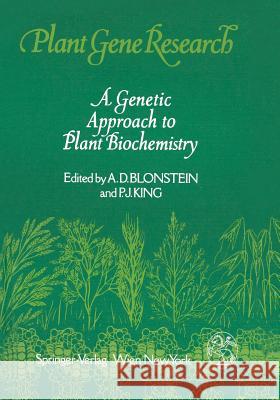
A. D. Blonstein; P. J. King
A Genetic Approach to Plant Biochemistry A. D. Blonstein P. J. King 9783709174630 Springer - książkaWidoczna okładka, to zdjęcie poglądowe, a rzeczywista szata graficzna może różnić się od prezentowanej.

A Genetic Approach to Plant Biochemistry

ISBN-13: 9783709174630 / Angielski / Miękka / 2011 / 296 str.

A. D. Blonstein; P. J. King
cena 201,24
(netto: 191,66 VAT:  5%)

Najniższa cena z 30 dni: 192,74
Termin realizacji zamówienia:
ok. 22 dni roboczych
Dostawa w 2026 r.

Darmowa dostawa!

Biologists ask how the growth, development and behaviour of organisms happen, how these processes are co-ordinated and how they are regulated by the environment. Today the questions are phrased in terms of the genes involved, their structure and the control of their expression. Mutations (recognised by a change in phenotype) label genes and can be used to study gene structure, gene function and the organisation of the genome. This is "Genetics." Study of phenotypes down to the level of the enzymes and structural proteins coded for by genes is "Biochemistry." It is self evident that only by studying phenotype ("Biochemistry") can we do "Ge- netics" and that "Genetics" (perturbation of the phenotype) is the key to understanding the "Biochemistry." There can surely be no better argu- ments for a more holistic approach to biology than the massive output of knowledge from microbial "Biochemical Genetics" and the more recent revelations from "Molecular Genetic" studies of development in Droso- phila.


Kategorie:
Nauka, Biologia i przyroda
Kategorie BISAC:
Nature > Plants - Trees
Science > Cytologia
Science > Biochemia
Wydawca:
Springer
Seria wydawnicza:
Plant Gene Research
Język:
Angielski
ISBN-13:
9783709174630
Rok wydania:
2011
Wydanie:
Softcover Repri
Numer serii:
000036284
Ilość stron:
296
Waga:
0.60 kg
Wymiary:
25.4 x 17.8
Oprawa:
Miękka
Wolumenów:
01

1 Gibberellin Mutants.- I. Introduction.- II. Selection and Identification of Mutants.- III. GA Synthesis.- IV. Internode Length.- A. Synthesis Mutants.- B. Insensitive Mutants.- V. Seed Dormancy.- VI. Flowering and Senescence.- VII. Site of Action of GA Mutants.- VIII. Conclusions.- IX. References.- 2 Genetic Aspects of Abscisic Acid.- I. Introduction.- A. Abscisic Acid as a Plant Hormone.- B. Biosynthesis and Metabolism of ABA.- C. Genetic Aspects of ABA.- II. ABA-Deficient Mutants.- A. Isolation, Genetic and General Phenotypic Characteristics.- B. Pleiotropic Effects of ABA-Deficient Mutants.- C. Biochemistry of ABA-Deficient Mutants.- D. The Use of ABA Mutants in Water Relations Research.- E. The Use of ABA Mutants in Seed Physiology.- F. ABA Deficiency in Relation to Other Physiological Effects.- III. Mutants Affecting ABA Sensitivity.- IV. Genetic Differences in ABA Accumulation.- V. Conclusions.- VI. References.- 3 Mutants as Tools for the Elucidation of Photosynthetic Processes.- I. Introduction.- II. Two Genomes Code for the Structural and Regulatory Elements of the Photosynthetic Apparatus.- III. Identification of Thylakoid Membrane Proteins and Their Functions.- IV. From Phenotype to Gene Structure.- A. Herbicide Resistance.- B. Barley.- C. Chlamydomonas.- D. Arabidopsis.- E. Oenothera.- F. Summary.- V. Conclusions.- VI. References.- 4 Maize Alcohol Dehydrogenase: A Molecular Perspective.- I. Introduction.- II. Genetics and Expression of ADH Enzymes in Maize.- A. Two Genes Encode ADH in Maize.- B. Organ Specificities of ADH 1 and ADH2 Activities.- C. Mutations of Adh Genes of Maize.- D. The Maize Anaerobic Response.- III. Isolation of Adh Genes.- A. cDNAs from Anaerobically Induced Maize Genes.- B. Isolation and Identification of Adh1 cDNA Clones.- C. Isolation and Identification of Adh2 cDNA Clones.- D. Isolation of Adh Genes from Other Plant Species.- IV. Structure of Plant Adh Genes.- V. Three-Dimensional Structure of ADH Enzymes.- VI. Genetic Change Around and Within Adh Genes of Maize.- A. Allelic Variation.- B. Somaclonal Variation.- C. Gene Duplication.- D. Ds Element Mutations in Adh1.- E. Robertson’s Mutator.- VII. Approaches to the Mechanism of Adh Gene Regulation.- A. DNA Sequence Comparisons.- B. Mutations in Adh Which Affect Expression.- VIII. In Vivo Expression of Adh.- A. Attempts at Expression in Cereal Tissue Culture Cells.- B. Testing Maize Adh Gene Activity in Dicotyledonous Plant Cells.- C. Expression of Maize Adh in Animal Cells.- IX. Conclusions.- X. References.- 5 The Molecular Genetics of Higher Plant Nitrate Assimilation.- I. Introduction.- II. The Nitrate Assimilation Pathway.- A. Nitrate Uptake.- B. Nitrate Reductase.- C. Nitrite Reductase.- III. Genetics of Nitrate Assimilation.- A. Introduction.- B. Nitrate Uptake Mutations.- C. Nitrate Reductase Mutations.- D. Nitrite Reductase Mutations.- E. Regulatory Alterations in Nitrate Assimilation.- F. Conclusions.- IV. Applied Aspects.- A. Somatic Hybridisation.- B. Cloning Nitrate Assimilation Genes.- C. Plant Gene Transfer Systems.- D. Whole Plant Studies.- V. References.- 6 Plant Genetic Approaches to Symbiotic Nodulation and Nitrogen Fixation in Legumes.- I. Introduction.- II. A General Description of Legume Nodule Ontogeny.- III. The Parasponia-Bradyrhizobium Symbiosis.- IV. Biochemical and Molecular Analysis of Plant Functions.- V. Gene-for-Gene Aspects of Nodulation.- VI. Existing Plant Variation in Symbiotic Nitrogen Fixation.- VII Existing Single Locus Variation for Nodulation-Nitrogen Fixation.- VIII. Induced Mutation in Symbiotic Characters.- A. Pea and Chickpea Mutants.- B. Soybean Nodulation Mutants.- IX. Conclusions.- X. References.- 7 Endosperm Proteins.- I. Introduction.- II. Origin and Development of the Endosperm.- III. Classification of the Major Endosperm Proteins.- IV. Biochemical Complexity and Genetic Variation of Endosperm Proteins.- V. Gene Mutations.- A. Role in Plant Breeding.- B. Role in Genetics.- C. Role in Biochemistry and Molecular Biology.- D. Role in the Food Industry.- VI. Chromosome Mutations.- VII. Conclusions.- VIII. References.- 8 Molecular Approaches to Plant and Pathogen Genes.- I. Introduction.- II. A Molecular Approach to Gene-for-Gene Resistance.- A. The Shotgun Method.- B. Transposon Mutagenesis or Gene Tagging.- III. The Role of Toxins in Plant Disease.- IV. Conclusions.- V. References.- 9 Gametophytic Gene Expression.- I. Introduction.- II. Overlap Between Sporophytic and Gametophytic Genotypes.- III. Gametophytic Gene Expression and the Angiosperms.- IV. The Influence of Haploid Genotype on Pollen Size.- V. Time of Gene Expression in Pollen.- VI. Methods of Haploid Selection.- VII. Gametophytic Gene Expression and the Style.- VIII. Gene Expression in the Megagametophyte.- IX. Conclusions.- X. References.- 10 Auxotroph Isolation In Vitro.- I. Introduction.- A. Some Preliminary Comments.- B. Why Auxotrophs?.- C. The Characteristics, Advantages and Disadvantages of In vitro Systems for Mutant Isolation.- D. Species Suitable for Auxotroph Isolation.- II. Mutagenesis.- III. Methods of Selection.- A. Conditions and Media.- B. Positive Selection.- C. Negative Selection.- IV. Phenotypes.- A. Amino-Acid, Vitamin and Purine Auxotrophs.- B. Nitrate Reductase Mutants.- C. Temperature-Sensitive Mutations.- V. Fusion and Transformation.- VI. Conclusions and Future Prospects.- VII. References.

King, P. J. P J King was brought up in the country on a small ... więcej >


Udostępnij

Facebook - konto krainaksiazek.pl


Opinie o Krainaksiazek.pl na Opineo.pl

Partner Mybenefit

Krainaksiazek.pl w programie rzetelna firma Krainaksiaze.pl - płatności przez paypal

Czytaj nas na:

Facebook - krainaksiazek.pl
  • książki na zamówienie
  • granty
  • książka na prezent
  • kontakt
  • pomoc
  • opinie
  • regulamin
  • polityka prywatności

Zobacz:

  • Księgarnia czeska

  • Wydawnictwo Książkowe Klimaty

1997-2025 DolnySlask.com Agencja Internetowa

© 1997-2022 krainaksiazek.pl
     
KONTAKT | REGULAMIN | POLITYKA PRYWATNOŚCI | USTAWIENIA PRYWATNOŚCI
Zobacz: Księgarnia Czeska | Wydawnictwo Książkowe Klimaty | Mapa strony | Lista autorów
KrainaKsiazek.PL - Księgarnia Internetowa

Polityka prywatnosci - link
Krainaksiazek.pl - płatnośc Przelewy24
Przechowalnia Przechowalnia





