• Wyszukiwanie zaawansowane
  • Kategorie
  • Kategorie BISAC
  • Książki na zamówienie
  • Promocje
  • Granty
  • Książka na prezent
  • Opinie
  • Pomoc
  • Załóż konto
  • Zaloguj się

A Complete Course in Canning and Related Processes » książka


zaloguj się | załóż konto
Logo Krainaksiazek.pl

koszyk

konto

szukaj
topmenu
Księgarnia internetowa
Szukaj
Książki na zamówienie
Promocje
Granty
Książka na prezent
Moje konto
Pomoc
 
 
Wyszukiwanie zaawansowane
Pusty koszyk
Bezpłatna dostawa dla zamówień powyżej 20 złBezpłatna dostawa dla zamówień powyżej 20 zł

Kategorie główne

• Nauka
 [2946912]
• Literatura piękna
 [1852311]

  więcej...
• Turystyka
 [71421]
• Informatyka
 [150889]
• Komiksy
 [35717]
• Encyklopedie
 [23177]
• Dziecięca
 [617324]
• Hobby
 [138808]
• AudioBooki
 [1671]
• Literatura faktu
 [228371]
• Muzyka CD
 [400]
• Słowniki
 [2841]
• Inne
 [445428]
• Kalendarze
 [1545]
• Podręczniki
 [166819]
• Poradniki
 [480180]
• Religia
 [510412]
• Czasopisma
 [525]
• Sport
 [61271]
• Sztuka
 [242929]
• CD, DVD, Video
 [3371]
• Technologie
 [219258]
• Zdrowie
 [100961]
• Książkowe Klimaty
 [124]
• Zabawki
 [2341]
• Puzzle, gry
 [3766]
• Literatura w języku ukraińskim
 [255]
• Art. papiernicze i szkolne
 [7810]
Kategorie szczegółowe BISAC

A Complete Course in Canning and Related Processes

ISBN-13: 9780857096784 / Angielski / Twarda / 2014 / 400 str.
Featherstone, Susan
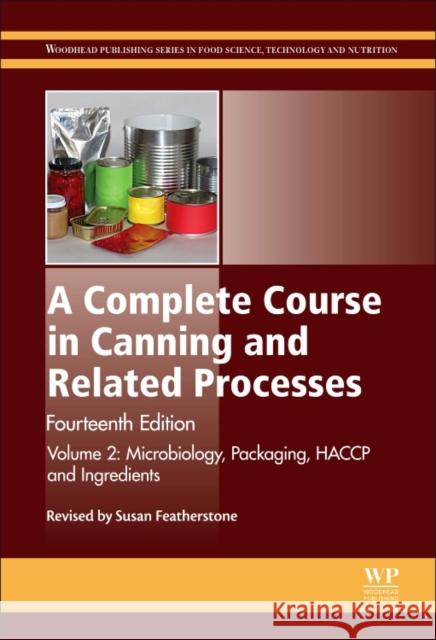
A Complete Course in Canning and Related Processes Featherstone, Susan   9780857096784 Elsevier Science - książkaWidoczna okładka, to zdjęcie poglądowe, a rzeczywista szata graficzna może różnić się od prezentowanej.

A Complete Course in Canning and Related Processes

ISBN-13: 9780857096784 / Angielski / Twarda / 2014 / 400 str.

Featherstone, Susan
cena 790,20
(netto: 752,57 VAT:  5%)

Najniższa cena z 30 dni: 786,94
Termin realizacji zamówienia:
ok. 30 dni roboczych
Bez gwarancji dostawy przed świętami

Darmowa dostawa!

A Complete Course in Canning is firmly established as a unique and essential guide to canning and related processes. Professionals in the canning industry and students have benefited from successive editions of the book for over 100 years. This major new edition continues that reputation, with extensively revised and expanded coverage. The three-title set is designed to cover all planning, processing, storage and quality control phases undertaken by the canning industry in a detailed, yet accessible fashion. Major changes for the new edition include new chapters on regulation and labelling that contrast the situation in different regions worldwide, updated information on containers for canned foods and new information on validation and optimization of canning processes, among many others.


Kategorie:
Inne
Kategorie BISAC:
Technology & Engineering > Food Science - General
Wydawca:
Elsevier Science
Język:
Angielski
ISBN-13:
9780857096784
Rok wydania:
2014
Ilość stron:
400
Oprawa:
Twarda
Dodatkowe informacje:
Glosariusz/słownik

  • Related titles
  • Woodhead Publishing Series in Food Science, Technology and Nutrition
  • Preface
  • Introduction
  • Part One. Microbiological hazards and process control
    • 1. Microbiology of canned foods
      • 1.1. Introduction
      • 1.2. Key micro-organisms in food microbiology
      • 1.3. Controlling the growth of micro-organisms
      • 1.4. Important fungi in the food industry
      • 1.5. Important bacteria in the food industry
      • 1.6. Botulism
    • 2. Spoilage of canned foods
      • 2.1. Introduction
      • 2.2. Types of spoilage of canned foods
      • 2.3. Sources of contamination
      • 2.4. Spoilage of canned vegetables
      • 2.5. Microbiological standards for ingredients
    • 3. Heat penetration determinations and thermal process calculations
      • 3.1. Introduction
      • 3.2. pH classification of canned foods
      • 3.3. Thermal death time
      • 3.4. HTST processing
      • 3.5. Inoculated pack studies
      • 3.6. HP determinations
      • 3.7. Process establishment methods
      • 3.8. Process calculation methods
      • 3.9. Some causes of unreliable heat penetration data
      • 3.10. HTST: a special type of heat penetration test
      • 3.11. Summary
    • 4. Optimising retort operations for canned goods
      • 4.1. Introduction
      • 4.2. Optimising the thermal process to reduce overprocessing
      • 4.3. Changing the processing regime from low-acid sterilisation to pasteurisation
      • 4.4. New thermal technologies
      • 4.5. Converting batch processes to continuous processing
      • 4.6. Summary
  • Part Two. Containers and ingredients
    • 5. Metal containers for canned foods
      • 5.1. Introduction
      • 5.2. Types of cans
      • 5.3. Can manufacture
      • 5.4. Can lacquers
      • 5.5. Tinplate can corrosion
      • 5.6. Corrosion attributable to canning practices
      • 5.7. Corrosion attributable to storage conditions
      • 5.8. Can seam inspection
      • 5.9. Storage and shipping of cans
      • 5.10. Aluminium cans
      • 5.11. Conclusion
    • 6. Glass and plastic containers for canned foods
      • 6.1. Introduction
      • 6.2. Vacuum closures for glass - general characteristics
      • 6.3. Factors effecting vacuum formation
      • 6.4. 'Cold-water vacuum check' method
      • 6.5. Vacuum closure application for glass containers
      • 6.6. Auxiliary equipment
      • 6.7. Closures for glass containers
      • 6.8. Vacuum sealing
      • 6.9. Coding
      • 6.10. Processing glass containers
      • 6.11. Packaging of food in plastic containers
      • 6.12. Food contact and migration
      • 6.13. Choice of plastic container
      • 6.14. Sealing techniques
      • 6.15. Warehousing and transportation
      • 6.16. Plastic package recycle potential
      • 6.17. Conclusion
    • 7. Retortable flexible containers for food packaging
      • 7.1. Introduction
      • 7.2. Structure of flexible containers
      • 7.3. Retort pouch manufacture
      • 7.4. Quality assurance in retort pouch manufacture
      • 7.5. Filling
      • 7.6. Sealing
      • 7.7. Processing/sterilization
      • 7.8. Quality control tests for pouch laminate, pouch, and semirigid containers
      • 7.9. Advantages of using retortable flexible containers
      • 7.10. The disadvantages of flexible containers
    • 8. Ingredients used in the preparation of canned foods
      • 8.1. Introduction
      • 8.2. Food additives
      • 8.3. Salt, salt tablets, and combination tablets in canning
      • 8.4. Carbohydrates in canning and preserving
      • 8.5. Spices, essential oils, and oleoresins
      • 8.5.2. Essential oils and oleoresins
      • 8.6. Textured vegetable proteins
      • 8.7. Monosodium glutamate
      • 8.8. Water-soluble gums (hydrocolloids)
      • 8.9. Emulsifiers (surfactants)
      • 8.10. Colour additives
      • 8.11. Preservatives
      • 8.12. Acidulants
      • 8.13. Firming agents
      • 8.14. Alternative sweeteners and fat replacers
  • Part Three. Safety and quality
    • 9. Hazard analysis and critical control point (HACCP) systems in food canning
      • 9.1. Introduction
      • 9.2. The NACMCF summary of the HACCP system
      • Appendix A. Examples of questions to be considered in a hazard analysis
      • Appendix B (N.B. Appendix B was extracted from Committee's November 1989 HACCP document.)
      • Appendix C
      • Appendix D. Examples of HACCP records
      • Appendix E. Examples of verification activities
    • 10. In-plant quality control in food canning operations
      • 10.1. Introduction
      • 10.2. Quality control department
      • 10.3. Control of factory operations
      • 10.4. Examination of line samples
      • 10.5. Examination of water
      • 10.6. Testing canned foods
      • 10.7. Purchasing raw products for canning
      • 10.8. The past and future of quality control
    • 11. Dealing with consumer complaints and market recalls in food canning
      • 11.1. Introduction
      • 11.2. Recording complaints
      • 11.3. Responding to complaints
      • 11.4. Product tampering
      • 11.5. Traceability
      • 11.6. Product recalls
      • 11.7. Sample forms
  • Appendix
  • Glossary
  • Index

Susan Featherstone is Manager of the Food and Beverage Technology Lab at Nampak R&D


Udostępnij

Facebook - konto krainaksiazek.pl


Opinie o Krainaksiazek.pl na Opineo.pl

Partner Mybenefit

Krainaksiazek.pl w programie rzetelna firma Krainaksiaze.pl - płatności przez paypal

Czytaj nas na:

Facebook - krainaksiazek.pl
  • książki na zamówienie
  • granty
  • książka na prezent
  • kontakt
  • pomoc
  • opinie
  • regulamin
  • polityka prywatności

Zobacz:

  • Księgarnia czeska

  • Wydawnictwo Książkowe Klimaty

1997-2025 DolnySlask.com Agencja Internetowa

© 1997-2022 krainaksiazek.pl
     
KONTAKT | REGULAMIN | POLITYKA PRYWATNOŚCI | USTAWIENIA PRYWATNOŚCI
Zobacz: Księgarnia Czeska | Wydawnictwo Książkowe Klimaty | Mapa strony | Lista autorów
KrainaKsiazek.PL - Księgarnia Internetowa

Polityka prywatnosci - link
Krainaksiazek.pl - płatnośc Przelewy24
Przechowalnia Przechowalnia





