Virtue and Meaning: A Neo-Aristotelian Perspective » książka

topmenu




Virtue and Meaning: A Neo-Aristotelian Perspective
ISBN-13: 9781108745192 / Angielski / Miękka / 2021 / 231 str.
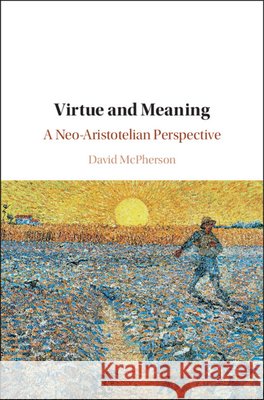
Virtue and Meaning: A Neo-Aristotelian Perspective
ISBN-13: 9781108745192 / Angielski / Miękka / 2021 / 231 str.
cena 155,99
(netto: 148,56 VAT: 5%)
Najniższa cena z 30 dni: 125,88
(netto: 148,56 VAT: 5%)
Najniższa cena z 30 dni: 125,88
Termin realizacji zamówienia:
ok. 16-18 dni roboczych.
ok. 16-18 dni roboczych.
Darmowa dostawa!
Argues that any adequate neo-Aristotelian virtue ethic must account for our distinctive nature as the meaning-seeking animal.




Czytaj nas na:
Zobacz: Księgarnia Czeska | Wydawnictwo Książkowe Klimaty | Mapa strony | Lista autorów
KrainaKsiazek.PL - Księgarnia Internetowa

KrainaKsiazek.PL - Księgarnia Internetowa

