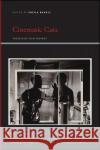
Editing has been called the language of cinema, and thus a film's ending can be considered the final punctuation mark of this language, framing everything that came before and offering the key to both our interpretation and our enjoyment of a film. In Cinematic Cuts, scholars explore the philosophical, literary, and psychoanalytic significance of film endings, analyzing how film endings engage our fantasies of cheating death, finding true love, or determining the meaning of life. They examine how endings offer various forms of enjoyment for the spectator, from the momentary fulfillment...
Editing has been called the language of cinema, and thus a film's ending can be considered the final punctuation mark of this language, framing everyt...
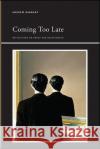
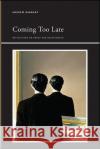
Aiming to reconceptualize some of Freud's earliest psychoanalytic thinking, Andrew Barnaby's Coming Too Late argues that what Freud understood as the fundamental psychoanalytic relationship--a son's ambivalent relationship to his father--is governed not by the sexual rivalry of the Oedipus complex but by the existential predicament of belatedness. Analyzing the rhetorical tensions of Freud's writing, Barnaby shows that filial ambivalence derives particularly from the son's vexed relation to a paternal origin he can never claim as his own. Barnaby also demonstrates how Freud at once...
Aiming to reconceptualize some of Freud's earliest psychoanalytic thinking, Andrew Barnaby's Coming Too Late argues that what Freud understood ...