During the postwar period of 1948 56, over 400,000 Jews from the Middle East and Asia immigrated to the newly established state of Israel. By the end of the 1950s, Mizrahim, also known as Oriental Jewry, represented the ethnic majority of the Israeli Jewish population. Despite their large numbers, Mizrahim were considered outsiders because of their non-European origins. Viewed as foreigners who came from culturally backward and distant lands, they suffered decades of socioeconomic, political, and educational injustices. In this pioneering work, Roby traces the Mizrahi population s...
During the postwar period of 1948 56, over 400,000 Jews from the Middle East and Asia immigrated to the newly established state of Israel. By the e...
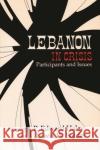
This book will serve as a guide for those who wish to understand the Lebanese conflict-expert and general reader alike-and for those, as well, who would work to bring peace to that tormented land. From Palestinian, Syrian, and Israeli intervention to delicate inter-Arab relations, the Arab-Israeli conflict, and superpower involvement, sixteen experts analyze the motives and actions of the men and groups engaged in the bloody Lebanese hostilities. Tables, notes, and index included.
This book will serve as a guide for those who wish to understand the Lebanese conflict-expert and general reader alike-and for those, as well, who wou...
During the decade that preceded Syria's 2011 uprising and descent into violence, the country was in the midst of another crisis: the mass arrival of Iraqi migrants and a flood of humanitarian aid to handle the refugee emergency. International aid organizations, the media, and diplomats alike praised the Syrian government for keeping open borders and providing a safe haven for Iraqis fleeing the violence in Baghdad and Iraq's southern provinces. Only a few analysts looked beneath the surface to understand how the apparent generosity toward refugees squared with the ruthless oppression that...
During the decade that preceded Syria's 2011 uprising and descent into violence, the country was in the midst of another crisis: the mass arrival o...
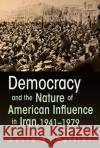
Collier presents a timely and fresh reexamination of one of the most important bilateral relationships of the last century. He delves deeply into the American desire to promote democracy in Iran from the 1940s through the early 1960s and examines the myriad factors that contributed to their success in exerting a powerful influence on Iranian politics. By creating a framework to understand the efficacy of external pressure, Collier explains how the United States later relinquished this control during the 1960s and 1970s. During this time, the shah emerged as a dominant and effective...
Collier presents a timely and fresh reexamination of one of the most important bilateral relationships of the last century. He delves deeply into t...